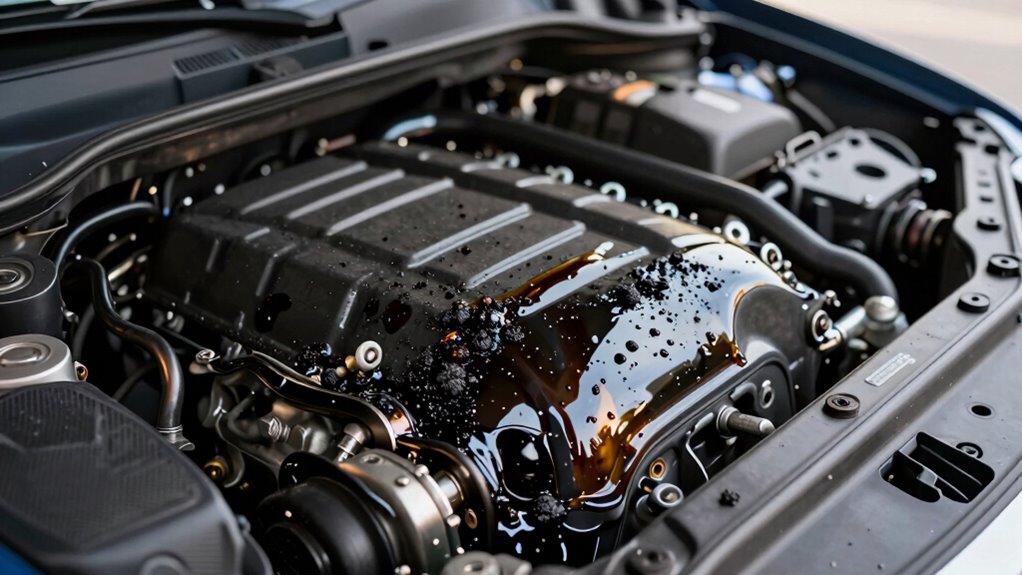

Modern diesel engines contaminate oil faster because they have advanced emissions systems like DPFs and SCRs that produce high temperatures and soot during operation. Tighter engine tolerances also make them more sensitive to contaminants, leading to quicker oil breakdown. Poor driving patterns, like short trips or stop-and-go traffic, further accelerate contamination. To stay ahead, it’s helpful to understand how these factors affect oil life and what steps you can take to maintain engine health.
Key Takeaways
- Advanced emissions systems like DPFs generate high temperatures and byproducts, increasing oil contamination.
- Tighter engine tolerances make modern diesels more sensitive to soot, acids, and deposit buildup.
- Higher operating temperatures accelerate oil breakdown and contamination from soot and fuel residues.
- Frequent stop-and-go driving prevents reaching ideal engine temperatures, causing faster contaminant accumulation.
- Modern engine designs require more frequent oil changes due to accelerated deposit and acid formation.
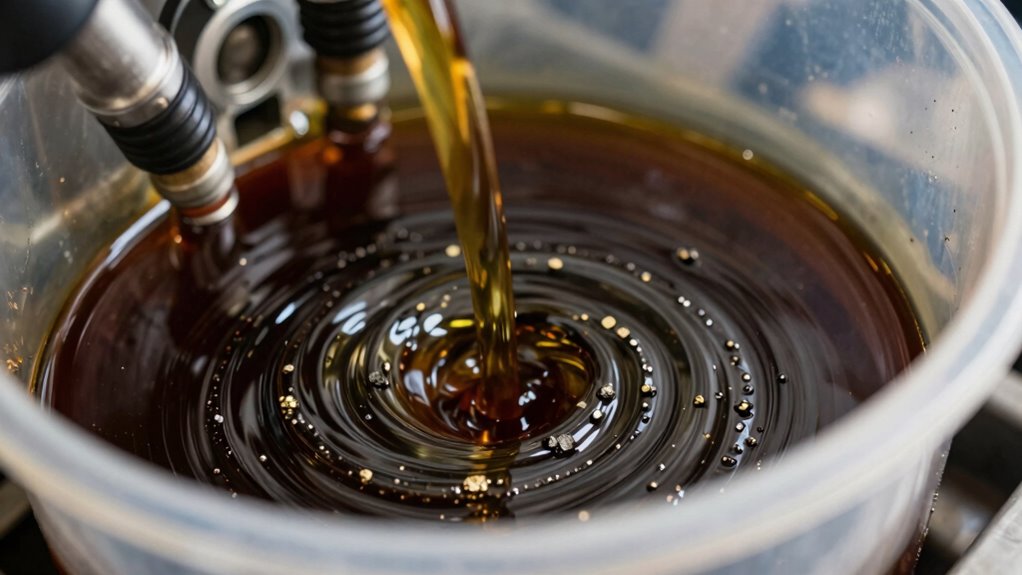
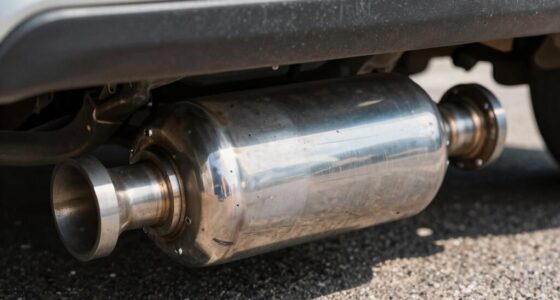
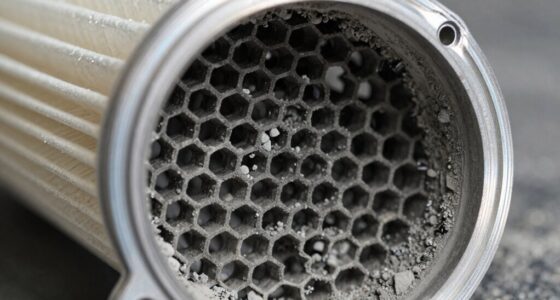
Modern diesel engines tend to contaminate their oil more quickly than older models, primarily due to advanced emissions control systems and tighter engine tolerances. These innovations are designed to meet stricter emissions standards and improve fuel efficiency, but they also introduce new challenges for oil longevity. As emissions standards become more rigorous, engine manufacturers implement technologies like diesel particulate filters (DPFs) and selective catalytic reduction (SCR) systems. While these systems help reduce harmful pollutants, they also create additional conditions that accelerate oil contamination. For example, the regeneration process of DPFs involves burning off accumulated soot, which generates high temperatures and produces byproducts that can mix with your engine oil. This process, although necessary for emissions compliance, can lead to increased dilution and contamination of the oil over time.
Furthermore, tighter engine tolerances mean that components fit more precisely, optimizing combustion and reducing fuel consumption. This increased precision enhances fuel efficiency, a key goal for modern diesel engines. However, these tighter tolerances also mean that any contaminants such as soot, acids, or moisture can have a more pronounced impact on oil quality. Because the engine runs more efficiently, it often operates at higher temperatures where contaminants can form more rapidly. The combination of high combustion temperatures and advanced emission controls results in increased deposits and acid buildup, both of which degrade the oil faster. Additionally, modern diesels often run hotter than older models, further accelerating oil breakdown and contamination.
You might notice that you need to change your oil more frequently with a modern diesel, especially if your driving involves lots of stop-and-go traffic or short trips. These driving conditions prevent the engine from reaching ideal operating temperatures, which hampers the burning off of soot and other residues. Consequently, contaminants like soot, fuel residues, and acids accumulate at a faster rate, risking the health of your engine. Regular oil analysis can help you monitor contamination levels, but even with diligent maintenance, you’ll likely find yourself replacing oil more often than with older models.
While the advancements in emissions standards and fuel efficiency are commendable, they come with the trade-off of quicker oil contamination. You’re encouraged to follow your vehicle manufacturer’s recommended oil change intervals more strictly and opt for high-quality, additive-rich oils that can better resist contamination. Additionally, understanding the importance of engine maintenance routines can help you mitigate some of these issues. Ultimately, understanding how these technological improvements impact oil longevity helps you stay proactive about engine health, ensuring your diesel runs smoothly and efficiently for miles to come.

Under My Hood Oil Analysis Kit – Oil Test Kit for Gasoline & Diesel Engines
- Aircraft Use Warning: Not for aircraft engine testing
- Equipment Monitoring: Tracks oil condition and wear metals
- Universal Compatibility: Suitable for gasoline and diesel engines
As an affiliate, we earn on qualifying purchases.
As an affiliate, we earn on qualifying purchases.
Frequently Asked Questions
Do Modern Diesel Engines Require More Frequent Oil Changes?
Yes, modern diesel engines often need more frequent oil changes. Because of advanced engine technology and stricter emissions standards, oil change intervals may shrink to guarantee proper engine lubrication and prevent contamination. You should follow your vehicle’s recommended schedule and monitor oil quality regularly. Keeping up with these intervals helps maintain engine performance, reduces wear, and avoids costly repairs caused by contaminated oil.
How Does Fuel Quality Impact Oil Contamination in Diesels?
Imagine your engine’s health as a delicate balance, shattered by poor fuel quality. When fuel sulfur levels are high, it accelerates additive degradation, leading to increased oil contamination. Low-quality fuel introduces impurities and unburned hydrocarbons that quickly degrade oil’s protective properties. So, if you don’t use good fuel, you’re inviting faster contamination, risking engine damage and costly repairs. Keep quality fuel in check to preserve your engine’s longevity.
Can Aftermarket Additives Help Reduce Diesel Engine Oil Contamination?
Yes, aftermarket additives can help reduce diesel engine oil contamination by enhancing additive effectiveness. These products often contain detergents and dispersants that break down sludge and prevent contaminants from settling in the oil. Regular use of quality additives supports contamination prevention, keeping your engine cleaner and extending oil life. Just make sure to choose reputable brands and follow the manufacturer’s instructions to maximize their benefits.
Is Synthetic Oil More Resistant to Contamination in Modern Diesels?
Synthetic oil is more resistant to contamination in your modern diesel because of its advanced formulation and superior durability. Studies show synthetics can last up to twice as long as conventional oils before needing a change. The enhanced synthetic durability means your engine stays cleaner longer, reducing the risk of sludge and deposits. So, switching to synthetic oil helps protect your engine and maintains oil quality under demanding conditions.
What Signs Indicate Oil Contamination From Diesel Engine Wear?
If your diesel engine oil shows signs of contamination, you’ll notice unusual color changes, a strong fuel smell, or increased sludge. Regular oil analysis helps identify contamination indicators like metal particles or water ingress early. Keep an eye on these signs, and if detected, get your oil tested promptly. Addressing contamination quickly prevents engine wear and prolongs oil life, ensuring your diesel runs smoothly and efficiently.
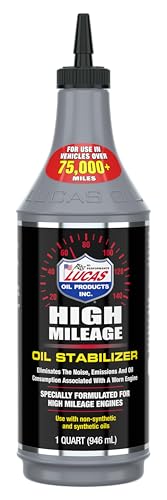
Lucas Oil 10118 High Mileage Oil Stabilizer – 1 Quart
- Engine wear protection: Lubricates all internal parts
- Reduces engine noise: Eliminates noise and emissions
- Minimizes oil consumption: Reduces oil usage in worn engines
As an affiliate, we earn on qualifying purchases.
As an affiliate, we earn on qualifying purchases.
Conclusion
So, next time you check your diesel engine oil, remember that modern diesels can contaminate it up to 50% faster than older models. With tighter emissions standards and advanced tech, your engine’s oil faces more pollutants, meaning you’ll need to change it more often. Staying on top of oil maintenance not only protects your engine but also saves you money in the long run. Don’t overlook these changes—your engine will thank you.

ACDelco DexosD Oil Change Kit 0W-20 Light Duty Diesel Engine Oil 19370138, 10-9277 and AC Delco PF66, 55495105, 19391402 Oil Filter (See Description For compatible vehicles)
- GM-Recommended Replacement Part: For GM vehicles' original components
- High-Quality GM OE: Reliable and durable engine oil and filters
- Manufactured to GM OE Specs: Ensures proper fit and function
As an affiliate, we earn on qualifying purchases.
As an affiliate, we earn on qualifying purchases.
Under My Hood Oil Analysis Kit – Oil Test Kit for Gasoline & Diesel Engines
- Aircraft Use Warning: Not for aircraft engine testing
- Equipment Monitoring: Tracks oil condition and wear metals
- Universal Compatibility: Suitable for gasoline and diesel engines
As an affiliate, we earn on qualifying purchases.
As an affiliate, we earn on qualifying purchases.