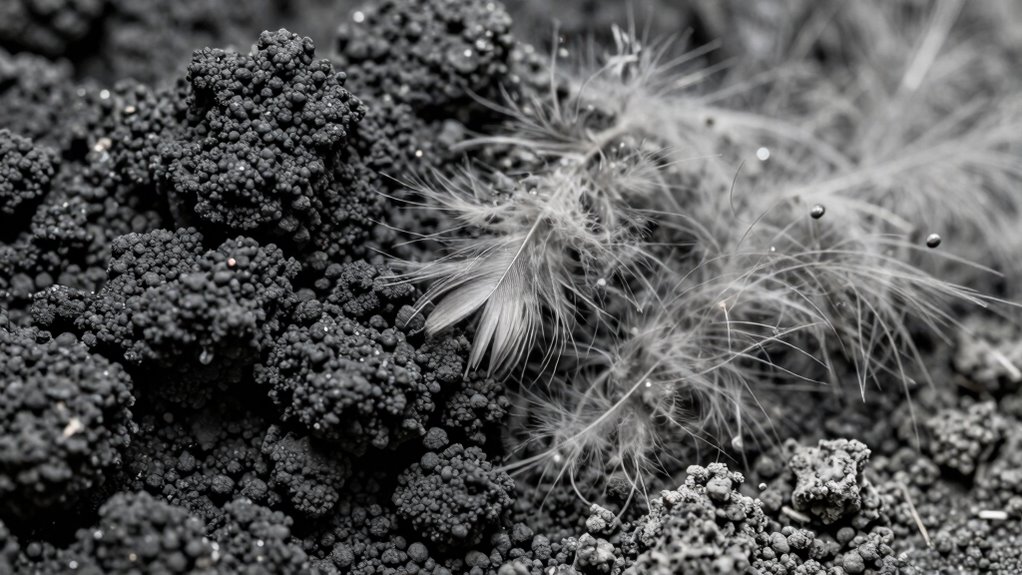

Soot and ash may seem similar but are quite different. Soot is a fine, black powder made of tiny carbon particles from incomplete combustion, which can harm your health and pollute the air. Ash, on the other hand, is the mineral residue left after complete burning, usually lighter in color and inorganic. Understanding their differences helps you manage residues better; more details will reveal how each affects your environment and health.

Get business pricing on garage and car supplies
- Business-only prices and quantity discounts
- Tax-exempt purchasing
- Multiple users, one account, clear invoices
Key Takeaways
- Soot is a fine, black, powdery carbon residue from incomplete combustion, while ash is inorganic mineral residue from complete combustion.
- Soot consists of tiny carbon particles that can pollute air and cause health issues; ash is mainly mineral matter left after burning.
- Proper combustion reduces soot emissions and increases ash production; incomplete combustion produces more soot.
- Soot is dark and powdery, often settling on surfaces; ash is lighter in color and may form clumps.
- Soot impacts air quality and health, whereas ash is generally inert but can pose fire hazards if hot.

Have you ever wondered what the difference is between soot and ash? While they both appear after combustion, they’re quite different in composition, appearance, and impact. Soot is a fine, black, powdery substance made of tiny carbon particles that result from incomplete combustion of fuels like wood, coal, or oil. Ash, on the other hand, is the mineral residue left after complete combustion, often appearing as gray or white clumps. Understanding these differences isn’t just about cleanliness; it also ties into environmental impact and how you should clean and manage these residues. Soot’s environmental impact is significant because it contains tiny particulates that can linger in the air, contributing to air pollution and health issues such as respiratory problems. When soot settles on surfaces, it can stain walls, furniture, and even fabrics, making cleaning more challenging. Its fine particles can also be carried by wind, spreading pollution over large areas. Because of this, reducing soot emissions from sources like fireplaces, stoves, or industrial processes is vital for air quality and public health. Your cleaning techniques matter here—vacuuming with HEPA filters, using damp cloths, and employing specialized soot removers can help manage contamination and prevent soot from becoming airborne again. Proper cleaning not only restores surfaces but also minimizes the environmental impact by preventing the dispersal of fine particles. Additionally, advancements in pollution control technology are helping reduce soot emissions at their source. Ash, meanwhile, is generally less harmful in terms of air quality but still requires careful handling. It’s composed of inorganic minerals like calcium, potassium, and silica, which don’t pose the same respiratory risks as soot. However, ash can be a fire hazard if not stored properly, especially if it contains hot embers. Its environmental impact is relatively low, but in some cases, ash can alter soil chemistry if disposed of improperly, affecting nearby plant life. When cleaning ash, it’s best to let it cool completely before scooping it up using a metal shovel or broom. You should also consider eco-friendly disposal methods, such as composting certain types of wood ash, which can add nutrients to soil. Maintaining proper cleaning techniques ensures that ash doesn’t cause unnecessary mess or environmental harm.
HEPA vacuum cleaner for soot removal
As an affiliate, we earn on qualifying purchases.
As an affiliate, we earn on qualifying purchases.
Frequently Asked Questions
How Do Soot and Ash Affect Indoor Air Quality Differently?
Soot and ash impact your indoor air quality differently. Soot particles are tiny and can linger, clogging air filtration systems and reducing ventilation efficiency. Ash particles are larger and tend to settle quickly, but they can still contaminate surfaces and be stirred into the air. To improve air quality, guarantee proper indoor ventilation and use effective air filtration methods to remove both soot and ash particles from your environment.
Can Soot and Ash Be Used for Any Beneficial Purposes?
You might think soot and ash are just waste, but they do have beneficial uses. Soot can be used in industrial applications like carbon black production, which strengthens tires and plastics. Ash, especially from agricultural waste, enriches soil as a natural fertilizer. So, instead of discarding these materials, you can repurpose them to support manufacturing or farming, turning pollution into valuable resources.
What Are the Health Risks Associated With Soot Exposure?
Exposure to soot can pose serious health risks, including respiratory issues like asthma and bronchitis. You might also face increased cardiovascular risks, such as heart attacks and strokes, especially with long-term exposure. Soot particles can penetrate deep into your lungs and bloodstream, causing inflammation and damage. To protect yourself, avoid inhaling soot fumes and make sure of good indoor air quality, especially if you’re in areas with heavy pollution or ongoing fires.
How Do Soot and Ash Formation Processes Differ?
You might think soot and ash form similarly, but they differ due to combustion efficiency and particle size. Soot results from incomplete combustion, producing tiny, carbon-rich particles that float in the air. Ash, however, forms when the fuel’s minerals burn completely, leaving larger, mineral-based residues. Soot’s small particles can stay airborne longer, while ash settles quickly. Understanding these processes helps you grasp their distinct environmental and health impacts.
Are Soot and Ash Equally Harmful to the Environment?
You should know that soot and ash aren’t equally harmful to the environment. Soot contributes considerably to air pollution, trapping heat and harming ecosystems, which leads to long-term environmental impacts. Ash, on the other hand, is generally less damaging, though it can still affect soil quality. Being aware of their different roles helps you understand their environmental impact and encourages you to reduce pollution from sources like burning fossil fuels.
As an affiliate, we earn on qualifying purchases.
Conclusion
Remember, soot and ash might seem similar—both are remnants of burning—but they serve very different roles. Soot clings and contaminates, while ash settles and cleanses. Soot hides the truth, ash reveals the past. Recognize the difference, understand the impact, and choose awareness over ignorance. Because in the end, what you ignore can linger, what you confront can transform, and what you distinguish can define your path forward.
As an affiliate, we earn on qualifying purchases.
As an affiliate, we earn on qualifying purchases.
Fall Picks
fall essentials
As an affiliate, we earn on qualifying purchases.