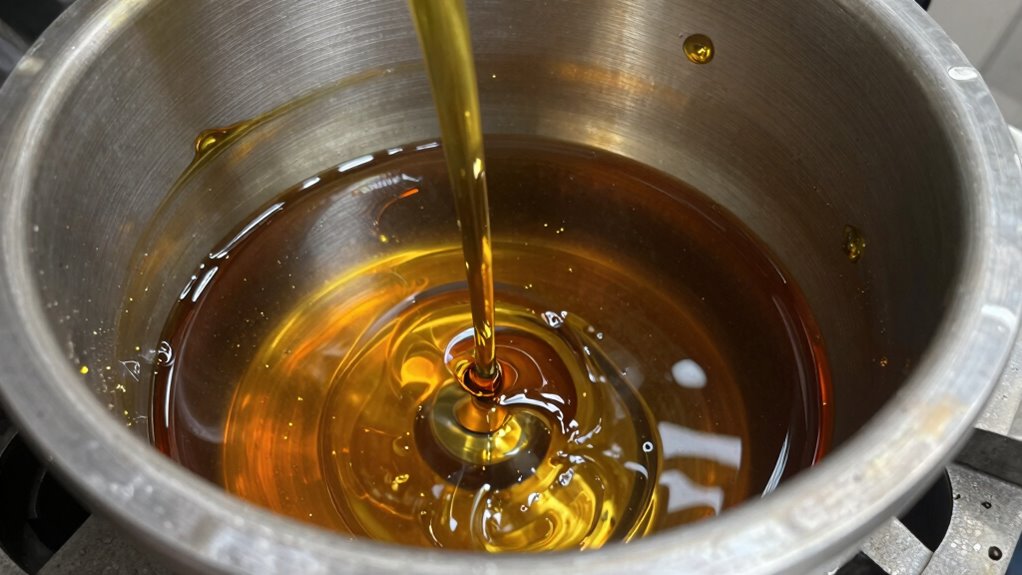

When you use biodiesel, it acts as a solvent that cleans engine deposits, which can improve oil performance. However, this cleaning effect may also loosen sludge and contaminants, causing them to circulate in your oil and possibly accelerate its breakdown. You might notice your oil degrading faster if fuel and oil aren’t compatible or if maintenance isn’t adjusted. To understand how to balance cleaning with oil longevity, keep exploring the key factors involved.

Get business pricing on garage and car supplies
- Business-only prices and quantity discounts
- Tax-exempt purchasing
- Multiple users, one account, clear invoices
Key Takeaways
- Biodiesel’s solvent properties help dissolve engine deposits, improving oil cleanliness but may increase wear if not managed properly.
- Cleaner engine parts from biodiesel can extend oil life by reducing harmful sludge and varnish buildup.
- Biodiesel can loosen deposits, potentially causing contaminants to enter the oil sump and clog filters.
- Compatibility of engine oil with biodiesel is crucial to prevent accelerated oil degradation.
- Regular oil analysis and timely changes are essential to maintain engine health when using biodiesel blends.
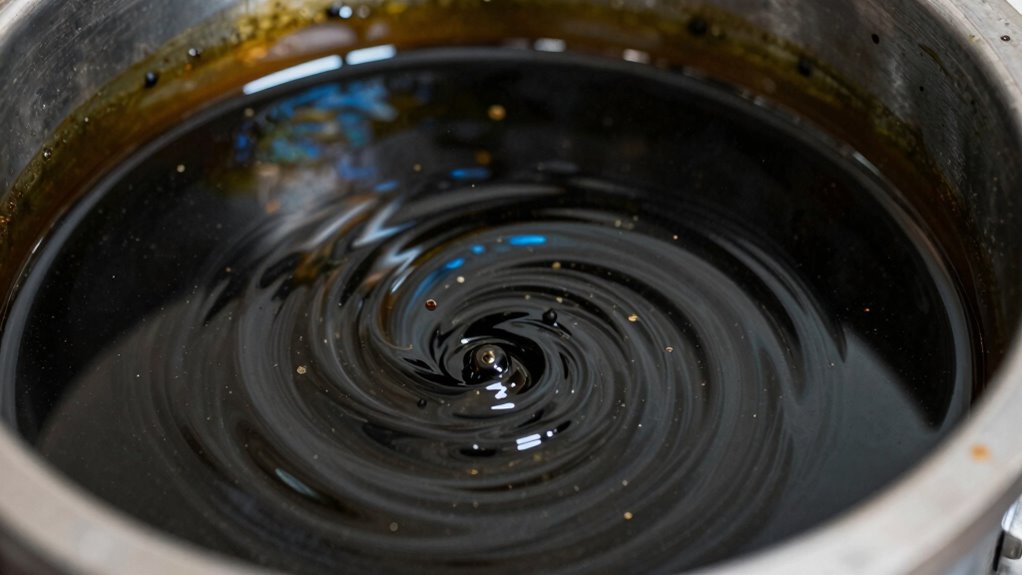
Biodiesel offers a renewable alternative to traditional diesel, but its impact on engine oil life is a key consideration for vehicle owners. When you switch to biodiesel, you might notice changes in how your engine performs, especially regarding engine cleaning and fuel compatibility. Biodiesel’s unique properties can influence the cleanliness of your engine and how well your oil protects its components over time.
One of the primary benefits of biodiesel is its ability to clean engine deposits. Because it acts as a solvent, biodiesel can dissolve and remove buildup from fuel injectors, valves, and other internal parts. While this engine cleaning effect is advantageous in keeping your engine free of harmful deposits, it can also lead to increased wear if your oil isn’t up to the task. The cleaner your engine remains, the less sludge or varnish forms, which means your oil can stay effective longer. However, if your oil isn’t compatible with biodiesel or doesn’t have the right additive package, this cleaning process might accelerate oil degradation. You need to ensure that your engine oil is formulated to handle biodiesel’s cleaning properties, preventing premature breakdown and maintaining proper lubrication.
Biodiesel’s solvent properties can clean engine deposits but may accelerate oil degradation without proper oil formulation.
Fuel compatibility is another critical aspect to consider. Biodiesel blends, especially B20 (20% biodiesel, 80% petroleum diesel), are generally compatible with most modern engines, but they can still cause issues if your vehicle isn’t designed for it. Some rubber seals and fuel system components may degrade faster when exposed to biodiesel, which can lead to leaks or fuel system failures over time. Additionally, biodiesel’s higher solvent content can loosen deposits that might clog fuel filters or injectors if the fuel system isn’t regularly maintained or if incompatible parts are used. Ensuring your vehicle’s fuel system is compatible with biodiesel helps prevent such issues, preserving both engine performance and oil life.
In terms of oil life, you should be aware that biodiesel can influence the rate at which your oil deteriorates. The increased engine cleaning might improve oil longevity initially, but if components are affected by fuel system incompatibility or if deposits loosen and migrate, it could result in contamination or accelerated oil breakdown. Regular oil analysis and timely oil changes become even more important when using biodiesel, to catch any potential issues early. Additionally, considering high-quality engine oils formulated for biodiesel use can help mitigate some of these concerns. Ultimately, understanding how biodiesel interacts with your engine’s cleaning process and ensuring fuel compatibility are essential steps to maintaining optimal oil life and engine health.
engine oil compatible with biodiesel
As an affiliate, we earn on qualifying purchases.
As an affiliate, we earn on qualifying purchases.
Frequently Asked Questions
How Does Biodiesel Affect Engine Warranty Coverage?
Biodiesel can impact your engine warranty coverage if it’s not compatible with your engine. You need to check engine compatibility before using biodiesel, as some manufacturers specify restrictions. Using incompatible biodiesel may void warranty implications, leaving you responsible for repairs. Always review your vehicle’s warranty terms and consult your manufacturer to guarantee biodiesel use won’t jeopardize your coverage. Proper maintenance and adherence to guidelines protect your warranty rights.
Can Biodiesel Be Mixed With Conventional Diesel Long-Term?
Like mixing oil and water, long-term biodiesel and conventional diesel can challenge fuel stability and chemical compatibility. You can blend them, but be mindful that this may affect engine performance and longevity. Over time, impurities or degradation could occur, so monitor fuel quality regularly. To guarantee smooth operation, consult your engine manufacturer and consider using additives or premium blends designed for such mixes.
What Are the Environmental Impacts of Biodiesel Degradation?
Biodiesel degradation impacts the environment through biodegradation processes that break down the fuel over time. While this can reduce long-term pollution, it may release byproducts that increase environmental toxicity if not managed properly. You should monitor biodiesel’s degradation rate to minimize harmful effects, as improper handling can lead to soil and water contamination. Proper storage and disposal help mitigate these environmental impacts, ensuring safer biodegradation processes.
How Often Should Oil Be Changed When Using Biodiesel?
You should change your oil more frequently when using biodiesel, roughly every 3,000 to 5,000 miles, because biodiesel considerably accelerates oxidation effects and reduces fuel stability. This faster oil degradation can cause engine wear if ignored, so regular oil changes are essential. Keep an eye on oil quality, and don’t wait until it looks dark or gritty—your engine’s health depends on timely maintenance.
Does Biodiesel Influence Fuel System Corrosion Risks?
Yes, biodiesel can increase fuel system corrosion risks due to its solvent properties, which may degrade seals and metal components. To mitigate this, you should guarantee fuel stability by using corrosion inhibitors and regularly inspecting your fuel system. Proper maintenance reduces the potential for corrosion, helping your engine operate smoothly and prolonging its lifespan. Always choose high-quality biodiesel and keep an eye on fuel additives to protect your system effectively.
As an affiliate, we earn on qualifying purchases.
Conclusion
As you explore the impact of biodiesel on your oil’s journey, you’ll find subtle shifts that gently influence your engine’s well-being. Embracing these changes means staying attentive and proactive, ensuring your vehicle continues to perform smoothly. With a little care and understanding, you can navigate this new landscape confidently. After all, every small adjustment helps nurture your engine’s health, turning what might seem like a challenge into an opportunity for longer, more reliable performance.
fuel system cleaner for biodiesel vehicles
As an affiliate, we earn on qualifying purchases.
As an affiliate, we earn on qualifying purchases.
oil analysis kit for engine health
As an affiliate, we earn on qualifying purchases.
As an affiliate, we earn on qualifying purchases.
Evergreen bestsellers Picks
bestsellers
As an affiliate, we earn on qualifying purchases.