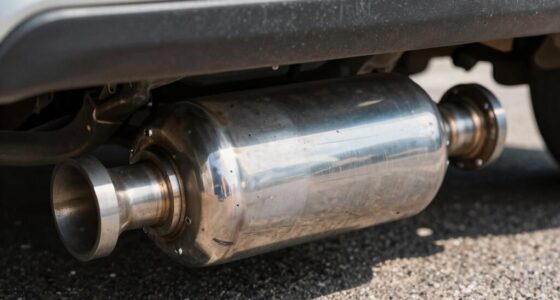

If you drive a vehicle with stop-start and a DPF, your engine oil faces higher thermal and mechanical stress than usual. Frequent cold starts and DPF regeneration cycles cause rapid temperature fluctuations and soot burns, breaking down oil faster. This increased stress can lead to premature oil degradation, affecting engine performance and efficiency. To understand how to better protect your engine and optimize maintenance, explore further insights on managing oil stress in these systems.

Get business pricing on garage and car supplies
- Business-only prices and quantity discounts
- Tax-exempt purchasing
- Multiple users, one account, clear invoices
Key Takeaways
- Frequent engine shutdowns and restarts cause repeated thermal cycling, increasing oil stress beyond normal operation.
- DPF regeneration cycles involve high-temperature soot burns that elevate engine and oil temperatures, accelerating oil breakdown.
- Thermal fluctuations from stop-start and DPF processes reduce oil viscosity and protective properties more rapidly.
- Elevated engine temperatures during regeneration and cold starts intensify oil degradation, demanding higher-quality lubricants.
- Combined effects of stop-start operation and DPF cycling lead to increased mechanical and thermal stresses on engine oil.
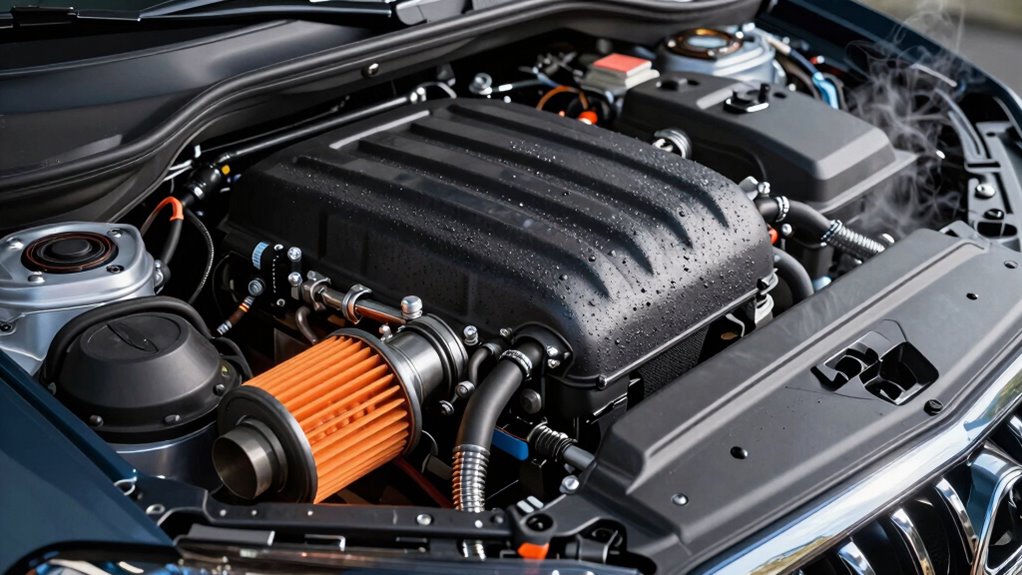
Stop-start systems and diesel particulate filters (DPFs) are common features in modern vehicles designed to reduce emissions and improve fuel efficiency. While these technologies offer environmental benefits and cost savings, they also introduce new stresses on your engine that can lead to increased wear if not properly managed. Understanding how stop-start systems and DPFs influence engine operation helps you recognize why oil stress might be higher than expected, impacting your vehicle’s longevity and performance.
Modern stop-start and DPF systems boost efficiency but can increase engine stress and wear without proper maintenance.
When your vehicle frequently switches off and on with a stop-start system, the engine endures repeated cycles of cold starts and thermal fluctuations. Each restart subjects engine components to additional stress, especially on parts like pistons, valves, and bearings. Over time, this can accelerate engine wear if the engine oil isn’t up to the task. The oil plays a critical role in lubricating moving parts, reducing friction, and cooling the engine. In vehicles with stop-start technology, the oil temperature can fluctuate more rapidly, causing thermal stress that may degrade oil quality faster. As a result, the oil’s viscosity and protective properties can diminish sooner, increasing the risk of engine wear.
DPFs add another layer of complexity. These filters trap soot from diesel exhaust, necessitating periodic regeneration processes that often involve high-temperature burns. During regeneration, the engine runs at higher loads and temperatures, which can elevate oil temperatures and strain the engine’s lubrication system. This cycle of soot accumulation and burning not only affects emissions but also influences oil stress levels. The increased thermal and mechanical stresses during DPF regeneration can cause oil breakdown, leading to increased engine wear if oil changes aren’t performed on schedule. Additionally, oil degradation can be accelerated by these thermal cycles, further emphasizing the importance of proper maintenance.
Fuel efficiency, a key reason for adopting stop-start systems and DPFs, can paradoxically be compromised if engine oil isn’t maintained properly. As oil degrades faster under these conditions, its ability to reduce friction diminishes, which can reduce overall fuel efficiency. Furthermore, increased engine wear results in higher internal friction and less smooth operation, further diminishing fuel economy over time. Poor lubrication due to degraded oil can also lead to inefficient combustion, which counters the benefits gained from stop-start technology.
To mitigate these issues, it’s essential to use high-quality, manufacturer-recommended oils that can withstand thermal cycles and protect engine components better. Regular oil changes become even more critical in vehicles with stop-start and DPF systems. Proper maintenance ensures that the engine remains well-lubricated, reducing wear and maintaining optimal fuel efficiency. By paying close attention to oil quality and service intervals, you can help your vehicle handle the extra stresses these modern systems introduce and extend its lifespan while maximizing fuel savings.
high temperature engine oil for stop-start vehicles
As an affiliate, we earn on qualifying purchases.
As an affiliate, we earn on qualifying purchases.
Frequently Asked Questions
How Does Oil Stress Affect Engine Longevity in Stop-Start Vehicles?
Oil stress accelerates oil degradation, which can lead to increased engine wear in stop-start vehicles. When oil breaks down faster, it loses its lubricating properties, putting more strain on engine components. This heightened stress can reduce engine longevity over time, as the engine faces more friction and wear. To protect your engine, regular oil changes and using high-quality oil are essential, especially in stop-start systems that put extra demands on the oil.
Are There Specific Oil Types Recommended for Stop-Start + DPF Vehicles?
You should opt for synthetic blends or oils with advanced additive packages designed for stop-start and DPF vehicles. These oils offer better thermal stability and reduce stress on your engine. Look for formulations with high-quality oil additives that help protect against deposits and wear. Using the right oil guarantees your engine stays clean and performs efficiently, even with frequent stops and DPF operation, ultimately extending its lifespan.
Can Oil Stress Lead to Increased Emissions Over Time?
Think of oil as your engine’s lifeblood—when it degrades from excessive stress, it can cause emissions to creep upward over time. Increased oil degradation leads to poorer lubrication, which boosts engine wear and combustion inefficiency. This, in turn, results in an emission increase. If you don’t change your oil regularly, you risk letting these invisible pollutants grow, making your vehicle less eco-friendly and more costly in the long run.
What Maintenance Practices Can Reduce Oil Stress in These Vehicles?
To reduce oil stress in your vehicle, regularly use oil additives formulated for stop-start and DPF systems to improve lubrication and protect engine parts. Additionally, prioritize filter maintenance by replacing oil and air filters on schedule, ensuring contaminants don’t increase engine strain. Keep up with these practices, and you’ll help minimize oil stress, prolong engine life, and keep emissions in check during frequent stop-start driving.
How Often Should Oil Be Changed in Stop-Start + DPF Vehicles?
You should change the oil every 5,000 to 7,500 miles in stop-start plus DPF vehicles to prevent oil degradation and maintain peak fuel efficiency. Frequent oil changes help reduce stress on engine oil caused by the frequent idling and DPF regeneration cycles, which accelerate oil breakdown. By sticking to this schedule, you guarantee your vehicle runs smoothly, preserves engine health, and keeps fuel efficiency at its best.
diesel engine oil with high soot protection
As an affiliate, we earn on qualifying purchases.
As an affiliate, we earn on qualifying purchases.
Conclusion
When you combine stop-start systems with DPF vehicles, oil stress can unexpectedly increase, leading to quicker wear and tear. For example, imagine a city driver taking frequent short trips; the engine never fully warms up, causing oil breakdown and DPF clogging. Staying vigilant with regular oil changes and monitoring engine health can help you avoid costly repairs. Understanding these factors lets you keep your vehicle running smoothly, even in demanding urban driving conditions.
engine oil additive for DPF regeneration
As an affiliate, we earn on qualifying purchases.
As an affiliate, we earn on qualifying purchases.
synthetic motor oil for frequent cold starts
As an affiliate, we earn on qualifying purchases.
As an affiliate, we earn on qualifying purchases.
Fall Picks
fall essentials
As an affiliate, we earn on qualifying purchases.