
If your CVT shudders, it often points to issues with transmission fluid, like contamination or low levels that cause uneven pressure and rough shifts. Slip, on the other hand, usually indicates that the fluid is losing viscosity or isn’t providing enough hydraulic force, leading to engine revs rising without a corresponding increase in speed. Understanding the differences can help you identify if fluid problems are contributing to your transmission trouble—more details await if you look further.

Get business pricing on garage and car supplies
- Business-only prices and quantity discounts
- Tax-exempt purchasing
- Multiple users, one account, clear invoices
Key Takeaways
- Shudder often indicates contaminated or degraded transmission fluid causing uneven hydraulic pressure.
- Slip is usually due to fluid losing viscosity, leading to insufficient hydraulic force and power transfer.
- Shudder presents as jerky, rough motion; slip involves engine revs increasing without corresponding speed.
- Checking fluid condition (color, smell, level) helps determine if fluid issues are causing either symptom.
- Proper fluid maintenance can prevent both shudder and slip, but persistent problems may involve mechanical or electronic causes.
If you’ve noticed your CVT transmitting a shudder or slip, it can be confusing to tell the difference between the two. Both issues affect how your vehicle accelerates and can signal underlying problems, but they have distinct causes and implications. Understanding the transmission behavior during each problem is key to diagnosing whether fluid issues are at play. When your CVT shudders, you’ll feel a rough, jerky sensation, often during acceleration or when the transmission shifts gears. It’s like the transmission is struggling to smoothly transfer power from the engine to the wheels. Conversely, slipping feels like the engine revs higher than usual without a corresponding increase in vehicle speed. In this case, the transmission isn’t maintaining proper grip, and power delivery becomes inconsistent.
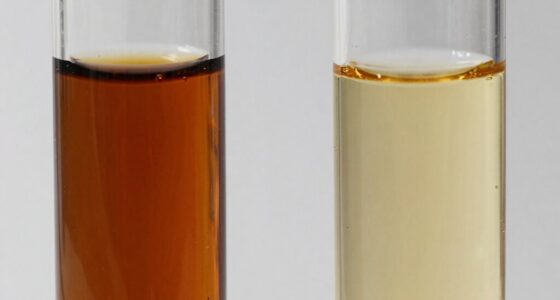
In terms of vehicle diagnostics, the transmission behavior offers important clues about whether fluid issues might be causing the problem. CVT shuddering is often linked to the transmission fluid’s condition. Old, contaminated, or insufficient fluid can cause uneven pressure within the system, leading to that rough feeling. The fluid’s role is to lubricate and transmit hydraulic pressure to control the belt or chain drive. When it’s compromised, the transmission struggles to operate smoothly. Slipping, on the other hand, is frequently associated with fluid slipping or the fluid’s inability to maintain the correct pressure. This can happen when the fluid becomes burnt or degraded, losing its viscosity and ability to create the necessary hydraulic force. During vehicle diagnostics, mechanics may check the fluid level, color, and smell to assess its quality. Dark, burnt-smelling fluid points to overheating and deterioration, which can cause slipping. If replacing or topping off the fluid alleviates the slipping but not the shudder, it suggests that fluid issues are a primary cause.
Additionally, fluid maintenance is vital for preventing these issues, as regular checks and replacements can extend the lifespan of your CVT. However, it’s important to remember that transmission behavior isn’t solely caused by fluid problems. Mechanical wear, internal damage, or electronic control issues can also produce similar symptoms. That’s why thorough vehicle diagnostics is crucial. A professional mechanic will use specialized tools to read diagnostic trouble codes, examine sensor data, and perform test drives. These steps help pinpoint whether fluid quality, mechanical components, or electronic controls are behind your CVT’s performance issues. In essence, while fluid issues often manifest as shudder or slip, the key to proper diagnosis is observing the specific transmission behavior and conducting thorough vehicle diagnostics. Addressing fluid problems early can prevent more costly repairs down the line and restore smooth, reliable performance to your vehicle.
CVT transmission fluid change kit
As an affiliate, we earn on qualifying purchases.
As an affiliate, we earn on qualifying purchases.
Frequently Asked Questions
Can a CVT ‘Shudder’ Occur at Specific Speeds or Conditions?
Yes, a CVT shudder can occur at specific speeds or conditions. You might notice it during acceleration or at certain speed ranges, especially if the transmission struggles with speed-related issues. Temperature effects also play a role; cold weather can cause the fluid to thicken, leading to shuddering. Keep an eye on these conditions, as they can signal fluid problems or other transmission concerns that need addressing.
Is a CVT ‘Slip’ Always Caused by Low Fluid Levels?
A CVT slip isn’t always caused by low fluid levels. Fluid contamination can also lead to slipping, as dirty fluid reduces hydraulic pressure. Additionally, issues with the torque converter, like wear or damage, might cause slipping instead of a simple fluid problem. Always check for contamination or mechanical faults rather than just fluid levels, since these factors can contribute to slipping and affect your transmission’s performance.
How Can I Differentiate Between a Minor Shudder and a Serious Slip?
Think of your transmission as a heartbeat—steady or irregular. A minor shudder feels like a gentle tremor, often passing with a quick transmission diagnostics or fluid inspection. A serious slip is more like a sudden, jarring drop, signaling deeper issues. To tell the difference, listen closely and observe your car’s response. When in doubt, get professional help to diagnose whether it’s just a temporary glitch or a sign of serious trouble.
Are There Long-Term Damages Associated With CVT Shudder or Slip?
Yes, long-term damage can occur from CVT shudder or slip if left unaddressed. Fluid degradation over time compromises transmission performance, leading to increased wear and potential failure. Continuous shudder or slip indicates ongoing fluid issues, which can cause internal components to wear prematurely. Regular maintenance, including fluid checks and replacements, helps prevent long-term damage, ensuring your CVT stays smooth and reliable for years to come.
Does Driving Style Influence the Likelihood of CVT Issues Like Shudder or Slip?
Did you know that aggressive driving habits can increase CVT problems by up to 30%? Your driving style definitely influences the likelihood of CVT issues like shudder or slip. Smooth acceleration and gentle braking reduce strain on the transmission, while regular maintenance routines, such as fluid checks and replacements, help prevent fluid-related problems. So, adopting better driving habits and staying on top of maintenance can keep your CVT running smoothly longer.
As an affiliate, we earn on qualifying purchases.
Conclusion
Understanding whether your CVT is shuddering or slipping can save you from costly repairs. Did you know that CVT issues account for over 30% of transmission repairs? If your car jerks or feels like it’s slipping, addressing fluid problems early can prevent further damage. Stay attentive to these signs, and don’t ignore fluid maintenance. Regular checks might just save you from a surprise breakdown—and keep your ride smooth and reliable.
automatic transmission fluid dipstick
As an affiliate, we earn on qualifying purchases.
As an affiliate, we earn on qualifying purchases.
As an affiliate, we earn on qualifying purchases.
Evergreen bestsellers Picks
bestsellers
As an affiliate, we earn on qualifying purchases.