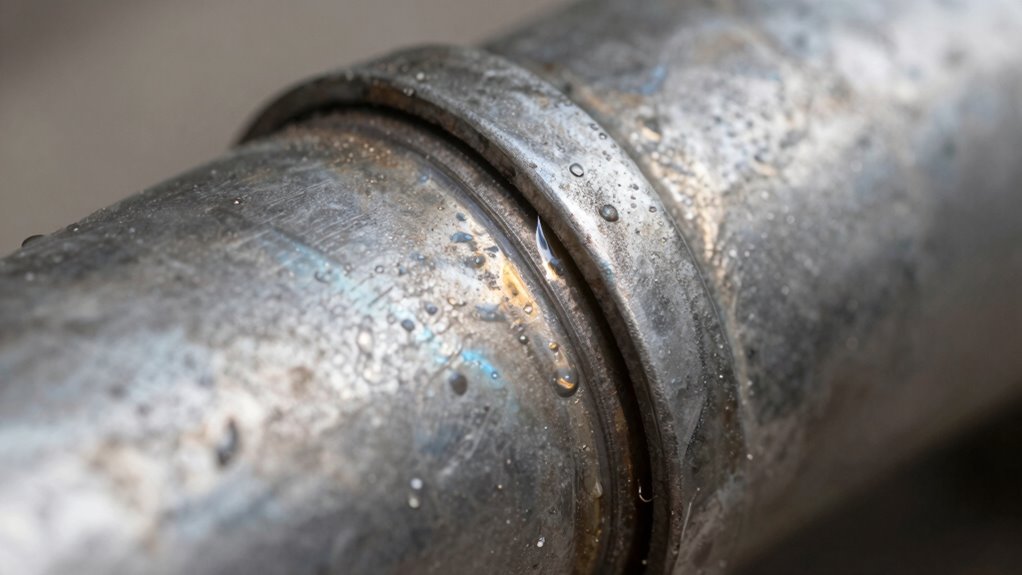

A malfunctioning differential breather can cause oil leaks and residues that look like a seal failure, but it’s actually due to pressure regulation problems. When the breather clogs or wears out, it can’t vent properly, leading to pressure build-up or vacuums that force oil past seals. These leaks mimic bad seal damage but are caused by venting issues. Keep exploring to discover how to identify and fix this hidden source of leaks effectively.

Get business pricing on garage and car supplies
- Business-only prices and quantity discounts
- Tax-exempt purchasing
- Multiple users, one account, clear invoices
Key Takeaways
- Malfunctioning diff breather can cause oil leaks that mimic seal failures.
- Clogged or damaged breathers disrupt pressure regulation, leading to leaks resembling bad seals.
- Pressure imbalances from breather issues can cause localized vibrations and oil seepage.
- Oil contamination and residues around seals may result from breather malfunction, not seal failure.
- Regular breather maintenance prevents pressure-related leaks that look like seal problems.
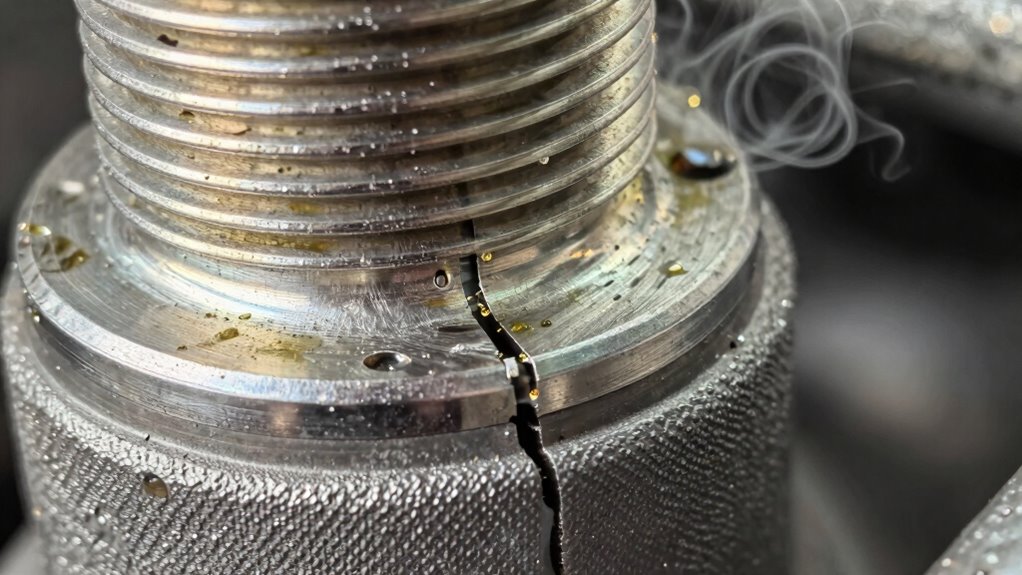
Have you ever wondered how certain localized vibrations persist steadily within complex systems? This phenomenon is often linked to subtle issues that aren’t immediately obvious, like differential breathers. These devices are essential in managing fluid dynamics within machinery, especially in systems where pressure regulation and oil contamination play significant roles. When a differential breather malfunctions or is misinterpreted as a failed seal, it can lead to confusing symptoms that mimic more serious problems, making diagnosis tricky but vital.
In many cases, oil contamination becomes a key indicator of a faulty differential breather. If the breather isn’t functioning properly, it can allow contaminants to enter the system or fail to vent pressures effectively. This contamination can settle into oil reservoirs, causing degradation and reducing lubrication efficiency. It might look like a seal failure because oil contamination often results in fluid leaks or the appearance of oily residues around seals and vent points. However, the root cause could be the breather’s inability to maintain proper pressure regulation, which leads to pressure build-up or vacuum conditions that draw in dirt and moisture.
Pressure regulation is at the core of a differential breather’s function. It’s designed to release excess pressure and prevent vacuum conditions that could harm the system. When these breathers are clogged, damaged, or improperly installed, pressure can become uneven or poorly controlled. This imbalance can cause localized vibrations, which seem harmless but are actually signs that the system is under stress. These vibrations often appear steady and localized because the breather’s malfunction creates a persistent pressure imbalance, leading to ongoing, subtle vibrations that can mimic the sound and feel of a bad seal.
Understanding that differential breathers influence both oil contamination and pressure regulation helps you diagnose issues more accurately. Instead of immediately assuming a seal failure, you should check the breather’s condition—look for clogs, cracks, or signs of wear. Regular maintenance and inspection of these components often reveal that what seems like a leak or a bad seal is actually a breather malfunction. This insight saves you from unnecessary repairs or replacements, as fixing the breather restores proper pressure regulation and prevents oil contamination from worsening. Recognizing these signs early can help maintain system performance, extend equipment lifespan, and avoid costly downtime.
Check breather conditions regularly to prevent misdiagnosing seal failures and maintain system health.
In essence, what appears to be a leak or seal failure might actually stem from a malfunctioning differential breather. By paying attention to how oil contamination and pressure regulation issues manifest, you can address the real problem at its source—ensuring your machinery runs smoothly and reliably without false alarms or unnecessary repairs.
Maintaining proper ventilation systems and understanding their role in pressure regulation are crucial for preventing these issues before they escalate.
differential breather replacement kit
As an affiliate, we earn on qualifying purchases.
As an affiliate, we earn on qualifying purchases.
Frequently Asked Questions
Can Differential Breathers Cause Long-Term Vehicle Damage?
Yes, differential breathers can cause long-term vehicle damage if they malfunction. These venting mechanisms help with pressure regulation in the differential, preventing build-up that could lead to seal leaks or component stress. If a breather fails or becomes clogged, excessive pressure may damage seals or gears over time. Regular inspection and maintenance guarantee proper venting, protecting your vehicle from costly repairs caused by pressure-related issues.
Are There Specific Vehicles More Prone to Leakage Issues?
Some vehicle models are more prone to leakage issues due to design differences, especially those with complex breather systems. You should pay close attention to breather maintenance, as neglecting it can lead to leaks that resemble bad seals. Regular inspection of your vehicle’s breather system helps prevent long-term damage. If you notice leaks, check your vehicle model’s specific maintenance guidelines, and address any issues promptly to avoid costly repairs.
How Often Should Differential Breathers Be Inspected or Replaced?
Think of your differential breather like a essential checkpoint—it needs regular attention. You should inspect it every 12,000 to 15,000 miles or once a year, whichever comes first. Replace it if you notice cracks, clogging, or leaks. Following proper inspection frequency and replacement intervals keeps your differential breathing properly, preventing leaks that look like bad seals and ensuring your vehicle stays reliable on the road.
Do Different Climates Impact the Likelihood of Leaks From Breathers?
Yes, different climates impact the likelihood of leaks from breathers. In humid or salty environments, climate effects accelerate seal deterioration, increasing the risk of leaks. Hot temperatures can cause materials to expand and degrade faster, while cold climates may make seals brittle. You should inspect breathers more frequently in extreme climates to catch leaks early, ensuring proper maintenance and preventing costly damage.
What Are Cost-Effective Ways to Diagnose a Leaking Differential Breather?
Imagine noticing oil spots beneath your vehicle’s differential—this DIY inspection hints at a leak. To diagnose cost-effectively, start by visually inspecting the breather for cracks or debris. Check for signs of oil spray or residue around the vent. Using a flashlight and mirror helps spot hidden leaks, saving you money on professional repairs. Regular visual clues can quickly identify breathing issues before they worsen.
As an affiliate, we earn on qualifying purchases.
Conclusion
Understanding differential breathers is like spotting a tiny leak in a big pipeline—you might overlook it at first, but it can cause serious issues if ignored. By recognizing that the leak looks like a bad seal, you can troubleshoot more effectively and prevent costly repairs. Stay attentive to these small signs, because catching them early is like fixing a small crack before it becomes a flood. Keep a keen eye, and you’ll keep your system running smoothly.
As an affiliate, we earn on qualifying purchases.
automotive oil contamination cleaner
As an affiliate, we earn on qualifying purchases.
As an affiliate, we earn on qualifying purchases.
Fall Picks
fall essentials
As an affiliate, we earn on qualifying purchases.