
Transfer cases are highly sensitive to specifications because they need precise manufacturing tolerances to work properly. Even though they look like gearboxes, small deviations in gear ratios or component fit can cause noise, wear, or failure. Proper gear engagement and smooth power distribution depend on tight tolerances and exact parts, making them more critical than typical gearboxes. Keep exploring to understand how these fine details impact performance and longevity.
Key Takeaways
- Transfer cases require tight component tolerances for precise power distribution and smooth gear engagement.
- Small deviations can cause noise, wear, or failure, despite similar external appearances to gearboxes.
- Accurate gear ratios are essential for balanced torque split and vehicle performance, making tolerances critical.
- Proper clutch engagement depends on precise tolerances to prevent slipping or harsh shifts.
- Manufacturing precision ensures durability, reduces wear, and maintains reliable operation under varying conditions.
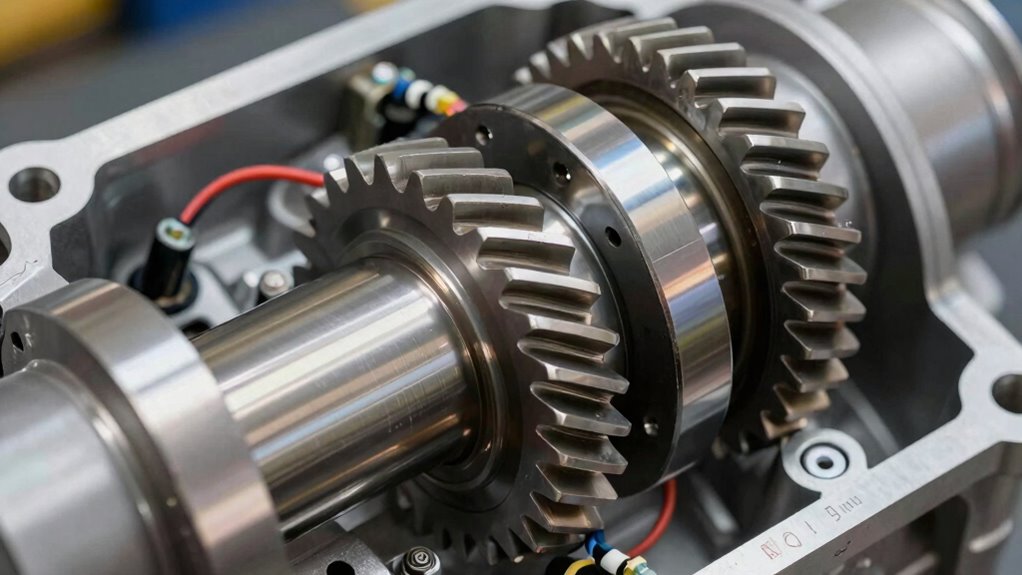
Have you ever wondered why transfer cases require specific component tolerances? It’s a good question, especially since they often look like regular gearboxes. The answer lies in their unique role within your vehicle’s drivetrain. Transfer cases are responsible for distributing power from the transmission to both the front and rear axles, enabling four-wheel drive. To do this effectively, they must maintain precise gear engagement and smooth operation, which hinges on tight component tolerances. Small deviations can lead to increased wear, noise, or even failure, making exact specifications critical.
Transfer cases need tight tolerances for smooth operation and durability.
One key factor is clutch engagement within the transfer case. Unlike a simple gearbox, the transfer case often incorporates clutch mechanisms that engage and disengage different gear ratios or drive modes. Proper clutch engagement depends heavily on tolerances because it ensures the clutch plates mesh perfectly, allowing seamless power transfer. If tolerances are off, the clutch might slip or engage too harshly, causing jerky transitions or accelerated wear. This precision allows your vehicle to switch between two-wheel and four-wheel drive modes smoothly, without damaging internal components or compromising performance.
Gear ratios are another essential aspect that underscores the importance of tight tolerances. Transfer cases are designed with specific gear ratios to deliver the desired torque split between axles. These gear ratios are carefully calculated and manufactured to ensure that power distribution is consistent and reliable. Slight deviations in gear dimensions can throw off the gear ratios, leading to uneven power delivery, increased mechanical stress, or inefficiencies. If the gear ratios aren’t exact, you might experience issues like binding, increased noise, or reduced fuel economy. Maintaining strict component tolerances enables the transfer case to operate as intended, providing optimal traction and performance.
Furthermore, these tolerances influence the overall durability of your transfer case. When components fit precisely, there’s less chance for metal-on-metal contact outside of the intended gear engagement. This reduces heat buildup and wear, extending the lifespan of internal parts. Conversely, loose tolerances can cause vibrations, misalignments, and accelerated component fatigue, which might lead to costly repairs down the line.
Another reason these tolerances are so critical is because the manufacturing process for transfer cases involves tight machining tolerances to ensure proper fit and function. In essence, the reason transfer cases are so sensitive to specifications isn’t just about manufacturing precision; it’s about ensuring safe, efficient, and reliable operation. Precise tolerances guarantee that clutch engagement proceeds smoothly, gear ratios stay accurate, and internal components work harmoniously. When these factors are aligned, your vehicle can deliver the performance you expect, whether you’re tackling tough terrain or just cruising down the highway.

GM NP261XHD NP263XHD Transfer Case (Allison Trans) Complete Rebuild Package
Compatible w/ 2001-2007 Chevy Silverado & GMC Sierra 2500HD and 3500 6.6L Duramax Diesel & 8.1L Gas w/…
As an affiliate, we earn on qualifying purchases.
As an affiliate, we earn on qualifying purchases.
Frequently Asked Questions
How Do Transfer Case Specifications Affect Vehicle Off-Road Performance?
Your vehicle’s off-road performance depends heavily on transfer case specifications. Transfer case compatibility ensures smooth power delivery across different terrains, while gear ratio selection impacts torque and speed in challenging conditions. Choosing the right transfer case ensures you get optimal traction and control, especially when traversing uneven terrain. Mismatched specs can reduce efficiency and cause damage, so understanding these details helps you maximize your vehicle’s off-road capabilities.
Can Incorrect Transfer Case Installation Damage the Entire Drivetrain?
Incorrect transfer case installation can indeed damage your entire drivetrain. If you don’t guarantee transfer case compatibility and prioritize installation accuracy, misaligned components or improper mounting can cause excessive wear or failure. This damage might lead to costly repairs and compromise vehicle performance. Always double-check compatibility, follow manufacturer instructions meticulously, and have a professional handle installation to prevent drivetrain issues caused by incorrect transfer case setup.
Are There Common Signs Indicating a Transfer Case Is Failing?
Yes, signs of a failing transfer case include unusual noises like grinding or clunking, especially when shifting between drive modes. You might also notice fluid leaks from the transfer case, which can indicate low or contaminated transfer case fluid. Poor drive shaft alignment can cause vibrations or difficulty in engaging 4WD. If you experience these symptoms, it’s essential to check the transfer case fluid and make certain proper drive shaft alignment to prevent further damage.
How Often Should Transfer Cases Be Inspected or Serviced?
Your transfer case needs regular attention, or it’s like inviting chaos into your vehicle. You should inspect and service it every 30,000 to 60,000 miles, focusing on fluid changes and seal inspections. Keep an eye out for leaks or unusual noises. Proper maintenance guarantees smooth operation, prevents costly repairs, and keeps your drivetrain performing at its best. Don’t wait for failure—stay ahead with routine checks.
Do Transfer Case Specifications Vary Between All-Wheel and Four-Wheel Drive Systems?
Yes, transfer case specifications vary between all-wheel and four-wheel drive systems. You need to take into account transfer case compatibility for your vehicle, as differences in gear ratios can impact performance. Even if two transfer cases look similar, their gear ratio differences and compatibility with your drivetrain are essential. Selecting the right transfer case guarantees ideal power distribution and prevents damage, so always check these specs before making a swap or upgrade.
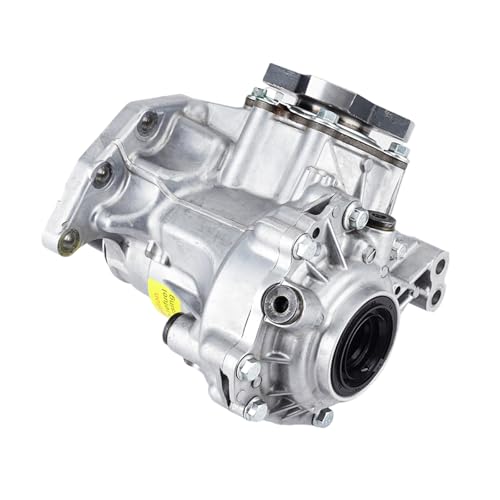
33100-3KA0B Transfer Case Assembly Fit for Nissan Pathfinder 2013-2018 for Nissan Murano 2015-2018 for Infiniti QX60 2014-2015 for Infiniti JX35 3.5L 2013 Replaces 412-59276 331003KA0B 33100-3KA0C
【Fitment】for Nissan Murano Platinum/S/SL/SV V6 3.5L 2015-2020; Nissan Pathfinder Platinum/S/SL/SV V6 3.5L 2013-2019; Infiniti JX35 Base, Premium V6…
As an affiliate, we earn on qualifying purchases.
As an affiliate, we earn on qualifying purchases.
Conclusion
So, next time you glance at a transfer case, remember how its specs matter more than they seem. It’s funny how a small detail can make all the difference, like finding a missing puzzle piece just when you thought the picture was complete. Whether you’re fixing or upgrading, paying attention to these specs isn’t just technical—it’s about making sure everything works perfectly together, almost as if the universe conspired to keep your drivetrain running smooth.

USA Standard Transfer Case NP261 & NP263 Transfer Case Bearing Kit 1995+
New Process 261LD, 261HD, and 263HD Transfer Case
As an affiliate, we earn on qualifying purchases.
As an affiliate, we earn on qualifying purchases.

Compatible With: Chevy GM NP246 Transfer Case Chain Pump Clutches Case Saver Filter Rebuild Bearing kit
Our Parts are of the highest quality and meet all standards set by professional installers
As an affiliate, we earn on qualifying purchases.
As an affiliate, we earn on qualifying purchases.