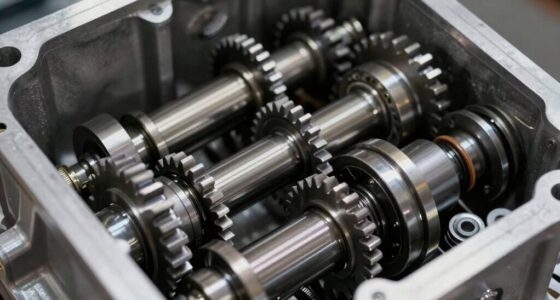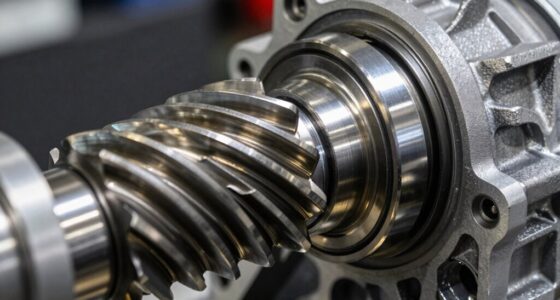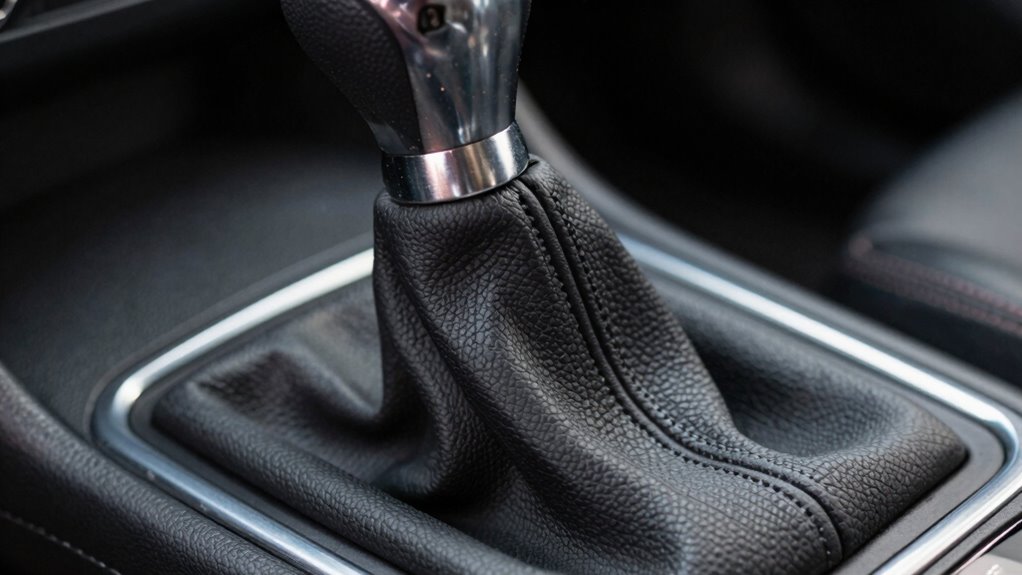
If your manual transmission shifts feel notchy or stiff, worn or contaminated fluid is often the culprit. Old or dirty gear oil reduces lubrication, increases friction, and causes gear grinding or resistance. Regularly checking and replacing your transmission fluid keeps internal parts moving smoothly, preventing shift issues. Ensuring proper clutch adjustment and maintenance can also help. To find out more about fixing these problems and keeping your transmission in top shape, keep exploring your options.

Get business pricing on garage and car supplies
- Business-only prices and quantity discounts
- Tax-exempt purchasing
- Multiple users, one account, clear invoices
Key Takeaways
- Old or contaminated gear oil reduces lubrication, causing gear grinding and notchiness during shifts.
- Regular gear oil changes maintain proper transmission lubrication, ensuring smoother gear engagement.
- Degraded gear oil increases internal friction, leading to resistant or notchier shifting.
- Using high-quality, fresh gear oil helps prevent gear grinding and prolongs transmission life.
- Proper gear oil maintenance is essential for resolving notchy shifts caused by inadequate lubrication.
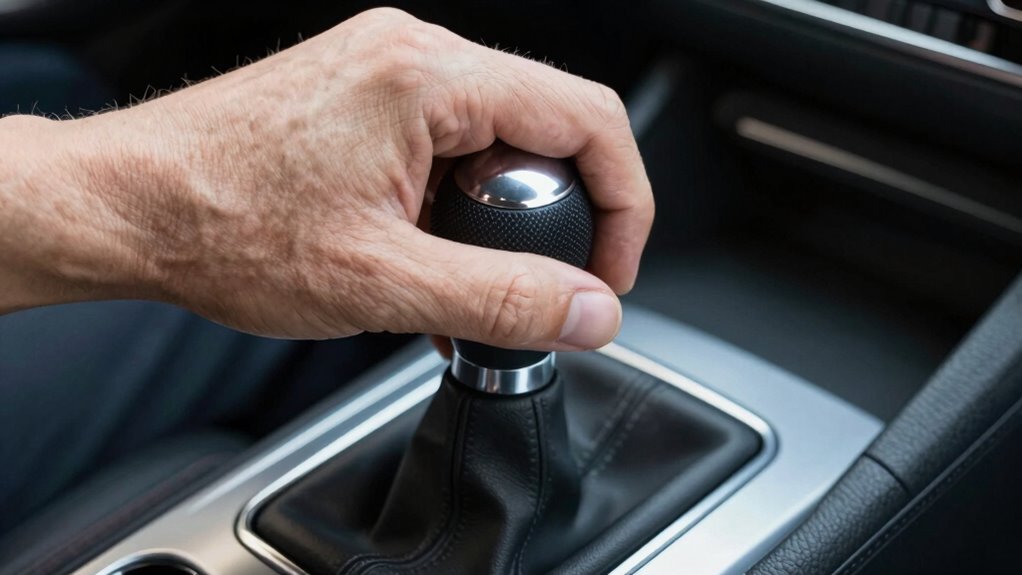
Have you ever wondered how to shift gears smoothly in a manual transmission? If your shifts feel notchy or resistant, the culprit might be a simple fix involving gear oil maintenance or clutch adjustment. When the transmission fluid isn’t properly maintained, it can cause the gears to grind or feel stiff, making each shift feel rough and inconsistent. Regularly checking and changing your gear oil ensures the transmission remains well-lubricated, reducing friction and preventing wear on internal components. If you notice the shifts becoming more difficult over time, it’s a good idea to inspect the gear oil’s condition. Old or contaminated fluid loses its lubricating properties, which can result in a notchy feeling when shifting. Changing the gear oil according to your vehicle’s recommended schedule can considerably improve shift smoothness and extend the life of your transmission.
Regular gear oil changes and clutch adjustments ensure smooth, notchy-free gear shifts in your manual transmission.
Another common cause of notchy shifts is improper clutch adjustment. The clutch pedal operates as a disengagement mechanism for the transmission; if it isn’t adjusted correctly, it won’t fully disengage the clutch when pressed. This partial engagement causes resistance and grinding during gear changes. You might notice that the pedal feels too high or too low, or that shifting requires more effort than usual. Adjusting the clutch pedal to ensure proper disengagement can make a noticeable difference. When you perform a clutch adjustment, you’re fundamentally fine-tuning the travel and feel of the pedal, allowing for smoother gear shifts and reducing the likelihood of gear grinding or notchiness.
In addition to gear oil maintenance and clutch adjustment, it’s important to be mindful of your shifting technique. Shifting too quickly or forcing the gear lever can exacerbate issues caused by fluid or clutch problems. Always ensure you’re fully pressing the clutch pedal to disengage the transmission before shifting. If you’re unsure about how to perform a clutch adjustment, consult your vehicle’s manual or seek professional help to avoid damaging the clutch or transmission.
Ultimately, addressing notchy shifts involves a combination of proper gear oil maintenance and ensuring your clutch functions correctly. Regularly inspecting and replacing your gear oil keeps the transmission fluid fresh and effective, while proper clutch adjustment guarantees smooth disengagement. When both are in good shape, you’ll experience more seamless gear changes and less frustration on the road. Remember, a little proactive maintenance goes a long way in keeping your manual transmission shifting effortlessly. Proper fluid quality is essential for smooth operation and longevity of your transmission components.
As an affiliate, we earn on qualifying purchases.
Frequently Asked Questions
Can Low Transmission Fluid Cause Notchy Shifts?
Yes, low transmission fluid can cause notchy shifts. When fluid levels are low, it can lead to clutch malfunction and gear grinding, making shifting feel rough and uneven. You might notice difficulty engaging gears or a stiff clutch pedal. To fix this, check and top off your transmission fluid. Proper fluid levels guarantee smooth operation and help prevent damage to internal components, keeping your shifts seamless.
How Often Should Manual Transmission Fluid Be Changed?
You might think you don’t need to change your manual transmission fluid often, but following the maintenance schedule is essential. Generally, you should change the fluid every 30,000 to 60,000 miles, depending on your vehicle. Regular fluid changes prevent notchy shifts and prolong transmission life. Don’t skip this maintenance—sticking to the recommended schedule keeps your shifts smooth and your transmission working reliably.
Are Synthetic Fluids Better for Shifting Performance?
Yes, synthetic fluids are better for shifting performance because they offer advantages like smoother shifts and better temperature stability. They are also more compatible with modern transmission components, reducing wear and tear. Synthetic fluids flow more easily at low temperatures and resist breaking down under high heat, which helps prevent notchy shifts. Overall, choosing a synthetic transmission fluid can improve your driving experience and extend your transmission’s lifespan.
What Are Signs of Contaminated Transmission Fluid?
You’ll notice contaminated transmission fluid through signs like rough clutch engagement and gear grinding. If shifting feels difficult or jerky, or if you hear grinding noises when changing gears, these are red flags. Dark, dirty fluid or a burnt smell also point to contamination. Regularly checking your fluid and replacing it as recommended can prevent these issues, ensuring smooth, notch-free shifts and a longer-lasting transmission.
Does Transmission Fluid Type Affect Shift Quality?
Yes, the type of transmission fluid affects shift quality because different fluids provide varying gear lubrication and fluid viscosity. Using the correct fluid guarantees smooth, precise shifts, reducing notchiness and gear grinding. If you choose the wrong fluid, it can lead to inadequate lubrication, increased friction, and notchy shifts. Always follow your vehicle manufacturer’s recommendations to maintain ideal shift performance and prolong transmission life.
As an affiliate, we earn on qualifying purchases.
Conclusion
Remember, when your shifts feel gritty or notchy, it’s like your transmission’s cry for help. Often, a simple fluid change can restore smoothness, proving that the tiniest details make the biggest difference. Don’t ignore the whispers of your car; they’re guiding you toward better performance. Like a well-tuned symphony, your manual transmission relies on harmony—so keep the fluid fresh and your driving seamless. After all, a well-maintained car is the key to endless journeys.
As an affiliate, we earn on qualifying purchases.
manual transmission shift repair
As an affiliate, we earn on qualifying purchases.
As an affiliate, we earn on qualifying purchases.
Fall Picks
fall essentials
As an affiliate, we earn on qualifying purchases.