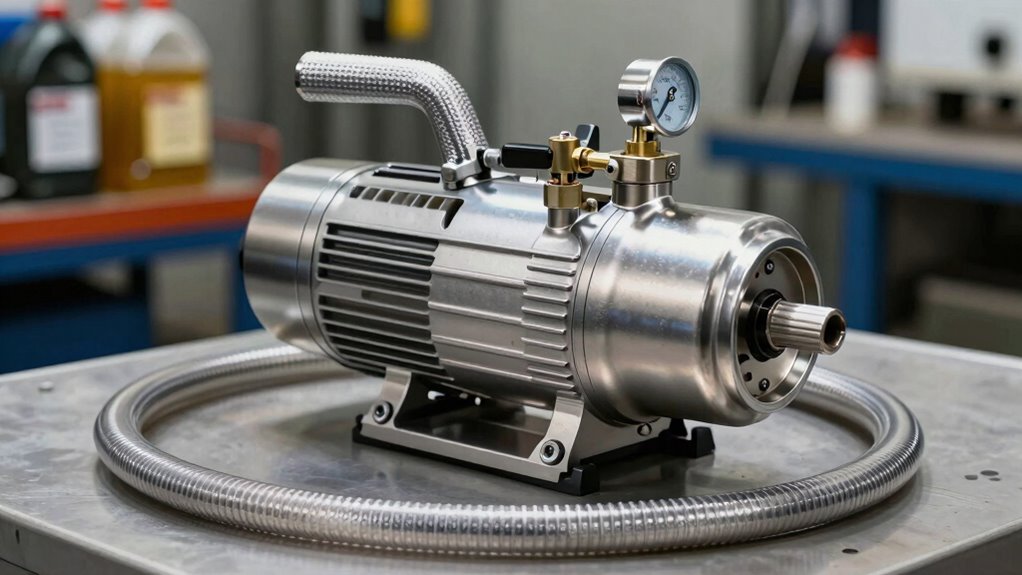

When choosing a high viscosity transfer pump for gear oil, the key considerations are flow capacity, build quality, and ease of use. The Goldstream Pumps WVO Designs Portable Oil Pump stands out as the overall best choice for its reliable performance and portability. For those needing a robust, industrial-grade option, the GPI L5132 Heavy Duty Oil Transfer Pump offers high power and durability. Readers face tradeoffs such as balancing flow rate against ease of maintenance and budget constraints. Continue reading for a detailed breakdown of each option and what makes them suitable for different needs.

Get business pricing on garage and car supplies
- Business-only prices and quantity discounts
- Tax-exempt purchasing
- Multiple users, one account, clear invoices
Complete the kit


Key Takeaways
- The top picks balance flow rate, durability, and ease of maintenance, with no single feature dominating all categories.
- Industrial-grade pumps tend to offer higher reliability but come at a higher price and complexity.
- Portability is a key factor for users needing to move the pump frequently, favoring smaller, lightweight designs.
- Material quality, especially stainless steel, significantly extends pump lifespan when handling high-viscosity gear oil.
- Tradeoffs often occur between flow capacity and control features like priming and suction height.


| high viscosity transfer pump for gear oil | Flow Rate | Motor Power | Voltage |
|---|---|---|---|
| Goldstream Pumps WVO Designs P | 12 GPM | 3/4 hp | 120V |
| Industrial Stainless Steel Gea | 30 liters per minute | — | — |
| GPI L5132 Heavy Duty Oil Trans | 8 GPM | 1 HP | 115/230V |
| Industrial Stainless Steel Gea | 30 liters per minute | 370W | — |
| Groz Heavy-Duty 115V Electric | 8 GPM | 1/2 HP | 115V |
| High Viscosity Fluid Transfer | 30 L/min | — | — |
| Heavy Duty Oil Transfer Pump f | 4 GPM | — | 115/230 Volt AC |
More Details on Our Top Picks
Goldstream Pumps WVO Designs Portable Oil Pump W2065, 12 GPM, Baldor
This portable pump excels in transferring thick oils quickly thanks to its robust 3/4hp Baldor motor and 12 GPM flow rate, making it ideal for mobile mechanics or boat owners needing rapid gear oil changes. Unlike heavier industrial models, its self-priming feature ensures easy startup even after long idle periods. While its high flow rate and durable build stand out, it’s limited to oils and not suited for water or other fluids, which narrows its versatility. The need for electrical power may restrict outdoor or remote use. Compared with the stainless steel gear pumps, this option offers better portability and higher flow but sacrifices some industrial robustness.
Pros:- High flow rate for quick oil transfer
- Self-priming for easy startup
- Durable, US-made Baldor motor
Cons:- Limited to thick oils, not water or thin liquids
- Requires electrical power, restricting outdoor use
Best for: Mobile mechanics or boat owners who need fast, reliable gear oil transfer on the go
Not ideal for: Industrial facilities requiring continuous, high-volume pumping of various fluids or outdoor use without power sources
- Flow Rate:12 GPM
- Motor Power:3/4 hp
- Voltage:120V
- Frequency:60Hz
- Ports:1″ NPT
- Hose Barbs:1.25″
Our verdict“This pump is best suited for mobile or small-scale applications where portability and high flow are priorities.”
Industrial Stainless Steel Gear Pump for High Viscosity Fluids, Edible and Hydraulic Oils, Self-Priming, Model 220
This stainless steel gear pump stands out for its industrial-grade durability and a solid 30 liters per minute flow rate, ideal for demanding applications involving hydraulic or edible oils. Its self-priming ability simplifies startup in challenging setups, and the 25mm bore allows it to handle thick, high-viscosity fluids efficiently. Unlike the more portable options, its weight and size mean it’s better suited to fixed installations where long-term operation outweighs portability. Compared to the GPI pump, it provides a higher flow rate and better corrosion resistance but at the expense of portability and ease of handling. Its stainless steel build offers long-lasting performance, but no specific long-term durability data is available.
Pros:- Self-priming for quick startup
- High flow and head capacity for deep or hard-to-reach applications
- Corrosion-resistant stainless steel construction
Cons:- Heavy weight makes mounting and handling more difficult
- Limited suitability for thin or water-like fluids
Best for: Industrial operators needing reliable, continuous high-viscosity fluid transfer in fixed locations
Not ideal for: DIY users or mobile setups where portability and lightweight design are essential
- Flow Rate:30 liters per minute
- Dimensions:170*380*260mm
- Suction Lift:4 meters
- Maximum Head:30 meters
- Caliber:25mm (1 inch)
- Power:370 watts
Our verdict“This pump is tailored for industrial settings where durability and high-volume transfer of viscous fluids are required.”
GPI L5132 Heavy Duty Oil Transfer Pump for High Viscosity Fluids, 8 GPM, 115/230 Volt AC
The GPI L5132 is designed for industrial applications involving high viscosity fluids like hydraulic oil and anti-freeze, offering a steady 8 GPM flow with a 1 HP motor that ensures robust performance. Its durable construction and adjustable suction pipe provide flexibility in various setups. Compared to the stainless steel pumps, it’s slightly less corrosion-resistant but more portable and easier to integrate into existing systems. While it excels in demanding environments, its heavy weight and lack of outdoor-specific features limit outdoor or mobile use. This pump is a solid choice for workshops needing reliable, continuous high-viscosity fluid transfer but may be overkill for small-scale or intermittent tasks.
Pros:- Suitable for high viscosity fluids like oil and hydraulic liquids
- Durable, thermally protected motor for long-term operation
- Adjustable suction pipe for versatile setup
Cons:- Heavy weight complicates transportation
- Limited outdoor or hazardous location suitability
Best for: Workshop or industrial environments requiring reliable, continuous high-viscosity fluid transfer
Not ideal for: Outdoor or mobile use where lighter, more portable options are preferred
- Flow Rate:8 GPM
- Voltage:115/230V
- Motor Power:1 HP
- Wetted Materials:aluminum, stainless steel, brass, steel, nitrile rubber
- Package Dimensions:18.8 x 15.5 x 12.4 inches
- Item Weight:40 pounds
Our verdict“This pump is ideal for industrial settings where durability and consistent high-viscosity transfer are key priorities.”
Industrial Stainless Steel Gear Pump for High Viscosity Fluids and Hydraulic Oil Transfer
This stainless steel gear pump offers a high vertical lift of up to 30 meters and self-priming up to 4 meters, making it suitable for vertical and demanding high-viscosity fluid applications. Its 30 liters per minute flow rate balances performance with energy efficiency thanks to a 370W motor. Compared with smaller portable pumps, its robust construction allows for continuous, heavy-duty operation in industrial environments. However, the limited info on long-term durability and its heavier weight could be drawbacks for those needing portable or lightweight solutions. Its versatility extends to food-grade options, but the lack of specific user reviews means potential reliability concerns.
Pros:- High vertical lift up to 30 meters
- Reliable self-priming up to 4 meters
- Energy-efficient motor for continuous use
Cons:- Limited long-term durability info
- Potentially heavy for portable applications
Best for: Industrial or food processing facilities needing vertical lift and high reliability for viscous fluids
Not ideal for: Small-scale or mobile operations where portability and quick deployment matter more than vertical lift
- Self-Priming:up to 4 meters
- Maximum Lift:30 meters
- Flow Rate:30 liters per minute
- Caliber:25mm (1 inch)
- Motor Power:370W
- Material:Stainless Steel
Our verdict“This pump is best suited for fixed, vertical, high-demand industrial applications involving viscous fluids.”
Groz Heavy-Duty 115V Electric Drum Pump, 8 GPM High-Flow Gear Oil Transfer Pump for 55-Gallon Drums
This drum pump delivers a substantial 8 GPM, making quick work of draining 55-gallon drums of gear oil or hydraulic fluids. Its durable aluminum body and self-priming operation provide reliability in industrial environments. Unlike smaller portable pumps, its design is optimized for stationary use with drums, not flexible handling. The inclusion of a complete set of fittings and hoses simplifies setup, but its maximum viscosity limit of SAE 90 means it’s not suitable for very thick or highly viscous oils. The pump’s reliance on standard 115V power and its size makes it less ideal for remote or outdoor applications, but it’s excellent for bulk transfer tasks.
Pros:- High flow rate speeds up large-volume transfers
- Durable, corrosion-resistant aluminum construction
- Complete kit with fittings and hoses
Cons:- Limited to oils up to SAE 90 viscosity
- Not suitable for water or non-oil fluids
Best for: Industrial facilities needing efficient, large-volume transfer from drums of gear oil
Not ideal for: Small workshops or outdoor settings requiring portable or lightweight solutions
- Flow Rate:8 GPM
- Voltage:115V
- Motor Power:1/2 HP
- Hose Length:8 feet
- Bung Size:2 inches
- Max Viscosity:SAE 90
Our verdict“This pump is perfect for bulk, stationary transfer of gear oil from drums in industrial settings.”
High Viscosity Fluid Transfer Gear Pump, 30 L/min, 4m Suction, 30m Head, Stainless Steel
This gear pump stands out for its robust stainless steel construction, making it ideal for demanding industrial environments where corrosion resistance is critical. While the Heavy Duty Oil Transfer Pump for High Viscosity Fluids offers portability and a lower power requirement, this model’s self-priming up to 4 meters and high lift capacity of 30 meters make it better suited for transferring fluids from deep tanks or reservoirs. Its flow rate of 30 L/min balances efficiency with reliability, but its weight of 8.5 kg limits ease of mobility. Compared to smaller, lightweight options, this pump prioritizes durability over portability, which could be a drawback for mobile applications. The 370 W power draw may not suit low-power setups, but for stationary, high-volume use, it excels.
Pros:- Self-priming up to 4 meters simplifies startup
- High lift capacity of 30 meters for deep tank transfer
- Corrosion-resistant stainless steel construction ensures long-term durability
- Efficient flow rate of 30 L/min boosts productivity
Cons:- Heavy weight may hinder portability and manual handling
- Limited to high-viscosity fluids, less effective with thin liquids
- Power consumption of 370 W may be high for some setups
Best for: Industrial operators needing reliable, high-lift transfer of high-viscosity fluids from deep tanks
Not ideal for: Small workshops or mobile setups where weight and portability are concerns
- Model:JG-301
- Suction:4 m
- Lift:30 m
- Calibre:25 mm
- Flow Rate:30 L/min
- Power:370 W
- Material:Stainless Steel
- Weight:8.5 kg
Our verdict“This pump is best suited for industrial users needing durable, high-lift transfer of heavy fluids from deep tanks, despite its weight and power demands.”
Heavy Duty Oil Transfer Pump for High Viscosity Fluids, 16 QPM/4 GPM, 115/230 Volt AC
This lightweight, corded electric pump provides a straightforward solution for transferring high-viscosity oils and hydraulic fluids in settings where mobility and quick setup are priorities. Unlike the High Viscosity Fluid Transfer Gear Pump, which offers higher flow and lift capacities, this pump’s 4 GPM flow rate and 0.5 HP motor make it ideal for smaller-scale operations or maintenance tasks. Its aluminum housing keeps weight down to just 4.1 pounds, making it easy to move around, but its limited flow rate and lack of deep suction capabilities restrict its use to less demanding applications. It does include all necessary accessories, simplifying setup, but its suitability diminishes outside controlled environments or for continuous high-volume transfer.
Pros:- Lightweight and portable for easy handling
- Durable aluminum housing withstands regular use
- Includes all necessary accessories for immediate setup
- Suitable for high viscosity fluids like oil and hydraulic liquids
Cons:- Limited flow rate of 4 GPM restricts high-volume applications
- Not designed for outdoor or hazardous environments
- Requires electrical power, limiting use in remote locations
Best for: Technicians or small workshops needing portable, quick-transfer solutions for high-viscosity oils
Not ideal for: Large-scale industrial operations or deep tank transfers where higher flow and lift are necessary
- Flow Rate:4 GPM
- Power Source:Corded Electric
- Horsepower:0.5 hp
- Material:Aluminum
- Voltage:115/230 Volt AC
- Weight:4.1 pounds
Our verdict“This pump excels for mobile, small-scale tasks requiring high-viscosity fluid transfer in a controlled environment, but it isn’t suited for large or deep tank operations.”

How We Picked
These products were evaluated based on a combination of performance metrics, build quality, ease of operation, maintenance requirements, and value for money. Flow rate and suction capability were prioritized since they directly impact practical use with gear oil. We also considered construction materials for durability, especially for high viscosity fluids. The selection includes a mix of industrial and portable options, ranked to match different user priorities, from professional workshops to DIY enthusiasts. Our goal was to identify pumps that reliably handle gear oil viscosity without sacrificing usability or longevity.Factors to Consider When Choosing High Viscosity Transfer Pump For Gear Oil
Choosing the right high viscosity transfer pump for gear oil requires understanding several critical factors. Beyond basic flow capacity, you need to consider durability, ease of priming, material compatibility, and power sources. Making the right tradeoffs can save you time and money, especially when dealing with viscous fluids that challenge lesser pumps. This guide covers key considerations to help you pick a pump that matches your specific application and operational environment.Flow Rate and Suction Height
The flow rate determines how quickly you can transfer gear oil, with higher GPM ratings speeding up larger jobs. However, a higher flow rate often requires more powerful motors and can increase the complexity of managing flow control. Suction height, or how high the pump can draw fluid, is especially important for high viscosity oils that resist flow. Ensuring the pump can handle your specific tank height and transfer volume prevents delays and frustration.
Material Compatibility and Durability
Stainless steel components are preferable for gear oil due to their resistance to corrosion and abrasion, extending the pump’s lifespan. Cheaper materials may degrade quickly when exposed to high-viscosity fluids, leading to leaks or failure. Investing in robust materials can reduce long-term maintenance costs, though often at a higher initial price. Consider your operational environment and choose a pump designed for the chemical properties of gear oil.
Power Source and Portability
Electric pumps powered by 115V or 230V outlets are common, but portable models with lighter weight and manageable cord lengths offer flexibility on job sites. For remote locations, air-powered or hydraulic pumps might be necessary, though these add complexity. Balance your need for portability with power requirements to ensure the pump fits your workspace and workflow.
Ease of Maintenance and Priming
Pumps that are easy to prime and disassemble save time and reduce operational downtime, especially when dealing with high-viscosity fluids that require thorough priming. Look for models with transparent sight glasses, accessible fittings, and straightforward cleaning procedures. Complex or hard-to-maintain pumps can become problematic over time, especially in continuous use scenarios.
Cost vs. Longevity
While budget models may seem attractive initially, they often lack durability and may require frequent repairs or replacements. Higher-quality pumps, though more expensive upfront, provide better performance and longer service life, especially under demanding conditions like gear oil transfer. Consider your volume needs and how much you’re willing to invest upfront to avoid ongoing costs.
Frequently Asked Questions
Can I use a standard transfer pump for gear oil?
Using a standard transfer pump not designed for high viscosity fluids like gear oil can lead to poor performance and damage. Gear oil’s thickness requires a pump with specialized gear mechanisms, materials resistant to wear, and sufficient flow capacity. Relying on a pump not rated for high-viscosity fluids risks breakdowns, leaks, and inefficient transfer, making a dedicated high viscosity pump a prudent investment.
What safety features should I look for in a gear oil transfer pump?
Safety features such as automatic shutoff, pressure relief valves, and grounding are important when working with viscous and potentially flammable fluids like gear oil. These features prevent overpressure, electrical hazards, and spillage, protecting both the operator and the environment. Choosing a pump with clear safety certifications and reliable controls reduces the likelihood of accidents during operation.
How often should I perform maintenance on a high viscosity transfer pump?
Regular maintenance depends on usage frequency, but a good rule is to inspect and clean the pump after each significant use or weekly if used daily. Lubricating moving parts, checking seals, and replacing worn components extend the lifespan. Proper maintenance minimizes downtime and ensures consistent performance, especially when transferring thick oils that can stress pump components.
Is a portable pump suitable for large-scale gear oil transfer?
Portable pumps are ideal for small to medium tasks or when mobility is essential. However, for large-scale or continuous transfer operations, industrial-grade stationary pumps with higher flow rates and robust construction are more suitable. Portable models tend to have lower capacity and may not withstand prolonged use in demanding environments, making them less ideal for high-volume jobs.
How do I know if a pump can handle the viscosity of my gear oil?
Check the pump’s maximum viscosity rating and flow specifications provided by the manufacturer. Pumps designed for high viscosity fluids will specify the maximum viscosity they can handle, often expressed in centistokes or cP. Ensuring your gear oil’s viscosity falls within these limits guarantees efficient transfer without overloading the pump, reducing wear and risk of failure.
Conclusion
For most users, especially those needing reliable and efficient gear oil transfer, the Goldstream Pumps WVO Designs Portable Oil Pump offers a versatile, all-around solution. If your focus is on high-volume, industrial-scale transfer, the GPI L5132 Heavy Duty Oil Transfer Pump stands out as the best premium choice. Beginners and DIY enthusiasts will benefit from compact and straightforward models like the Groz Heavy-Duty 115V Electric Drum Pump. For budget-conscious buyers seeking good performance without breaking the bank, more affordable stainless steel options provide solid value. Ultimately, your choice depends on your flow needs, portability requirements, and budget constraints, but these picks cover all key scenarios.
As an affiliate, we earn on qualifying purchases.Halloween Picks
halloween