TL;DR

Get business pricing on garage and car supplies
- Business-only prices and quantity discounts
- Tax-exempt purchasing
- Multiple users, one account, clear invoices
Mercedes-Benz has described a holographic windshield display it is considering for future production models. A dashboard projector and specially laminated glass would show selected content, but the company has not confirmed a production model, timing or final feature set.
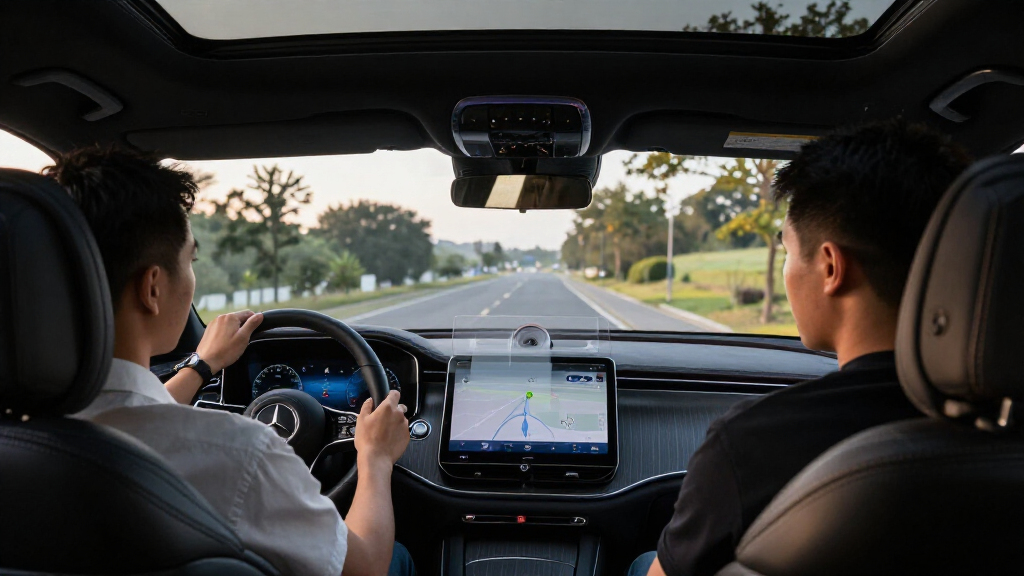
Mercedes-Benz is considering a holographic display that would project selected information onto a vehicle’s windshield, adding a new screen surface to future production models. The company says the concept uses a dashboard-mounted projector and specially laminated glass, but has not said whether or when the system will reach a production car.
According to a Mercedes-Benz press release, the windshield would incorporate laminated glass with “holographic optical elements.” Those elements selectively reflect light from the projector to form images on the glass. Mercedes says the projected light is concentrated so the content remains visible in direct sunlight.
The system is designed to control which content is visible from different viewing angles: the driver would not see what is displayed on the passenger’s side, and the passenger would not see the driver’s content. Mercedes has suggested uses including navigation, points of interest and video. The projection itself does not permanently cover the glass, so the display can be absent when it is not in use.
The windshield concept was one of several technologies Mercedes said it is considering. The company also presented LED projection for rear-window warning messages and a power converter intended to manage current flow at the individual-cell level in EV battery packs. The announcement did not establish that any of these features are approved for a particular production vehicle.
More Display Space, More Distraction Questions
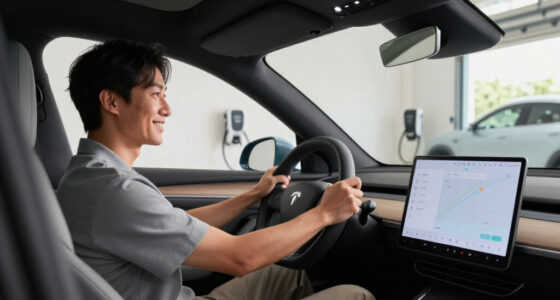
A windshield display could provide more room for navigation and passenger entertainment without adding another physical screen to the dashboard. Separating what the driver and passenger can see may also allow passengers to view content without showing it to the driver, according to Mercedes’ description.
But putting images across more of the windshield raises questions about driver attention and visibility. Mercedes has described angle controls and projection that can be switched off; it has not provided independent testing, safety findings or details about how the system would limit content while the vehicle is moving. Those details will matter to drivers and regulators if the idea advances beyond consideration.
The proposal also arrives after years of automakers adding large displays to cabins and amid criticism of overly screen-heavy interiors. A projected image is a different hardware approach, but it still places digital content in the driver’s field of view. Whether customers want that, and how it would be managed safely, remains unresolved.
Products Worth Considering

VANTRUE POWER JS3 3250A Car Jump Starter with 160 PSI Air Compressor

Autel MaxiSYS MS906 MAX Automotive Diagnostic Scanner, 10.1-Inch

Autel MaxiCheck MX808S Bidirectional OBD2 Diagnostic Scanner
As an affiliate, we earn on qualifying purchases.
A Projection-Based Screen Concept
Mercedes’ proposal builds on technology familiar from head-up displays, which project driving information into a driver’s view. The company’s stated concept goes further by using a larger portion of the windshield and allowing content on the passenger side as well. Because the image is projected onto specially treated glass rather than fixed to the surface, Mercedes says the windshield can remain clear when the display is not active.
The idea is not unique to Mercedes. In a 2024 interview cited by The Drive, Nissan design chief Alfonso Albaisa predicted that the windshield would become a screen, arguing that people may want access to digital content in cars even if they dislike screens and digital interfaces. Apple also filed a patent application for similar technology in 2023, before ending its much-discussed electric-vehicle project. A patent filing or design prediction does not establish that a company will put a system into production.
Mercedes’ other two concepts point to additional areas of vehicle design. The company described rear-window LED projections for warning messages, comparable in purpose to programmable lighting features offered by some other automakers, and a converter for managing EV battery current at cell level. The announcement gives no launch schedule for those technologies either.
““holographic optical elements””
— Mercedes-Benz, in its press release
Production Plans and Safety Details
Mercedes has not announced a vehicle, price, release date or production commitment for the holographic display. It has not specified how much of the windshield could show content, what information would be available to the driver, or whether video would be restricted while driving.
The company’s statements about visibility in sunlight and separating driver and passenger views are its own descriptions; the announcement provides no independent test results. It is also unclear how the system would handle glare, changing light, display failures, driver distraction or applicable safety requirements. The status and expected timing of the rear-window projection and EV power converter are likewise not specified.
Awaiting a Production Decision
The next meaningful milestone would be a Mercedes announcement connecting the concept to a named production vehicle, with details on timing, markets and available functions. Until then, the windshield display remains a technology under consideration rather than a confirmed feature buyers can order.
Any production plan would also need to clarify how the display behaves while driving and what safeguards govern driver-facing content. Mercedes has not announced a date for further information, so the status of the windshield concept and the two other technologies remains open.
Key Questions
Has Mercedes confirmed that the windshield display will be sold?
No. Mercedes has described it as a technology it is considering for future production models, without naming a vehicle or confirming production.
How would the projected windshield display work?
Mercedes says a projector in the dashboard would send light to holographic optical elements in specially laminated windshield glass, creating visible images without a permanent screen on the glass.
What could appear on the windshield?
Mercedes has suggested navigation, points of interest and videos. The company has not provided a final list of content or explained how driver-facing information would be limited while driving.
Can the driver see the passenger’s display?
Mercedes says the system can control visibility by viewing angle, so the driver and passenger would not see each other’s content. The company has not released independent test results for that feature.
When could the system reach a car?
No launch date or production vehicle has been announced. The concept remains under consideration, and its production timing is unknown.
Source: thedrive.com