TL;DR
The source material is a technical history of Citroën’s hydropneumatic suspension, not a report of a new announcement or current event. It describes how pressurised hydraulic fluid and nitrogen spheres enabled self-levelling suspension and, in some models, powered steering, braking, clutch and gear changes; it also traces early reliability problems and later improvements.
A supplied technical history of Citroën’s hydropneumatic system traces how the automaker used pressurised hydraulics and nitrogen-filled spheres to create self-levelling suspension, beginning with a 1954 Traction Avant prototype and reaching production in the 1955 DS 19. The material is a retrospective guide, not a report of a new model or company announcement; it also describes how the system later powered other vehicle functions and gained electronic control.

Get business pricing on garage and car supplies
- Business-only prices and quantity discounts
- Tax-exempt purchasing
- Multiple users, one account, clear invoices
The system uses compressed nitrogen as the spring and hydraulic fluid to transmit force, provide damping and adjust ride height. An engine-driven pump pressurises the fluid. The design can respond to changes in vehicle load by bringing the body back to its set height, while driver-selected height settings can assist with tasks such as changing a wheel, according to the supplied Citroën technical history hosted by Citroenet.org.uk.
In the system described for the Xantia, suspension spheres sit above the front struts and lie horizontally at the rear. A height corrector connected to the anti-roll bar detects when the body moves under load and opens a valve to admit pressurised fluid into the suspension strut. This extends the strut until the car returns to its intended ride height.
The hydraulic system did more than support suspension. The source says the DS used it for steering, braking, clutch operation and gear changes. Later Hydractive systems added electronic management: sensors supplied information on vehicle movement and driver inputs to an onboard computer, which could switch between softer and firmer suspension settings. On some Xantia models, the Activa system added hydraulic jacks intended to counter body roll.
How Hydraulics Changed the Ride
The design matters because it linked suspension comfort with automatic load compensation. Rather than relying only on conventional metal springs, Citroën’s system used gas for springing and fluid for control. The source describes the result as a soft ride with controlled handling, while the self-levelling function helped keep the vehicle at its intended height as loads changed.
Its wider role also helps explain why the system became closely associated with the marque. On the DS, a shared hydraulic power source operated several major controls, while later electronic versions adjusted suspension behaviour in response to driving conditions. That integration brought distinct capabilities, but it also meant owners and mechanics had to understand a system more involved than a conventional suspension layout.
For readers considering an older Citroën, the history is practical as well as technical: the source records early fluid and sealing troubles, followed by a change in hydraulic fluid that improved reliability. It does not provide present-day maintenance instructions or diagnose any particular car, so its account should not substitute for an inspection by a qualified mechanic.
Products Worth Considering

Chemical Guys 14-Piece Arsenal Builder Car Wash Kit with Foam Blaster

Chemical Guys Arsenal Builder Car Wash Kit with Foam Cannon and Carry Bag

Nextbase 222 1080p HD Dash Cam with 140° Viewing Angle
As an affiliate, we earn on qualifying purchases.
From Traction Avant to Hydractive
Citroën first showed hydropneumatic suspension on the rear of the 15CV H Traction Avant in 1954. The production DS 19 followed in 1955. The source connects the development to poor French road conditions in the early 1950s and the engineering challenge of maintaining comfort and speed over uneven surfaces.
The system later appeared in models including the GS, SM, CX, BX, XM and Xantia, as well as most C5 models and the C6, according to the supplied overview. Applications and features varied by model and specification, so the list does not mean every car had identical hydraulic equipment.
Electronic control arrived with the XM’s Hydractive suspension, as described by the source. Later versions used sensors and a computer to select between soft and firm settings. The source also notes that hydraulic suspension technology was used under licence by some Rolls-Royce and Mercedes-Benz models, and that it appeared in other Citroën prototypes and vehicles.
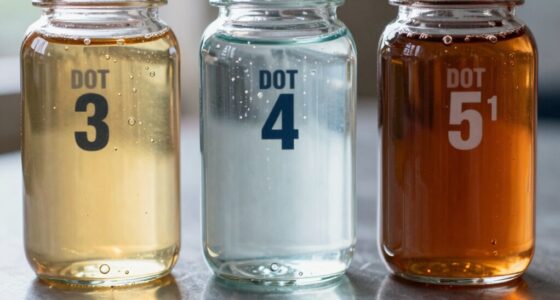
The history was not trouble-free. The report says early DS systems suffered from seal problems and from the original fluid’s tendency to absorb water, which contributed to oxidation and leaks. It says LHS improved matters and that the later mineral hydraulic fluid, LHM, made the system thoroughly reliable. These are historical claims from the supplied account, not a guarantee about the condition of any surviving vehicle.
“The gas acts as the springing medium while the hydraulic fluid does all the clever things such as providing damping and levelling.”
— Citroenet.org.uk technical history
What the Historical Account Leaves Open
The source is a broad technical and historical overview, not a current Citroën statement. It does not give a publication date for the material provided, report a new development, or establish the status of any current vehicle programme involving hydropneumatic suspension. It also does not supply model-by-model specifications, service intervals, repair costs or failure rates.
Its broad reliability description should be read alongside its account of early problems, not as a promise that every system is trouble-free. The condition of an individual vehicle depends on its model, components, fluid and maintenance history; none of those details can be determined from this overview.
Checking a Specific Citroën
No follow-up announcement or next milestone is identified in the supplied material. Readers researching a particular car should confirm its model year, equipment and correct hydraulic-fluid requirements using model-specific documentation, then have the system inspected by a mechanic familiar with Citroën hydraulics. Any suspected hydraulic leak, braking fault or steering problem warrants prompt professional attention; the historical account alone cannot establish whether a vehicle is safe to drive.
Key Questions
What makes Citroën hydropneumatic suspension different?
It uses compressed nitrogen in spheres as the spring and pressurised hydraulic fluid to transmit force, damp movement and adjust ride height. An engine-driven pump supplies hydraulic pressure.
Which Citroën models used the system?
The supplied history lists the DS, GS, SM, CX, BX, XM and Xantia, along with most C5 models and the C6. Equipment differed by model and version, so a model’s name alone does not confirm its exact system.
What was Hydractive?
Hydractive added electronic control to the suspension. The source says sensors fed information to an onboard computer, which could switch between softer and firmer modes.
Why did early systems have reliability problems?
The source reports seal problems and an early hydraulic fluid that absorbed water, contributing to oxidation and leaks. It says later fluid changes, including the introduction of mineral-oil LHM in the mid-1960s, improved reliability.
Source: citroenet.org.uk