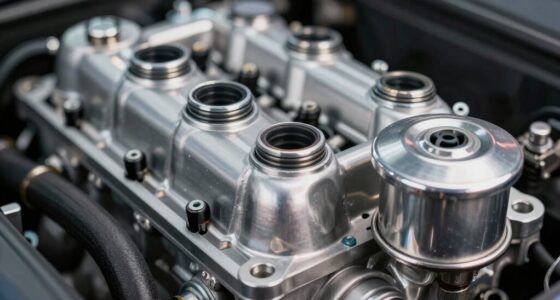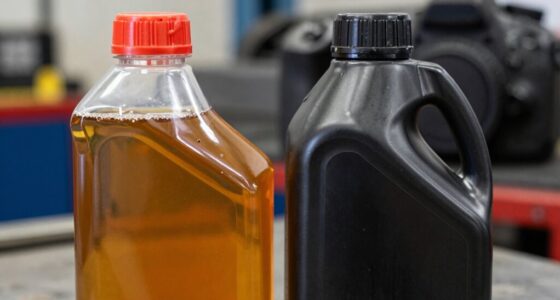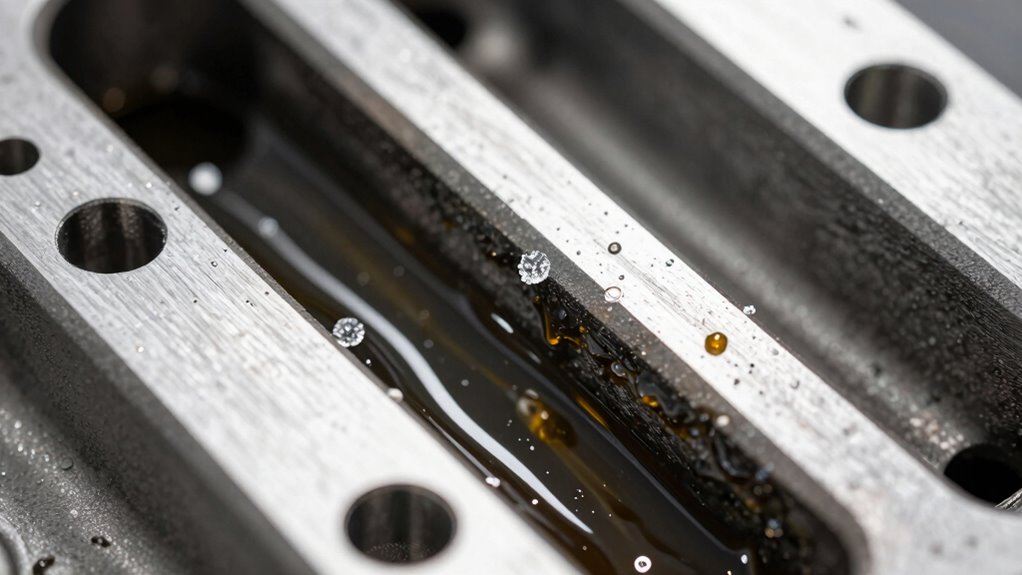

Using traditional break-in additives with modern engine oils can cause compatibility issues, as these additives may disrupt the oil’s advanced formulas. They might neutralize or interfere with essential protective compounds, reducing lubrication and increasing wear during the critical initial engine run. This can lead to deposits or damage over time. To protect your engine effectively, it’s best to stick with manufacturer-approved oils; if you’re curious about how additives could affect your engine, there’s more to examine.
Key Takeaways
- Break-in additives can neutralize or interfere with modern oil additives, reducing overall engine protection.
- They may cause chemical reactions that lead to deposits or reduced lubrication in advanced synthetic oils.
- Certain additives contain friction modifiers incompatible with synthetic oils, disrupting proper engine break-in.
- Using incompatible additives risks thickening the oil, impairing flow, and potentially damaging engine components.
- Modern oils are formulated to support break-in without additives, so using them can compromise oil performance and engine longevity.

Break-in additives are specially formulated engine treatments designed to protect new or freshly rebuilt engines during their initial run-in period. When you’re breaking in a new engine, your goal is to guarantee the metal surfaces seat properly, minimizing wear and maximizing longevity. These additives often contain special compounds that help smooth out the rough edges created during manufacturing or rebuilding. However, the way they interact with modern engine oil formulations can be a concern. Many traditional break-in additives are designed based on older oil technologies, which means they might not be compatible with today’s synthetic or advanced mineral oils.
Engine oil formulations have evolved markedly over the years. Modern oils contain a complex mix of base oils, detergents, dispersants, friction modifiers, and anti-wear additives. These components work together to keep your engine clean, reduce friction, and protect against wear. When you introduce a break-in additive into the mix, you run the risk of disrupting this delicate balance. Compatibility issues can arise if the additive interacts negatively with the oil’s additives, leading to diminished protective qualities or even the formation of harmful deposits. For example, some break-in additives contain friction modifiers or high concentrations of certain compounds that may neutralize or interfere with the anti-wear properties of synthetic oils.
Understanding additive compatibility becomes vital when selecting a treatment for your engine. Not all additives are created equal, and some may be formulated specifically for conventional oils, while others are compatible with synthetics. Before pouring in a break-in additive, check the product label and manufacturer recommendations. Many modern oils are formulated to work without additional treatments, especially during the critical break-in period. Adding incompatible additives can cause issues such as oil thickening, reduced lubrication, or even engine damage. It’s best to choose additives that are explicitly compatible with your engine oil formulation, or better yet, follow the manufacturer’s advice on breaking in a new engine without additives.
In many cases, the best approach is to use high-quality, manufacturer-approved oils during the break-in period. This ensures that the engine’s surfaces seat properly without risking adverse chemical reactions. If you’re considering an additive, consult with the engine or additive manufacturer first. They can provide insights into compatibility with your specific oil formulation. Overall, while break-in additives can offer benefits, they should be used cautiously. Guaranteeing additive compatibility with your engine oil formulation is key to protecting your engine’s initial run-in phase and preventing long-term issues. Additionally, always consider the potential impact of additive interactions on your engine’s performance to avoid unforeseen complications.

Lucas Oil 10063 Engine Break in Oil Additive w/TB Zinc Plus – 16 Ounce
Exclusive blend of extreme pressure additives designed for new motors and those with flat tappet camshafts
As an affiliate, we earn on qualifying purchases.
As an affiliate, we earn on qualifying purchases.
Frequently Asked Questions
Are Break-In Additives Necessary for Modern Engines?
You don’t need break-in additives for modern engines. Many break-in additive myths suggest they’re essential, but today’s engines and oils are designed for smooth bedding-in without extra products. Modern engine compatibility means you can follow the manufacturer’s break-in procedures without relying on additives. Using them might even interfere with ideal lubrication and performance. Stick to recommended oil changes and proper break-in methods for a healthy, long-lasting engine.
How Do Break-In Additives Affect Oil Change Intervals?
Break-in additives can shorten your oil change intervals because they may affect oil compatibility and cause faster oil breakdown. Their performance might lead to increased contaminants or additive depletion, making it necessary to change your oil more frequently. If you use these additives, monitor oil condition closely and follow manufacturer recommendations. Skipping or delaying oil changes can harm engine health, so stay vigilant about oil quality and change schedules.
Can Break-In Additives Damage Catalytic Converters?
Break-in additives can potentially damage catalytic converters if they’re not catalytically compatible. These additives may leave behind additive residue that clogs or coats the converter’s catalysts, reducing efficiency. Over time, this can lead to increased emissions or failure. To avoid this, always choose compatible oils and additives recommended by your vehicle manufacturer, especially during break-in periods, to prevent catalytic converter damage and guarantee ideal emissions system performance.
Are Break-In Additives Compatible With Synthetic Oils?
If you add a break-in additive to synthetic oil, it might not be fully compatible, reducing additive effectiveness. For example, a car owner used a traditional additive with synthetic oil, and the engine didn’t perform as expected. Generally, break-in additives aren’t designed for synthetic oils, so check for synthetic compatibility before use. This guarantees you get the best protection without risking potential damage or reduced additive performance.
Do Break-In Additives Improve Engine Longevity?
Break-in additives can help improve engine longevity by reducing initial engine wear, but their effectiveness varies. They create a protective film on metal surfaces, which minimizes friction during the critical break-in period. However, if not used correctly or if the additive isn’t compatible with your engine, it may not deliver the desired benefits. Always follow manufacturer recommendations to guarantee additive effectiveness and maximize engine longevity.
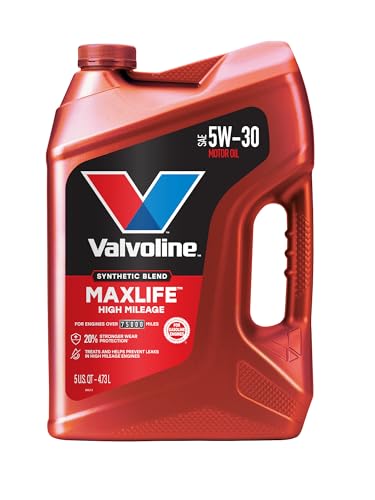
Valvoline MaxLife High Mileage 5W-30 Synthetic Blend Motor Oil 5 Quart
Formulated for engines with 75,000 miles or more, Valvoline MaxLife High Mileage synthetic blend is formulated with seal…
As an affiliate, we earn on qualifying purchases.
As an affiliate, we earn on qualifying purchases.
Conclusion
Think of break-in additives as the rookie guide in a busy city. They might help you navigate the initial streets, but if you rely on them too long, they can block the main roads, causing traffic jams in your engine’s performance. Modern oils are like seasoned drivers—they already know the best routes to keep everything running smoothly. Stick with them, and your engine will cruise effortlessly, avoiding the detours that break-in additives can create.

Liqui Moly MoS2 Anti-Friction Engine Treatment | 300 ml | Oil additive | SKU: 2009
Motor oil additive – Liqui Moly MoS2 anti-friction (300 ml. Can).Fit Type: Universal
As an affiliate, we earn on qualifying purchases.
As an affiliate, we earn on qualifying purchases.

STP Premium Small Engine 4 Cycle Oil Formula, SAE10W-30 Small Engine Oil Engine Care Formula Reduces Wear for Lawnmower, Push Mower, Tractor, 32 Oz, STP
SAE 10W-30 MOTOR OIL FOR SMALL ENGINES: One 32 fl oz bottle of STP Premium Synthetic Blend 4…
As an affiliate, we earn on qualifying purchases.
As an affiliate, we earn on qualifying purchases.