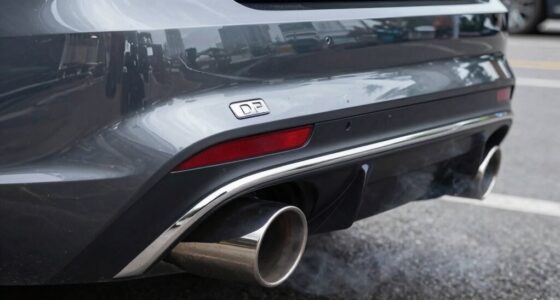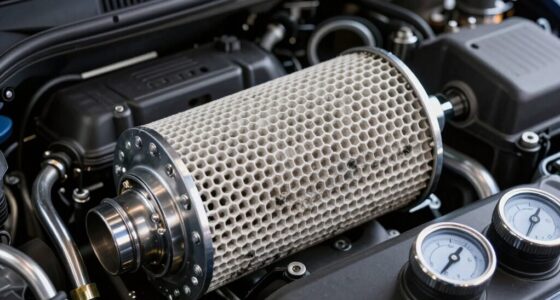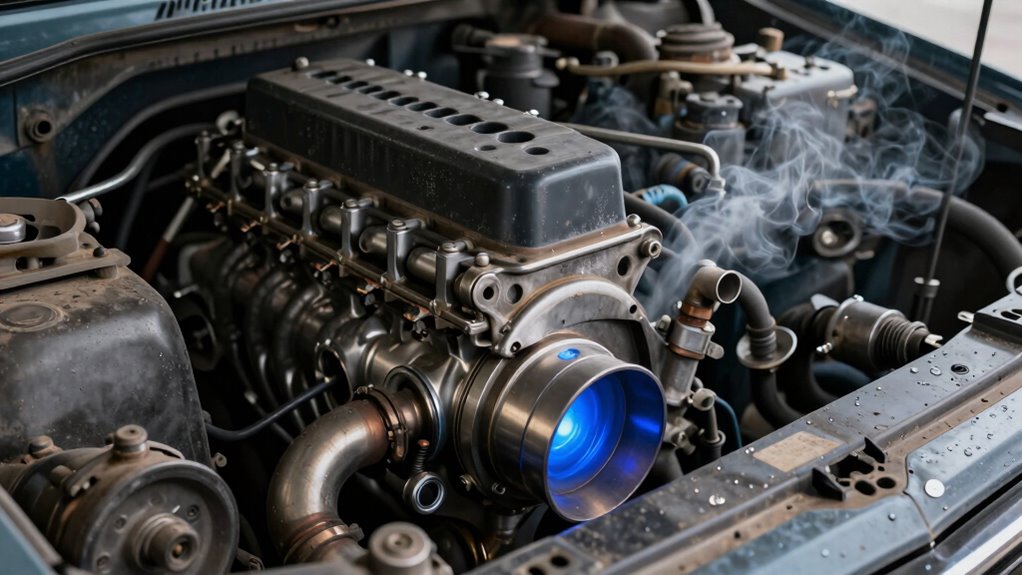

Fuel dilution harms your DPF regeneration by contaminating your engine oil, which increases soot buildup and hampers emission control. When fuel mixes with oil, it thins the lubricant and causes deposits that clog the DPF faster. This can lead to inefficient regeneration, higher backpressure, and even engine or filter damage. Many drivers overlook these signs, but understanding this connection can help you prevent costly repairs—stay with us to uncover more hidden details.

Get business pricing on garage and car supplies
- Business-only prices and quantity discounts
- Tax-exempt purchasing
- Multiple users, one account, clear invoices
Key Takeaways
- Fuel dilution contaminates engine oil, reducing its lubricating properties and increasing soot and hydrocarbons reaching the DPF.
- Excess fuel in oil hampers DPF regeneration by raising soot levels, causing frequent clogging and regeneration failures.
- Fuel dilution weakens engine efficiency, leading to incomplete combustion and increased emissions, stressing the DPF system.
- Contaminated oil and increased soot cause DPF overload, hindering its ability to regenerate properly, risking premature clogging.
- Addressing fuel dilution early maintains cleaner oil, supports effective DPF regeneration, and prevents costly repairs and emissions violations.
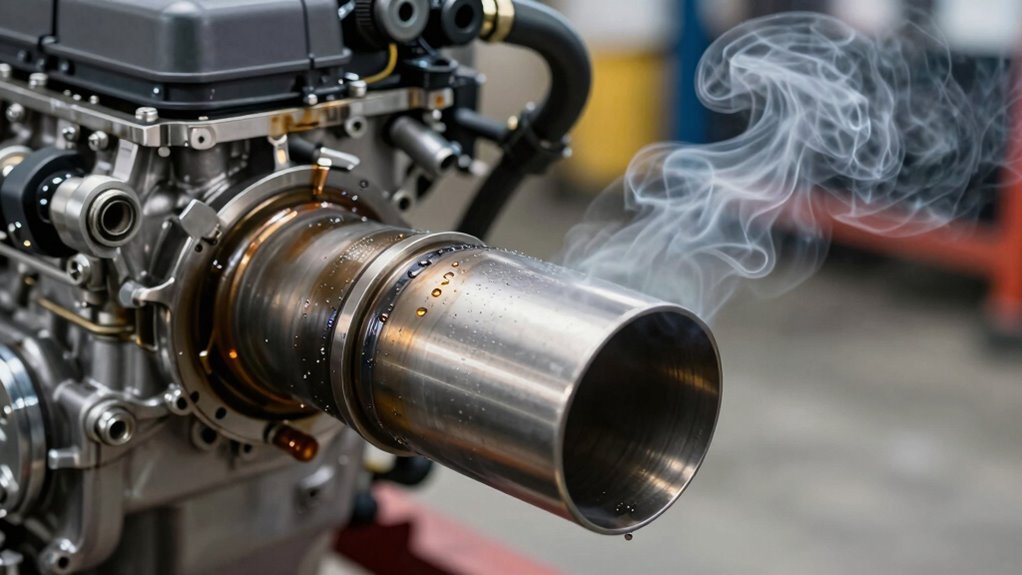
Diesel Particulate Filters (DPFs) are essential for reducing emissions, but their performance can be compromised by fuel dilution. When fuel mixes with your engine oil, it causes contamination that can directly impact the DPF’s efficiency and longevity. Fuel dilution occurs when unburned or partially burned fuel seeps past piston rings or valve seals, especially during short trips, frequent idling, or incomplete combustion. This contaminated oil thins out, losing its protective qualities, and introduces hydrocarbons and soot into the engine. As a result, your engine oil becomes less effective at lubricating engine parts, which can accelerate wear and lead to increased deposits within the engine. These deposits can clog the oil passages and contribute to engine knocking, ultimately affecting overall engine health.
Fuel dilution in engine oil harms DPF efficiency and shortens filter lifespan.
The contamination doesn’t stay confined to the engine alone; it has a ripple effect on your emission system, particularly the DPF. Fuel dilution increases the amount of hydrocarbons and soot that reach the DPF, which must work harder to trap these particles. Over time, this overload can cause the DPF to clog prematurely, making regeneration more difficult or less effective. When the DPF can’t regenerate properly, it may lead to increased backpressure, reduced fuel efficiency, and even engine warning lights. This cycle of contamination and reduced filtration efficiency creates a vicious circle where the emission system’s impact becomes more pronounced, requiring costly repairs or replacements.
You might not notice the signs right away, but fuel dilution’s effects are insidious. Elevated engine oil levels, darker or thinner oil, and increased exhaust smoke can all point to oil contamination. If you ignore these symptoms, the reduced performance of your emission system could lead to non-compliance with emission standards, resulting in potential fines and environmental harm. Regular oil analysis and maintenance are crucial to detect early signs of fuel dilution. Ensuring proper engine operation, avoiding short trips, and using high-quality fuel and oil can help minimize fuel dilution and its negative impact on your emission system, including the DPF.
In the end, understanding the connection between engine oil contamination and the emission system’s health is vital. Fuel dilution doesn’t just affect your engine’s internal components; it also hampers the DPF’s ability to do its job, risking costly repairs and environmental penalties. Staying vigilant about oil condition and addressing early signs of fuel dilution allows you to keep your vehicle running smoothly, emissions compliant, and your DPF functioning at its best.
engine oil test kit for fuel dilution
As an affiliate, we earn on qualifying purchases.
As an affiliate, we earn on qualifying purchases.
Frequently Asked Questions
Can Fuel Dilution Cause Long-Term Engine Damage?
Yes, fuel dilution can cause long-term engine damage. When fuel mixes with engine oil, it leads to engine oil contamination, reducing its lubricating properties. This increases piston wear and accelerates engine component deterioration. Over time, the engine’s efficiency drops, and repairs become necessary. Regularly checking for fuel dilution and maintaining proper oil levels helps prevent these issues, ensuring your engine stays healthy and runs smoothly longer.
How Can I Prevent Fuel Dilution During DPF Regeneration?
Ever wondered how to stop fuel dilution during DPF regeneration? You can prevent it by maintaining your fuel system properly, ensuring injectors are clean, and using quality fuel. Avoid excessive idling and short trips, which can cause incomplete regeneration. This helps reduce engine wear and minimizes fuel entering the oil. Regular maintenance and monitoring engine performance are key to protecting your engine from long-term damage caused by fuel dilution during regeneration.
What Are the Signs of Excessive Fuel in the DPF?
You’ll notice signs of excessive fuel in the DPF through a strong fuel odor and increased smoke emissions. You might also see the engine running rough or experiencing reduced power. If you detect these signs, it’s a clear indication that fuel dilution is happening, which can harm your vehicle’s performance. Addressing these issues promptly helps prevent further damage and keeps your engine running smoothly.
Does Fuel Quality Affect DPF Regeneration Efficiency?
Yes, fuel quality affects DPF regeneration efficiency. When your fuel contains poor additives or lacks fuel stability, it can cause incomplete combustion and lead to carbon buildup in the DPF. Using high-quality fuel with proper fuel additives guarantees cleaner burning and more effective regeneration. Always opt for stable fuel to prevent issues like fuel dilution, which can hinder your DPF’s performance and increase maintenance needs.
Are There Specific Driving Habits That Reduce Fuel Dilution Risk?
Think of your driving habits as the heartbeat of your engine’s health. To reduce fuel dilution risk, practice eco-friendly driving—accelerate smoothly, avoid sudden stops, and maintain steady speeds. Focus on engine temperature management by warming up your engine properly and not pushing it too hard when cold. These habits help keep your engine running at ideal temps, preventing excess fuel from diluting oil and safeguarding your DPF.
DPF cleaning and regeneration products
As an affiliate, we earn on qualifying purchases.
As an affiliate, we earn on qualifying purchases.
Conclusion
Understanding the link between DPF regeneration and fuel dilution helps you catch issues before they escalate. By paying attention to symptoms and maintenance, you can prevent costly repairs and keep your engine running smoothly. Don’t you want to make certain your vehicle performs at its best and avoids unnecessary damage? Staying informed about these hidden connections empowers you to take control, making each drive safer and more efficient. Isn’t that worth the extra attention?
diesel engine oil with high detergent
As an affiliate, we earn on qualifying purchases.
As an affiliate, we earn on qualifying purchases.
fuel system cleaner for diesel engines
As an affiliate, we earn on qualifying purchases.
As an affiliate, we earn on qualifying purchases.
Fall Picks
fall essentials
As an affiliate, we earn on qualifying purchases.