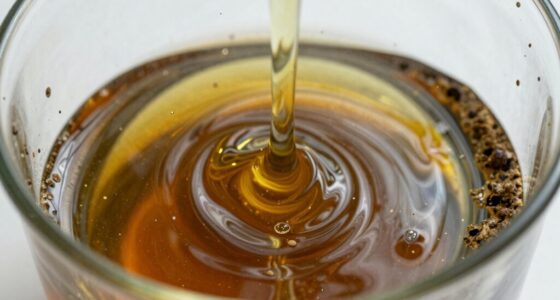
Anti-wear and anti-friction additives both improve lubrication but serve different purposes. Anti-wear additives, like ZDDP, create a protective film to prevent metal contact under heavy loads, reducing wear. Anti-friction additives, such as molybdenum disulfide or graphite, lower friction for smoother operation and better efficiency. Mixing these incorrectly can reduce effectiveness or cause problems. To understand their true differences and how to use them properly, explore further.

Get business pricing on garage and car supplies
- Business-only prices and quantity discounts
- Tax-exempt purchasing
- Multiple users, one account, clear invoices
Key Takeaways
- Anti-wear additives like ZDDP form protective films to prevent metal-to-metal contact, especially under heavy loads.
- Anti-friction additives such as molybdenum disulfide reduce the coefficient of friction, enhancing efficiency and smooth operation.
- The primary role of anti-wear additives is to prevent wear, while anti-friction additives aim to reduce friction itself.
- Mixing incompatible anti-wear and anti-friction additives can cause chemical reactions, reducing lubricant effectiveness or causing damage.
- Understanding the difference helps in selecting the right additive package for specific machinery and operational needs.
Have you ever wondered how machinery stays efficient and durable over time? It all comes down to the quality of the lubricants you use and how well the additives perform within that lubricant. One common mistake is confusing anti-wear additives with anti-friction additives, but understanding their differences can profoundly impact your equipment’s longevity and performance. When selecting a lubricant, you need to pay close attention to oil viscosity and additive compatibility. Oil viscosity determines how thick or thin the oil is, influencing how well it can form a lubricating film between moving parts. Proper viscosity ensures that the lubricant can flow smoothly at operating temperatures, providing a protective barrier against metal-to-metal contact. If the viscosity is too high, it can cause increased friction and wear; if too low, it might not stay on surfaces long enough to protect them.
Understanding the difference between anti-wear and anti-friction additives is key to optimizing machinery performance.
Additive compatibility is equally critical. Different additives are formulated to enhance specific properties of the oil, such as reducing wear or minimizing friction. Anti-wear additives, like zinc dialkyldithiophosphate (ZDDP), create a protective film that prevents direct metal contact under high pressures. These additives are especially essential in heavy-duty or high-load applications where metal-to-metal contact is unavoidable. On the other hand, anti-friction additives, such as molybdenum disulfide or graphite, work differently. They reduce the coefficient of friction by creating a slippery layer that allows surfaces to slide more easily against each other, improving efficiency and reducing energy consumption. Additionally, understanding additive interaction helps prevent negative effects on lubrication performance.
The confusion often arises because some additives seem to serve multiple functions, but their primary roles are distinct. Anti-wear additives focus on forming a sacrificial barrier to prevent damage, whereas anti-friction additives aim to reduce resistance altogether. Mixing incompatible additives can lead to issues like sludge formation, reduced effectiveness, or even damage to the engine or machinery. That’s why understanding additive compatibility is essential when selecting or blending lubricants.
When you choose a lubricant, ensure it’s formulated with the right balance of additives that are compatible with each other and suited for your specific machinery. Pay attention to oil viscosity ratings and the additive package to guarantee ideal performance. Properly formulated lubricants will not only protect against wear and friction but also help machinery run smoothly longer, saving you money and preventing costly repairs down the line. Ultimately, knowing the difference between anti-wear and anti-friction additives and how they interact within your oil can make a real difference in keeping your equipment operating efficiently and reliably.
As an affiliate, we earn on qualifying purchases.
Frequently Asked Questions
Can Additives Be Used Together for Better Engine Performance?
Yes, you can use additives together for better engine performance, but you should check additive compatibility first. Follow additive mixing guidelines carefully to guarantee they work effectively without causing harm. Mixing compatible additives can enhance lubrication, reduce wear, and improve fuel efficiency. Always read product labels and consult your vehicle’s manual or a professional to confirm that combining additives won’t lead to adverse effects or diminished performance.
How Do Anti-Wear Additives Affect Oil Lifespan?
Anti-wear additives form a protective shield, slowing down oil degradation like a vigilant guardian. As they coat engine parts, they prevent metal-on-metal contact, reducing wear and tear. This extends the oil’s effectiveness, helping it last longer before needing a change. By maintaining additive effectiveness, your oil stays smoother, protecting your engine and maximizing lifespan, so your vehicle keeps running like a well-oiled machine for miles to come.
Are Anti-Friction Additives Suitable for Diesel Engines?
Yes, anti-friction additives can be suitable for diesel engines, but you need to verify diesel engine compatibility first. These additives are formulated differently to meet diesel engine demands, focusing on reducing friction without harming engine parts. Always review the additive formulation differences to ensure they won’t interfere with your engine’s performance or emissions systems. When used correctly, anti-friction additives can improve efficiency and protect your diesel engine.
Do All Oils Contain Both Anti-Wear and Anti-Friction Additives?
Not all oils contain both anti-wear and anti-friction additives, as oil additive compatibility varies by formulation. You need to check the product labels or manufacturer info to confirm the additives meet your engine’s needs. Additive effectiveness factors, like oil type and operating conditions, influence their performance. Using oils with the right combination ensures maximum protection and efficiency, so always verify the specific additives included before choosing your engine oil.
What Are the Environmental Impacts of These Additives?
Think of anti-wear and anti-friction additives as tiny guardians in your oil, but they can impact the environment. They sometimes pose environmental toxicity risks and raise biodegradability concerns, especially if not properly managed. When these additives enter water or soil, they may harm aquatic life and disrupt ecosystems. Choosing eco-friendly formulations and proper disposal helps reduce their environmental footprint, making your engine’s protection a greener choice.
anti-friction lubricant additive
As an affiliate, we earn on qualifying purchases.
As an affiliate, we earn on qualifying purchases.
Conclusion
Now that you know the difference between anti-wear and anti-friction additives, don’t put all your eggs in one basket. Understanding their unique roles helps you make smarter choices for your engine’s health. Remember, mixing them up is like comparing apples and oranges—they serve different purposes. Keep these distinctions in mind, and you’ll be ahead of the game, ensuring your vehicle runs smoothly without throwing a wrench in the works. Stay informed and keep things running like clockwork.
As an affiliate, we earn on qualifying purchases.
As an affiliate, we earn on qualifying purchases.
Halloween Picks
halloween
As an affiliate, we earn on qualifying purchases.