
Anti-foam additives may be small, but they’re essential for preventing costly equipment malfunctions and process failures across industries. They work by controlling or reducing foam formation during manufacturing, cleaning, or treatment processes, ensuring everything runs smoothly and efficiently. Without them, foam can block pipes, interfere with mixing, or damage instruments, leading to downtime and product issues. Want to find out how these tiny ingredients keep big operations safe and effective? Keep exploring to learn more.

Get business pricing on garage and car supplies
- Business-only prices and quantity discounts
- Tax-exempt purchasing
- Multiple users, one account, clear invoices
Key Takeaways
- Anti-foam additives suppress foam formation, preventing process disruptions and equipment failures in industrial applications.
- They enhance operational efficiency by reducing maintenance needs caused by foam-related issues.
- These tiny ingredients are crucial for maintaining safety and product quality across sectors like chemical manufacturing and wastewater treatment.
- Proper selection and management of anti-foam agents minimize environmental impact and ensure regulatory compliance.
- Advances focus on eco-friendly, biodegradable anti-foam solutions that balance effective foam control with sustainability.
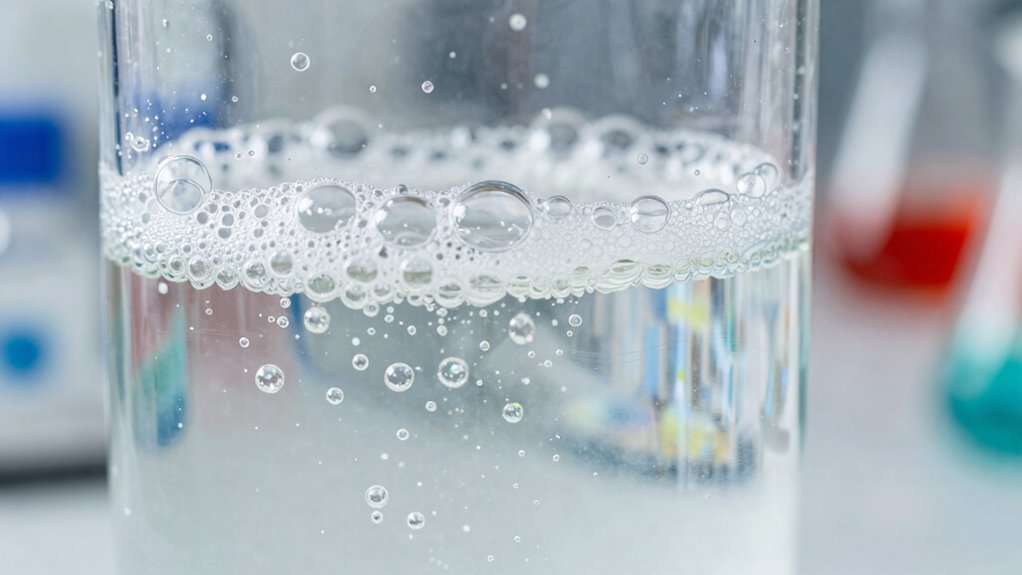
Anti-foam additives are chemicals added to liquids to prevent or reduce foam formation during industrial processes, manufacturing, and cleaning. These tiny ingredients play a pivotal role in maintaining efficiency and safety across various sectors. When foam builds up excessively, it can cause equipment malfunctions, process interruptions, or product contamination. By adding anti-foam agents, you help guarantee smooth operations, minimize downtime, and improve product quality.
Anti-foam additives ensure safe, efficient industrial processes by controlling foam buildup and preventing equipment issues.
In industrial applications, anti-foam additives are indispensable. In sectors like chemical manufacturing, wastewater treatment, food production, and pulp and paper processing, foam can be a significant obstacle. For example, in chemical plants, foam can block pipes, interfere with mixing, or damage sensitive instruments. In wastewater treatment, foam can hinder the separation of contaminants from water, reducing treatment efficiency. Using anti-foam agents, you control foam levels, reduce maintenance needs, and optimize process performance. These additives are designed to work quickly and effectively, often being compatible with a broad range of liquids, including oils, solvents, and aqueous solutions.
However, while anti-foam additives improve industrial processes, their environmental impact warrants careful consideration. Many of these chemicals are surfactants or silicones, which can persist in the environment if not properly managed. When discharged into water bodies, some anti-foam agents may accumulate in sediments or be ingested by aquatic life, potentially disrupting ecosystems. This makes it imperative for industries to evaluate the eco-toxicity of their chosen additives and adhere to environmental regulations. eco-conscious alternatives, such as biodegradable or naturally derived anti-foams, are gaining popularity for those aiming to reduce their ecological footprint. Implementing proper waste treatment and disposal practices can also mitigate negative environmental effects, assuring that foam control doesn’t come at the expense of the environment. Additionally, understanding the environmental impact of these chemicals is essential for responsible usage and compliance.
You should also consider that the selection of an anti-foam additive depends on the specific industrial application. Factors like temperature, pH, and the type of liquids involved influence the choice. Using the wrong agent can lead to ineffective foam control or even exacerbate the problem. Moreover, ongoing research aims to develop safer, more environmentally friendly anti-foam solutions, helping industries balance operational efficiency with sustainability.
anti-foam additive for industrial use
As an affiliate, we earn on qualifying purchases.
As an affiliate, we earn on qualifying purchases.
Frequently Asked Questions
Are Anti-Foam Additives Safe for Human Health?
Anti-foam additives are generally safe for human health when used according to regulatory standards. You don’t need to worry about health concerns if these guidelines are followed, as authorities like the FDA and EPA carefully evaluate their safety. However, prolonged or high exposure might pose risks, so it’s best to utilize products containing anti-foam additives as directed. Trust regulatory agencies to ensure these ingredients are safe for everyday use.
How Long Do Anti-Foam Additives Last in Products?
Anti-foam additives last like a fleeting shadow, with their effectiveness depending on the product’s lifespan and additive degradation. Typically, they remain active from a few weeks to several months, but factors like temperature, exposure to chemicals, and product use can shorten their duration. You should regularly check product stability and reapply or replace as needed to guarantee continuous foam control and prevent failures.
Can Anti-Foam Additives Cause Environmental Harm?
Anti-foam additives can impact the environment, especially if they’re not biodegradable. Some types may accumulate in ecosystems, posing risks to aquatic life and disrupting natural processes. You should consider biodegradability concerns when choosing these additives, aiming for eco-friendly options. Proper disposal and regulation help minimize environmental impact, ensuring that the benefits of anti-foam agents don’t come at the expense of environmental health.
Are There Natural Alternatives to Chemical Anti-Foam Agents?
Yes, there are natural alternatives to chemical anti-foam agents. You can explore plant-based alternatives like natural oils, such as coconut or castor oil, which help reduce foam. Biodegradable options like certain plant extracts also work effectively without harming the environment. These natural solutions are safer for ecosystems and can be sustainably sourced, making them a responsible choice for managing foam in various industrial processes.
How Do Anti-Foam Additives Differ From Foam Suppressants?
Think of anti-foam additives and foam suppressants as two sides of the same coin. Anti-foam additives work by disrupting foam formation through additive mechanisms, preventing bubbles from forming in the first place. Foam suppressants, on the other hand, actively break down existing foam. You use anti-foam additives for foam suppression early on, while foam suppressants are your go-to for controlling foam that’s already taken hold.
As an affiliate, we earn on qualifying purchases.
Conclusion
Just like the steady hand of Daedalus guiding Icarus away from the sun’s reach, anti-foam additives quietly keep your processes grounded. They may be small, but their impact is mighty—preventing chaos before it begins. Without them, your system risks the kind of downfall that echoes myths and legends. So, trust in this tiny hero, the unsung guardian, and keep your operations soaring smoothly, away from the pitfalls of unwelcome foam.
As an affiliate, we earn on qualifying purchases.
foam control additives for wastewater treatment
As an affiliate, we earn on qualifying purchases.
As an affiliate, we earn on qualifying purchases.
Fall Picks
fall essentials
As an affiliate, we earn on qualifying purchases.