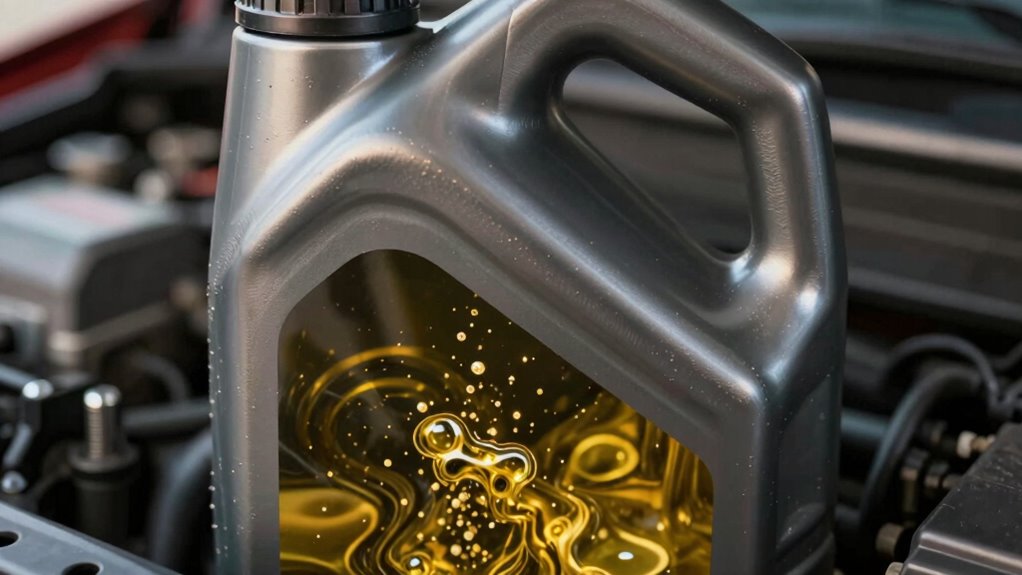

Engine oils have detergents even if your engine seems clean because tiny combustion byproducts, dirt, and heat cause invisible buildup over time. These additives proactively prevent harmful deposits like sludge and varnish from forming, keeping your engine running smoothly and efficiently. Without detergents, contaminants could stick and cause issues long before you notice them. Understanding how detergents protect your engine highlights the importance of choosing the right oil—and there’s more to uncover if you continue exploring.

Get business pricing on garage and car supplies
- Business-only prices and quantity discounts
- Tax-exempt purchasing
- Multiple users, one account, clear invoices
Key Takeaways
- Detergents prevent the gradual buildup of harmful deposits from heat and combustion byproducts.
- They suspend dirt and particles, stopping them from settling and causing engine wear over time.
- Even a clean engine can develop microscopic contaminants that detergents actively remove.
- Detergents protect engine components from sludge and varnish formation, ensuring smooth operation.
- They provide ongoing cleaning power, maintaining engine health and performance despite no visible dirt.

Engine oils with detergents play a crucial role in keeping your engine clean and running smoothly. Even if your engine doesn’t seem dirty or isn’t showing signs of trouble, these detergents are essential for maintaining ideal performance over time. Modern engine oils often feature synthetic formulations that include advanced additive packages designed to combat sludge, varnish, and deposit buildup. These additive packages contain detergents specifically formulated to suspend dirt, combustion byproducts, and other contaminants, preventing them from settling on engine parts. Additionally, these detergents are engineered to work effectively across the wide temperature ranges that engines operate under, ensuring consistent cleaning performance.
Detergents in engine oils keep engines clean and running smoothly over time.
You might wonder why detergents are necessary if your engine appears clean. The truth is, engines operate under extreme conditions, generating heat, combustion byproducts, and tiny particles that can accumulate silently. Without the presence of detergents, these contaminants would start to stick to critical components like pistons, valves, and oil passages. Over time, this buildup could impair engine efficiency, increase wear, and reduce fuel economy. Detergent-rich oils actively clean these deposits, ensuring your engine remains free of harmful sludge and varnish.
Synthetic formulations enhance the effectiveness of these detergents because they are engineered to flow better at a wide range of temperatures. This means your engine oil maintains its protective qualities, even in extreme cold or heat, ensuring detergents spread evenly and efficiently throughout the engine. The combination of synthetic oils and specialized additive packages allows for better cleaning power and longer-lasting performance. These additive packages are carefully calibrated to provide a balanced mix of detergents, dispersants, anti-wear agents, and corrosion inhibitors, all working together to keep your engine in top shape.
By choosing an oil with robust detergent properties, you’re actively preventing the formation of harmful deposits before they can cause problems. This proactive approach minimizes the need for costly repairs and helps extend your engine’s lifespan. Even if your engine runs smoothly today, the ongoing presence of detergents in your oil ensures that it stays that way, protecting internal components from deterioration caused by overlooked contaminants. It’s a smart, preventative measure that keeps your engine cleaner for longer, thanks to the synergy of synthetic formulations and sophisticated additive packages.
In essence, detergents in engine oils are not just about cleaning but about maintaining the health and longevity of your engine. They work quietly in the background, fighting off the invisible threats that, if left unchecked, could lead to decreased performance and costly repairs. By understanding their importance, you’ll see why choosing an oil with effective detergents is a smart decision, even when everything seems fine on the surface. Recognizing the role of detergents in preventing deposit buildup can help you make better maintenance choices for your vehicle.
As an affiliate, we earn on qualifying purchases.
Frequently Asked Questions
Do Synthetic Oils Contain More Detergents Than Conventional Oils?
Yes, synthetic oils generally contain more detergents than conventional oils. This higher detergent concentration is one of the synthetic advantages, helping to keep your engine cleaner by preventing sludge and deposits. Because synthetic oils are engineered for better performance and longevity, they often include advanced detergent additives. This means your engine stays cleaner longer, reducing maintenance needs and improving overall efficiency and performance.
Can Detergents in Oil Harm Engine Components Over Time?
Detergents in oil don’t harm your engine over time; in fact, they help prevent damage. They’re designed for wear particle removal and sludge prevention, reducing the risk of engine wear and corrosion. Studies show that engines using detergent-rich oils last 30% longer. Without detergents, sludge buildup can clog crucial parts, increasing wear. So, your engine benefits from these additives, keeping it cleaner and more efficient over its lifespan.
How Often Should I Change Oil to Maintain Detergent Effectiveness?
You should change your oil every 3,000 to 5,000 miles, depending on your vehicle and driving habits, to maintain detergent effectiveness. Over time, detergent degradation diminishes its ability to clean, so regular oil changes guarantee contaminants are removed, and detergents stay effective. Following recommended oil change intervals helps prevent buildup, keeps your engine running smoothly, and maximizes the benefits of detergents in your engine oil.
Are There Engines That Don’t Require Detergent-Containing Oil?
You might think some engines, like antique engine maintenance or certain non-automotive engines, don’t need detergent-containing oil, but that’s rarely the case. Most engines benefit from detergents because they prevent deposits and keep parts clean, regardless of usage. Even if an engine appears pristine, using detergent oils helps maintain peak performance and longevity. Always check manufacturer advice, but generally, detergents are essential for all engine types.
Do Detergents Affect Fuel Efficiency or Emissions?
Detergents in engine oils can positively affect fuel economy by keeping your engine cleaner, which allows it to run more efficiently. They also support emission control by reducing sludge buildup that can clog essential parts and increase emissions. While some worry about detergents’ effects, they generally help maintain ideal engine performance, leading to better fuel efficiency and lower emissions over time.
synthetic engine oil for cleaning
As an affiliate, we earn on qualifying purchases.
As an affiliate, we earn on qualifying purchases.
Conclusion
Remember, even if your engine looks clean, detergents in your oil actively prevent sludge buildup and keep parts running smoothly. Did you know that modern engine oils contain up to 75% more detergents than those from just a decade ago? This increase helps combat the harsher, more complex fuels and emissions systems today’s engines face. So, by using detergent-rich oils, you’re giving your engine the extra protection it needs to stay efficient and reliable longer.
As an affiliate, we earn on qualifying purchases.
As an affiliate, we earn on qualifying purchases.
Halloween Picks
halloween
As an affiliate, we earn on qualifying purchases.