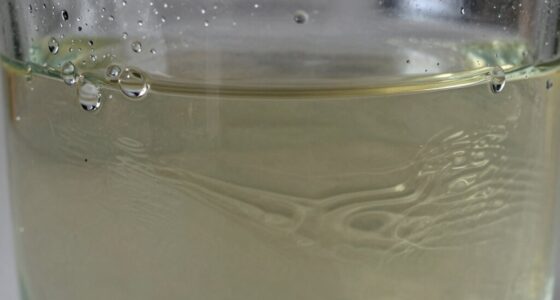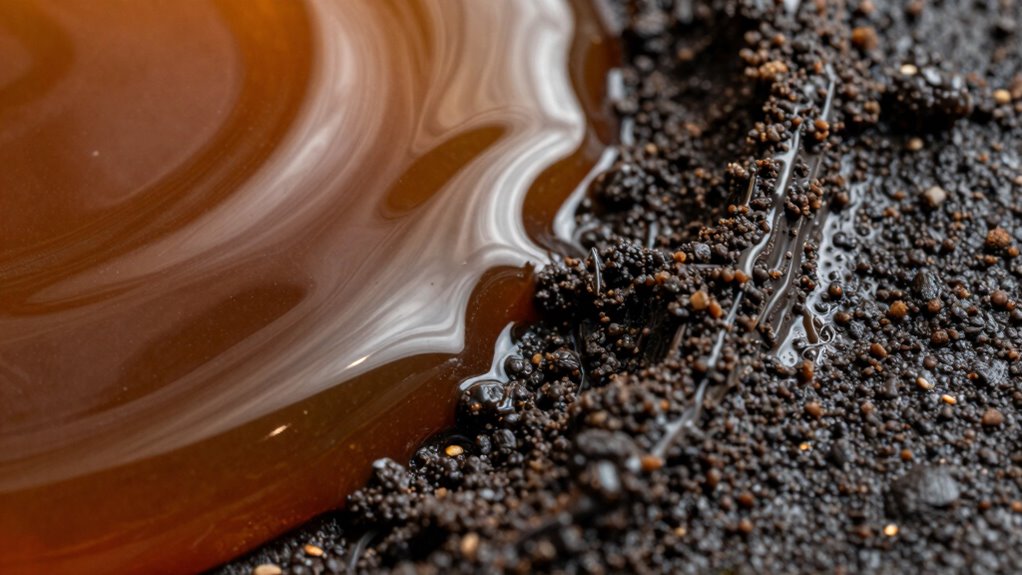

Varnish and sludge are different engine deposits that need different attention. Varnish is a thin, amber film from oil breakdown that gradually coats engine parts, often less immediately harmful but still influencing performance. Sludge is a thick, tar-like substance caused by neglect, dirt, and moisture, which quickly clogs passages and damages the engine. Understanding these differences helps you prevent maintenance issues effectively—continue exploring to learn how to identify and address each deposit type properly.

Get business pricing on garage and car supplies
- Business-only prices and quantity discounts
- Tax-exempt purchasing
- Multiple users, one account, clear invoices
Key Takeaways
- Varnish is a thin, amber film caused by oil breakdown, while sludge is thick, tar-like buildup from unburned fuel and dirt.
- Varnish develops gradually over time, whereas sludge forms rapidly due to poor maintenance or harsh driving conditions.
- Varnish mainly affects fluid flow and engine smoothness, while sludge clogs passages and significantly impairs lubrication.
- Preventing varnish involves regular oil changes and quality oils; preventing sludge requires prompt maintenance and addressing driving habits.
- Different deposit types demand tailored cleaning and maintenance strategies to effectively restore engine health.
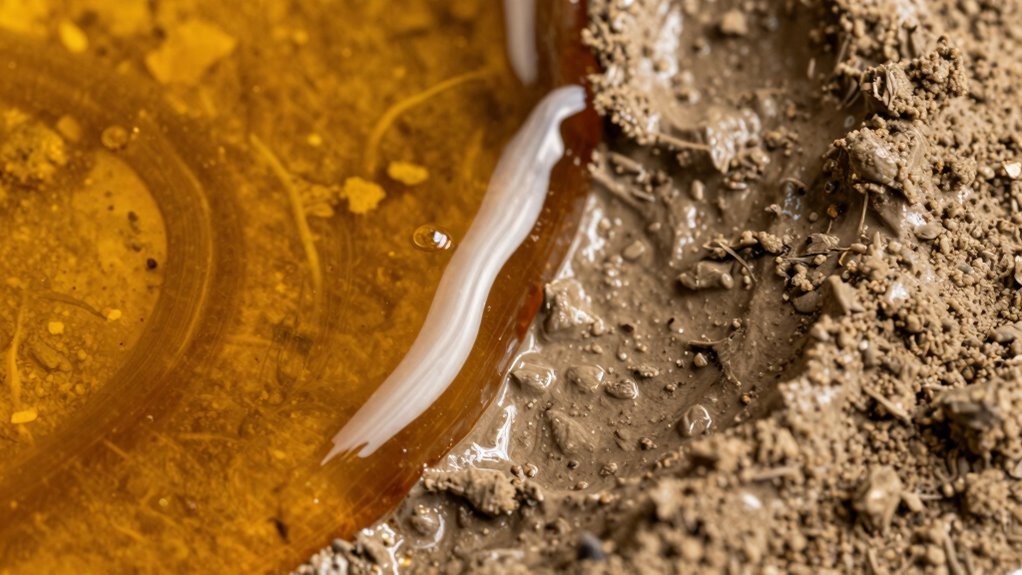
Have you ever wondered how engine deposits like varnish and sludge differ and what they mean for your vehicle’s health? These buildup types can impact your engine’s performance in distinct ways, and understanding their differences helps you take better care of your car. Varnish, for example, is a thin, amber-colored film that forms when oil components break down over time. It tends to accumulate on engine parts like valves, pistons, and the inside of your fuel system. While varnish isn’t always immediately harmful, it can gradually affect engine performance by restricting fluid flow and increasing friction. When varnish coats critical parts, it hampers efficient movement, leading to decreased power, rough idling, or sluggish acceleration. This film also makes fuel delivery less precise, impacting the fuel system’s ability to operate effectively. As a result, your vehicle might consume more fuel or struggle to reach peak performance, especially if left unchecked. Understanding these deposit types is key to implementing proper maintenance routines.
Sludge, on the other hand, is a thicker, more problematic deposit. It’s a sticky, tar-like substance that forms when unburned fuel, dirt, moisture, and degraded oil combine. Sludge can clog oil passages, filters, and other essential components, severely impairing your engine’s ability to stay lubricated and cool. Unlike varnish, sludge often results from neglect, infrequent oil changes, or exposure to extreme driving conditions. When sludge builds up, it can cause significant engine trouble—overheating, increased wear, and even engine failure if not addressed. The presence of sludge can also block or weaken the fuel system, reducing fuel flow and causing misfires, poor acceleration, or engine hesitation. This buildup makes it harder for your engine to perform smoothly and efficiently, negatively influencing overall engine performance.
As an affiliate, we earn on qualifying purchases.
Frequently Asked Questions
How Can I Distinguish Between Varnish and Sludge Visually?
To distinguish varnish from sludge visually, look for specific cues. Varnish usually appears as a thin, glossy, transparent film with a smooth texture and a shiny deposit color, often yellowish or amber. Sludge, on the other hand, tends to be thicker, more viscous, with a matte finish and darker, muddy deposit color. Its uneven, chunky appearance makes it stand out from the sleek, uniform look of varnish.
What Engine Conditions Favor Varnish Formation Over Sludge?
Think of your engine as a simmering pot; high engine temperatures and poor fuel quality create ideal conditions for varnish to form. When your engine runs hot consistently, it leaves behind a glossy, amber coating that’s harder to clean. Low-quality fuel, laden with impurities, accelerates this process. So, if your engine operates under these conditions, you’re more likely to develop varnish buildup rather than sludge.
Are Certain Oil Brands More Resistant to Varnish or Sludge?
Some oil brands offer better resistance to varnish or sludge due to advanced oil additive formulations. Synthetic oils generally provide superior protection against these deposits compared to conventional oils, thanks to more stable molecules and better cleaning agents. When choosing an oil, look for brands that emphasize high-quality additive packages, especially if you want to minimize varnish buildup or sludge formation, ensuring your engine stays cleaner and runs smoothly longer.
How Does Driving Style Influence Deposit Development?
If you tend to accelerate aggressively and frequently drive short distances, your driving behavior can accelerate deposit development. For example, a driver who neglects regular maintenance might see varnish build-up faster due to incomplete oil circulation. Consistently following good maintenance habits and adopting smoother driving styles help minimize deposits. By avoiding rapid accelerations and ensuring timely oil changes, you can reduce varnish and sludge formation, keeping your engine cleaner longer.
Can Regular Oil Changes Prevent Both Varnish and Sludge Buildup?
Regular oil changes can help prevent both varnish and sludge buildup by removing contaminants before they settle. Using oil additive benefits can enhance cleaning, and combining this with engine cleaning techniques keeps your engine cleaner longer. Consistent oil changes guarantee fresh lubricant flows through your engine, reducing deposits. This proactive approach maintains ideal performance and prolongs engine life, making it an essential part of your vehicle’s maintenance routine.
As an affiliate, we earn on qualifying purchases.
Conclusion
Think of varnish as a delicate, shimmering cloak, quietly settling on surfaces, while sludge is a heavy, muddy blanket that weighs things down. Recognizing these deposits is like reading the signs of a hidden story within your equipment. By understanding their differences, you can navigate the path to cleaner, healthier machinery—each requiring a different approach. Treat these deposits like symbols of your engine’s health, and you’ll keep it running smoothly for miles to come.
As an affiliate, we earn on qualifying purchases.
As an affiliate, we earn on qualifying purchases.
Halloween Picks
halloween
As an affiliate, we earn on qualifying purchases.