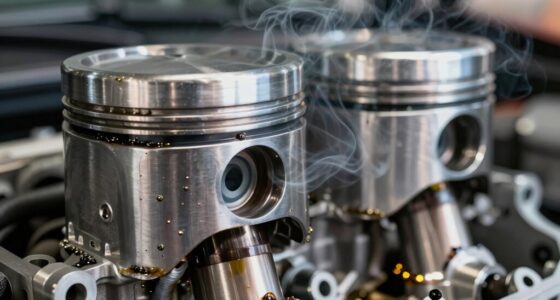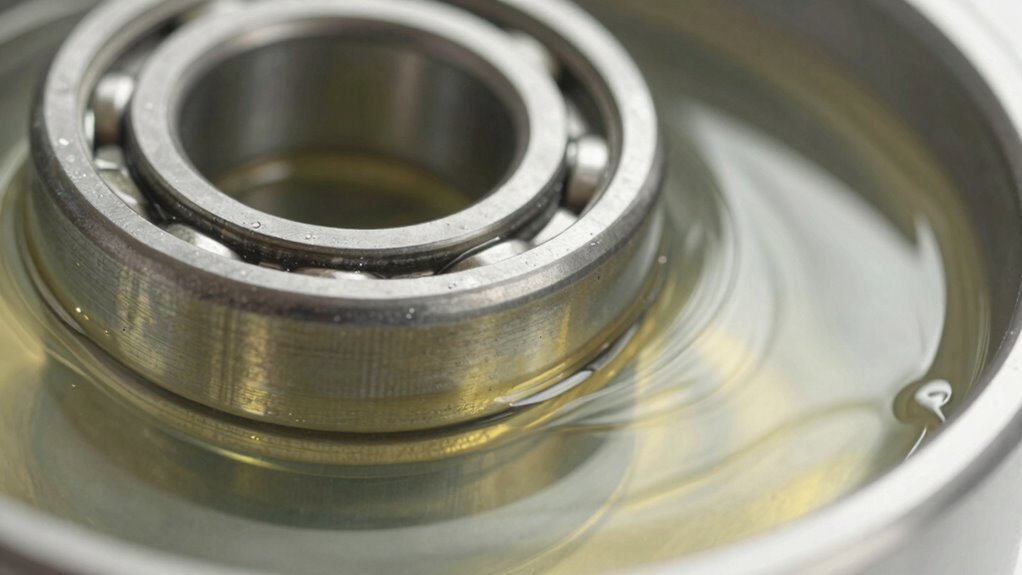

In hydrodynamic lubrication, viscosity plays a key role because it determines how thick the lubricant film will be at different speeds. Higher viscosity lubricants can form thicker films, helping prevent metal contact during slower operation. As speed increases, the lubricant’s flow helps create and maintain this film. If you keep exploring, you’ll discover how balancing viscosity and speed is essential for ideal system performance and long-lasting parts.

Get business pricing on garage and car supplies
- Business-only prices and quantity discounts
- Tax-exempt purchasing
- Multiple users, one account, clear invoices
Key Takeaways
- Higher viscosity lubricants form thicker films, maintaining effective separation at lower speeds.
- Increased speed generates greater hydrodynamic pressure, which relies on suitable viscosity to sustain film thickness.
- Viscosity influences the lubricant’s ability to resist pressure-induced thinning during high-speed operation.
- Proper viscosity ensures the film remains thick enough to prevent metal contact as speed increases.
- Adjusting viscosity helps optimize film stability and minimize wear across varying operational speeds.
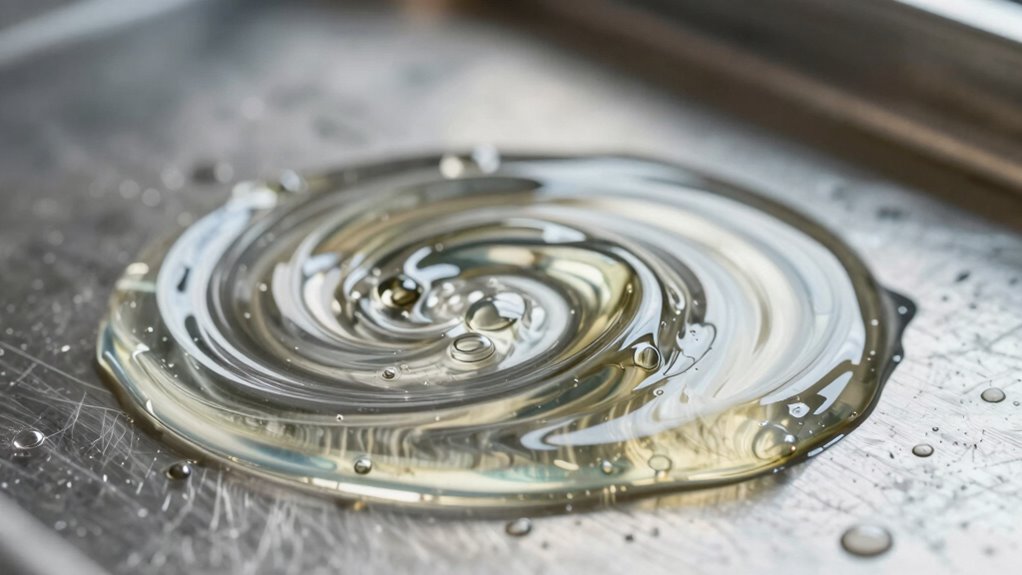
Hydrodynamic lubrication occurs when a fluid film forms between two moving surfaces, effectively reducing friction and wear. This thin layer of lubricant carries the load and separates the surfaces, allowing smooth motion and preventing direct contact. The effectiveness of this lubrication depends heavily on factors like film thickness and pressure effects, which are essential to understanding how the system performs under different conditions. Additionally, the fluid flow rate influences how quickly the film can build up and maintain its protective barrier during operation.
Film thickness is central to hydrodynamic lubrication. If the film is too thin, surfaces may come into contact, increasing friction and accelerating wear. If it’s too thick, it can cause unnecessary energy loss and reduce efficiency. The ideal film thickness ensures the surfaces stay separated but not so far apart that the load isn’t supported properly. Achieving this balance involves controlling the lubricant’s viscosity and the speed of the moving parts. As speed increases, the fluid tends to generate a thicker film, but this also depends on the lubricant’s properties. A higher viscosity lubricant can maintain a thicker film at lower speeds, providing better separation and reducing wear. Conversely, at higher speeds, even lower viscosity oils can often produce sufficient film thickness due to the increased fluid flow. The relationship between film thickness and speed is dynamic, with the system adjusting as operating conditions change.
Pressure effects play a significant role in hydrodynamic lubrication because they influence how the lubricant behaves under load. As the surfaces move relative to each other, they generate hydrodynamic pressure within the film. This pressure supports the load and prevents direct contact. When pressure increases, it can cause the fluid to compress slightly, affecting the film thickness. Higher pressures tend to thin the film, which can risk contact if the film isn’t maintained properly. That’s why selecting a lubricant with the right viscosity is essential; it needs to withstand pressure without breaking down or thinning excessively. Additionally, the pressure distribution across the film isn’t uniform—it’s typically highest at the center, where the load is greatest, and decreases toward the edges. This pressure distribution influences how the film supports the load and affects overall system stability.
As an affiliate, we earn on qualifying purchases.
Frequently Asked Questions
How Does Temperature Affect Lubricant Viscosity in Hydrodynamic Systems?
You’ll find that increased temperature causes thermal effects, which lead to lubricant thinning. As temperature rises, the viscosity drops, reducing the lubricant’s ability to create a strong hydrodynamic film. This makes your system more prone to wear and friction. To prevent issues, you need to monitor and control temperature, ensuring the lubricant maintains ideal viscosity for effective hydrodynamic lubrication, especially at high speeds.
What Role Does Lubricant Viscosity Play in Minimizing Wear and Tear?
You need the right lubricant viscosity to minimize wear and tear effectively. It guarantees a proper lubricant film, reducing direct metal contact. The lubricant composition plays a vital role in maintaining that viscosity under different conditions. When viscosity is ideal, it helps prevent wear by absorbing shocks and reducing friction, ultimately extending equipment life. Always choose a lubricant with suitable viscosity for your operating speeds to maximize wear prevention.
Can Viscosity Adjustments Improve Performance at Varying Speeds?
Yes, viscosity adjustments can enhance performance at different speeds. With effective viscosity control, you can optimize your lubricant’s flow, ensuring smooth operation and reduced wear. By fine-tuning viscosity, you promote better hydrodynamic lubrication, adapting seamlessly to varying conditions. This lubricant optimization minimizes friction and maximizes efficiency, making your machinery more reliable and responsive, regardless of speed changes.
How Is Viscosity Measured and Monitored in Real-Time Applications?
You measure and monitor viscosity in real-time applications using viscosity sensors, which continuously track fluid resistance. These sensors send data to monitoring systems, allowing you to adjust parameters instantly if viscosity shifts. With real-time monitoring, you stay aware of viscosity changes during operation, ensuring ideal lubrication performance and preventing equipment wear or failure. This proactive approach helps maintain efficiency and prolongs machinery life.
What Are the Consequences of Using Low-Viscosity Lubricants at High Speeds?
Using low-viscosity lubricants at high speeds can cause insufficient film thickness, leading to increased friction and wear. You risk lubricant degradation and reduced viscosity stability, which may result in metal-to-metal contact. It’s like trying to cushion a fall with flimsy padding—you won’t get the protection you need. To keep equipment running smoothly, guarantee your lubricant maintains proper viscosity, preventing breakdowns and extending component life.
As an affiliate, we earn on qualifying purchases.
Conclusion
Understanding why viscosity matters at speed helps you optimize machinery performance. For example, in high-speed turbines, using a lubricant with the right viscosity creates a strong hydrodynamic film, preventing metal contact and wear. If the viscosity’s too low, the film breaks down, risking damage; too high, and energy efficiency drops. By selecting the right lubricant, you guarantee smooth operation, extend equipment life, and maintain efficiency—even at rapid speeds.
As an affiliate, we earn on qualifying purchases.
As an affiliate, we earn on qualifying purchases.
Fall Picks
fall essentials
As an affiliate, we earn on qualifying purchases.