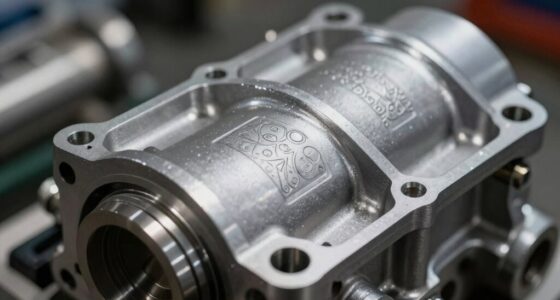

Some oils clean better because they contain advanced deposit control additives like detergents, dispersants, and solvents that actively prevent, break down, and suspend buildup inside your engine. These ingredients help keep engine parts free of sludge and varnish, reducing deposits that can harm performance. High-quality oils with these additives form protective films and maintain cleanliness over time. To discover how these ingredients work together and improve your engine’s health, keep exploring further.
Key Takeaways
- High-quality oils contain advanced detergent and dispersant additives that effectively break down and suspend dirt and varnish.
- Deposit control additives form protective films, preventing new deposits from adhering to engine parts.
- Superior cleaning agents in these oils dissolve existing sludge and varnish, keeping engine components cleaner.
- Proper formulation and regional considerations ensure oils maintain viscosity and stability, enhancing cleaning performance.
- Well-formulated oils reduce dirt buildup, oxidation, and sludge, resulting in better engine cleanliness and performance.

Liqui Moly MoS2 Anti-Friction Engine Treatment | 300 ml | Oil additive | SKU: 2009
Motor oil additive – Liqui Moly MoS2 anti-friction (300 ml. Can).Fit Type: Universal
As an affiliate, we earn on qualifying purchases.
As an affiliate, we earn on qualifying purchases.
Why Do Engine Deposits Form, and How Do They Affect Your Car?
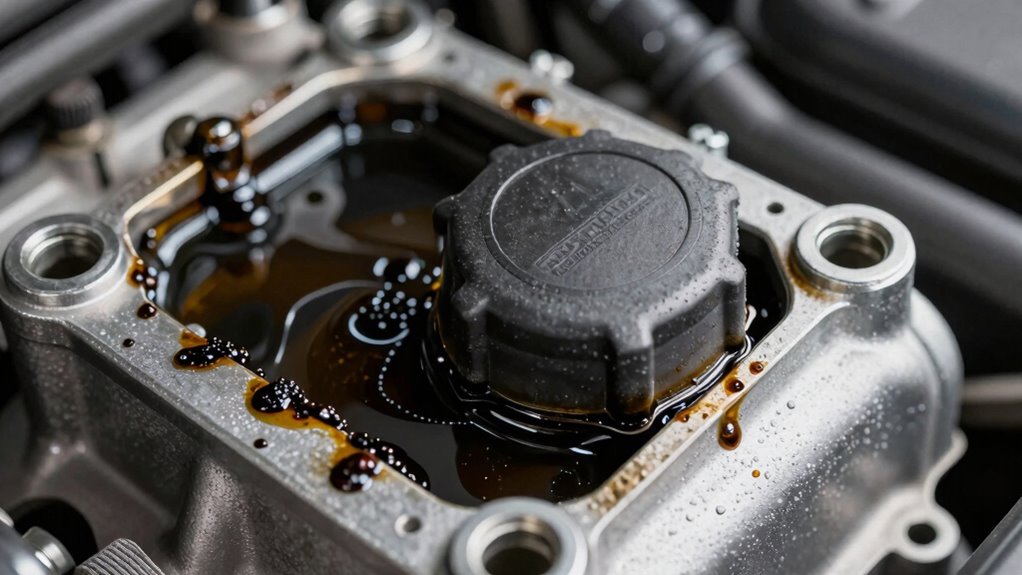
Engine deposits form when fuel, oil, and other contaminants don’t burn completely or break down over time. When these particles aren’t fully burned, they settle inside your engine, creating sludge and varnish. Over time, this buildup clogs crucial parts like fuel injectors, valves, and piston rings. As deposits accumulate, they hinder engine efficiency, reducing power and fuel economy. You might notice increased emissions, rough idling, or even engine knocking. These deposits also cause increased wear and tear, leading to early engine failure if untreated. Regular maintenance and using quality oils help prevent excessive buildup, keeping your engine cleaner and running more efficiently. Deposit formation can also contribute to corrosion if not properly managed. Proper oil formulation and deposit control additives are essential in minimizing these harmful deposits and maintaining engine health, especially since modern oils are designed with advanced cleaning agents to combat deposit buildup effectively. Additionally, advancements in oil technology are continually improving deposit prevention and engine longevity.
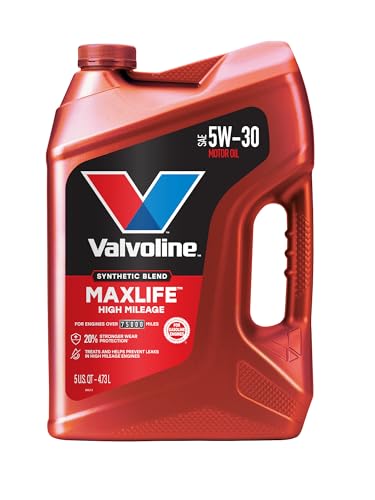
Valvoline MaxLife High Mileage 5W-30 Synthetic Blend Motor Oil 5 Quart
Formulated for engines with 75,000 miles or more, Valvoline MaxLife High Mileage synthetic blend is formulated with seal…
As an affiliate, we earn on qualifying purchases.
As an affiliate, we earn on qualifying purchases.
How Deposit Control Additives Help Prevent and Remove Engine Buildup
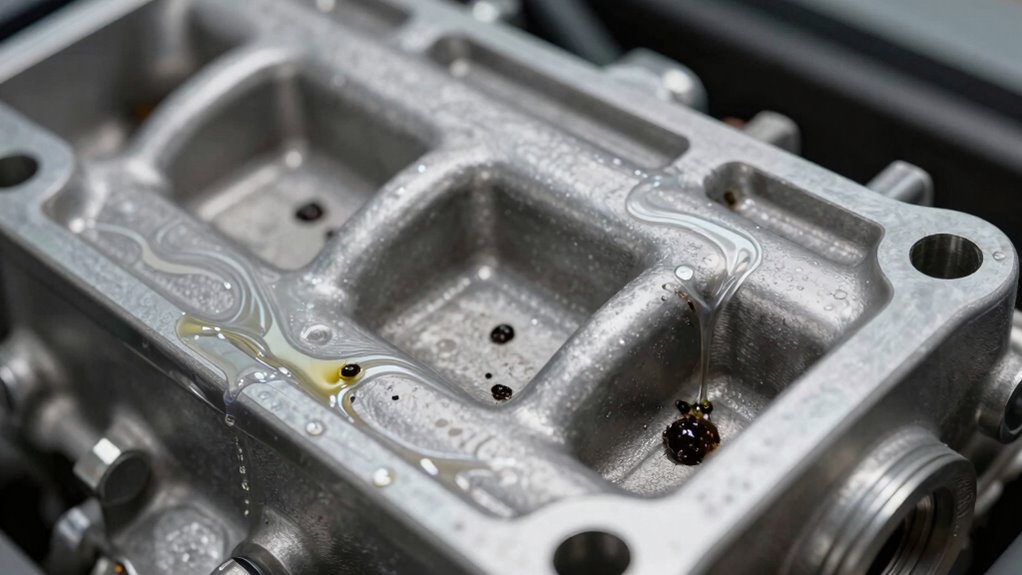
Deposit control additives work by actively preventing the formation of harmful buildup inside your engine. They do this by:
- Breaking down existing deposits before they can cause damage.
- Forming protective films that inhibit new deposits from sticking.
- Keeping engine parts clean by suspending dirt and sludge, so they can be safely burned away.
These additives work continuously as your engine runs, ensuring deposits don’t accumulate to problematic levels. By doing so, they help maintain ideal compression, improve fuel efficiency, and reduce engine wear. This proactive approach means your engine stays cleaner longer, and you experience smoother operation. Regular use of oils with deposit control additives provides ongoing protection against the harmful effects of buildup, ultimately extending your engine’s lifespan and maintaining peak performance.

STP Premium Small Engine 4 Cycle Oil Formula, SAE10W-30 Small Engine Oil Engine Care Formula Reduces Wear for Lawnmower, Push Mower, Tractor, 32 Oz, STP
SAE 10W-30 MOTOR OIL FOR SMALL ENGINES: One 32 fl oz bottle of STP Premium Synthetic Blend 4…
As an affiliate, we earn on qualifying purchases.
As an affiliate, we earn on qualifying purchases.
Different Types of Deposit Control Additives and How They Protect Your Engine

Different types of deposit control additives work in various ways to keep your engine clean and running smoothly. Detergent additives are the most common; they break down and suspend dirt, sludge, and varnish particles so they don’t stick to engine parts. Dispersants help prevent these particles from settling and forming deposits. Solvent additives dissolve existing deposits, making them easier to remove. Anti-wear agents form a protective film on metal surfaces, reducing friction and preventing deposits caused by wear. Some additives also include antioxidants that slow oil oxidation, which can lead to sludge buildup. Together, these additives work synergistically to keep your engine clean, improve performance, and extend its lifespan. Choosing oils with the right deposit control additives guarantees your engine stays in top shape longer.
Liqui Moly MoS2 Anti-Friction Engine Treatment | 300 ml | Oil additive | SKU: 2009
Motor oil additive – Liqui Moly MoS2 anti-friction (300 ml. Can).Fit Type: Universal
As an affiliate, we earn on qualifying purchases.
As an affiliate, we earn on qualifying purchases.
What Makes High-Quality Oils With Deposit Additives Better?

High-quality oils with deposit additives resist buildup better, keeping your engine cleaner for longer. They also contain superior cleaning agents that break down deposits more effectively. This results in a cleaner engine environment, reducing the likelihood of harmful sludge formation. Additionally, choosing oils with proper filter compatibility can improve overall engine health and longevity. Moreover, premium oils often include advanced additive technology that enhances lubrication and prevents wear over time. Incorporating oils with these engine protection features can further extend engine performance and durability.
Enhanced Deposit Resistance
Because they contain specialized deposit additives, high-quality oils are better at resisting buildup and keeping engines clean. These additives create a protective barrier, preventing deposits from forming or sticking to engine parts. Here’s what makes them effective:
- Enhanced film strength – They form a durable, protective layer that resists breakdown under high temperatures.
- Chemical stability – They stay active longer, reducing the chance of deposits developing over time.
- Dispersant properties – They keep particles suspended, preventing them from settling and forming sludge. Additionally, these additives can influence sound healing science, promoting cellular regeneration and overall health. The stability of these additives also contributes to oil performance, ensuring the oil maintains its protective qualities longer during engine operation. This chemical stability is crucial for maintaining consistent engine protection, especially in extreme conditions. When formulated with deposit control additives, these oils are even more effective at maintaining engine cleanliness. The presence of such additives not only enhances performance but also reflects a focus on engine longevity and efficiency. This combination helps your engine stay cleaner longer, reduces wear, and maintains ideal performance. With enhanced deposit resistance, you’re less likely to experience engine knocking, reduced fuel efficiency, or costly repairs caused by deposit buildup.
Superior Cleaning Agents
Superior cleaning agents in high-quality oils actively break down and remove existing deposits, preventing them from accumulating further. These advanced additives latch onto sludge and varnish, dispersing them evenly throughout the oil so they don’t stick to engine parts. As a result, your engine stays cleaner longer, reducing wear and tear. High-quality oils often contain detergents and dispersants specifically designed to tackle stubborn deposits. Unlike lower-grade oils, these cleaning agents work more efficiently, ensuring contaminants are carried away with the oil flow rather than settling inside your engine. Accurate measurement tools ensure these cleaning agents perform effectively by monitoring the oil’s condition and deposit levels. This improved cleaning capability helps maintain ideal performance, fuel efficiency, and engine longevity. Incorporating deposit control additives enhances the oil’s ability to keep your engine cleaner over time, preventing harmful buildup. With superior cleaning agents, you get not just lubrication but active deposit control, keeping your engine cleaner and healthier over time.
How to Choose the Right Oil for a Cleaner, Longer-Lasting Engine
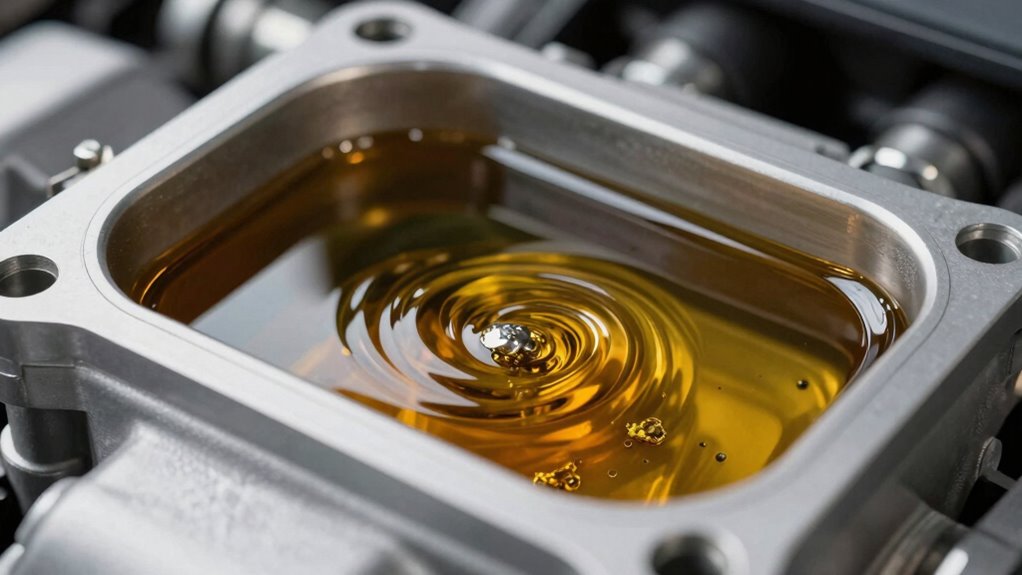
Choosing the right oil is essential for keeping your engine clean and running smoothly over time. To select the best oil, consider these key factors:
- Viscosity: Pick an oil with the recommended viscosity for your vehicle’s climate and driving conditions to ensure proper lubrication.
- API Certification: Look for oils labeled with the latest API service standards; they guarantee quality and deposit control capabilities.
- Additive Packages: Choose oils that contain deposit control additives, which help keep your engine cleaner and extend its lifespan.
- Understanding deposit control properties in oils can help you select products that actively reduce buildup and prolong engine health. Additionally, regional flavor profiles in oils can influence their effectiveness in different environments, and selecting oils suited for your local climate can enhance deposit prevention.
The Benefits of Deposit Control Additives for Engine Longevity and Performance
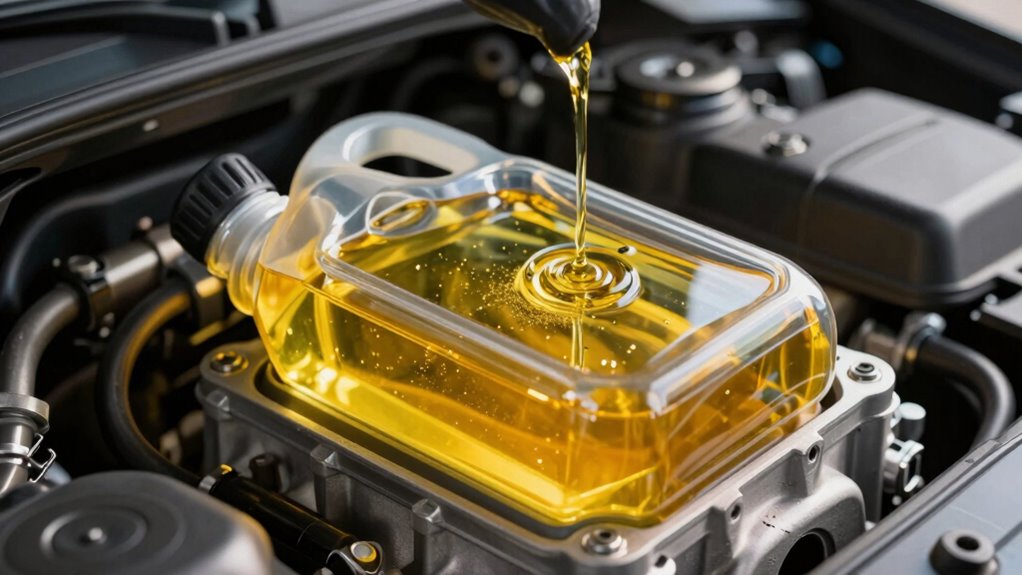
Deposit control additives help keep your engine clean by reducing harmful deposits that can form over time. They also maintain oil clarity, ensuring your engine runs smoothly and efficiently. By doing so, these additives can extend your engine’s lifespan and improve overall performance.
Reduces Engine Deposits
Engine deposits can build up over time, leading to reduced efficiency and potential damage. Deposit control additives actively work to minimize this buildup, keeping your engine cleaner. They do this by:
- Breaking down existing deposits before they harden
- Preventing new deposits from forming during operation
- Removing sludge that can clog essential engine parts
- Supporting engine health by maintaining cleaner components and smoother operation
- Enhancing oil performance to ensure optimal lubrication and protection
- Promoting longer engine lifespan by reducing wear caused by deposit accumulation
- Facilitating deposits removal through advanced formulation techniques to improve engine cleanliness
- Leveraging innovative detergency agents that boost cleaning effectiveness and maintain engine integrity
Maintains Oil Clarity
When deposit control additives work effectively, they help keep your oil clear and free of contaminants. Clear oil allows you to easily spot any issues, like sludge or debris, that could harm your engine. These additives prevent dirt, soot, and oxidation by stabilizing the oil’s composition. When contaminants stay suspended or are removed efficiently, your oil maintains its proper viscosity and flow. This stabilization process is crucial because detergent properties ensure that deposits are broken down and removed from engine surfaces. Additionally, oil stability helps prevent the formation of new deposits, contributing to cleaner engine operation. Proper deposit control also relies on dispersant capabilities, which keep particles evenly suspended in the oil, preventing them from settling or forming sludge. When deposits are controlled, it contributes to enhanced engine durability by preventing buildup that can block essential engine parts. Maintaining oil clarity reduces the risk of buildup that can block essential engine parts. Overall, deposit control additives help your engine perform reliably by keeping the oil transparent, clean, and working at its best for longer periods.
Extends Engine Life
Keeping your oil clear of contaminants not only guarantees smooth engine operation but also plays a crucial role in extending your vehicle’s lifespan. Deposit control additives help prevent sludge buildup, reduce wear, and keep essential parts functioning at their best. When your engine stays clean, it faces less friction and stress, which means fewer repairs and a longer service life.
Here’s how deposit control additives boost engine longevity:
- Minimize sludge formation that can clog vital passages
- Reduce wear on moving parts by protecting against abrasive deposits
- Maintain efficient oil flow for better cooling and lubrication
Frequently Asked Questions
Can Using Synthetic Oils Reduce Deposit Formation More Effectively Than Conventional Oils?
Yes, synthetic oils can reduce deposit formation more effectively than conventional oils. They have better chemical stability, lower volatility, and superior detergency properties, which help keep your engine cleaner. By resisting breakdown at high temperatures, synthetic oils prevent sludge and deposits from forming, ensuring smoother engine operation and longer-lasting performance. So, switching to synthetic oil can be a smart choice if you want to minimize deposits and maintain a cleaner engine.
Are Deposit Control Additives Safe for All Engine Types and Models?
Back in the day, engines roared with reckless abandon, and deposit control additives are generally safe for most engine types and models today. You should, however, check your vehicle’s manual or consult with your mechanic, as some older or specialized engines might need specific oils. Modern additives undergo rigorous testing, making them safe and effective, but always verify compatibility to keep your engine running smoothly.
How Often Should Oil Be Changed to Maximize Deposit Prevention?
You should change your oil every 3,000 to 5,000 miles for conventional oils and up to 7,500 miles with synthetic oils. Regular oil changes prevent deposits from forming and keep your engine running smoothly. Always check your vehicle’s owner’s manual for manufacturer recommendations, as driving habits and conditions can influence the ideal interval. Staying consistent with oil changes ensures deposit control and prolongs your engine’s lifespan.
Do Deposit Control Additives Impact Fuel Economy or Emissions?
Deposit control additives can positively impact fuel economy and emissions. By keeping your engine cleaner, these additives help optimize fuel combustion, which improves efficiency and reduces pollutants. When your engine stays free of harmful deposits, it runs smoother and more efficiently, saving you money on fuel. Additionally, cleaner engines produce fewer emissions, helping the environment and ensuring your vehicle meets regulatory standards. So, using oils with deposit control additives benefits both your wallet and the planet.
Is There a Visible Way to Tell if My Oil Has Effective Deposit Control Properties?
Think of your engine as a busy city street. If the oil has effective deposit control, it’s like having well-maintained street sweepers that keep the roads clean. You can’t see this directly, but you’ll notice smoother engine performance, fewer sludge signs, and less buildup over time. Regular oil analysis or following manufacturer recommendations helps confirm the oil’s deposit control effectiveness, keeping your engine running like a well-oiled, clean city.
Conclusion
Using the right oil with effective deposit control additives keeps your engine cleaner, running smoother, and lasting longer. It prevents buildup, reduces wear, and maintains performance. It protects your engine from deposits, preserves fuel efficiency, and minimizes costly repairs. Choose wisely, change regularly, and stay proactive. With the right oil, you prevent problems before they start, protect your investment, and enjoy a healthier, more reliable engine for miles to come.