
ZDDP is an essential additive in motor oils that forms a protective film to reduce wear and friction on engine parts. It bonds with metal surfaces, creating a sacrificial layer that absorbs heat and pressure, especially in older or high-performance engines. While some believe it’s unnecessary or harmful, proper ZDDP levels guarantee ideal engine protection without risking damage to other components. Keep exploring to understand how to use it safely and effectively.
Key Takeaways
- ZDDP is an anti-wear additive forming a protective phosphate film on metal surfaces, reducing engine wear.
- Its effectiveness depends on proper concentration; both too little and too much can cause issues.
- Excess ZDDP can harm catalytic converters and interfere with modern engine components.
- Modern oils balance ZDDP levels to protect engines without damaging emission control systems.
- Misunderstandings arise from assuming more ZDDP always equals better protection, which can lead to problems.
Top picks for "zddp explain additive"
Open Amazon search results for this keyword.
As an affiliate, we earn on qualifying purchases.
What Is ZDDP and Why Is It Important in Motor Oils?
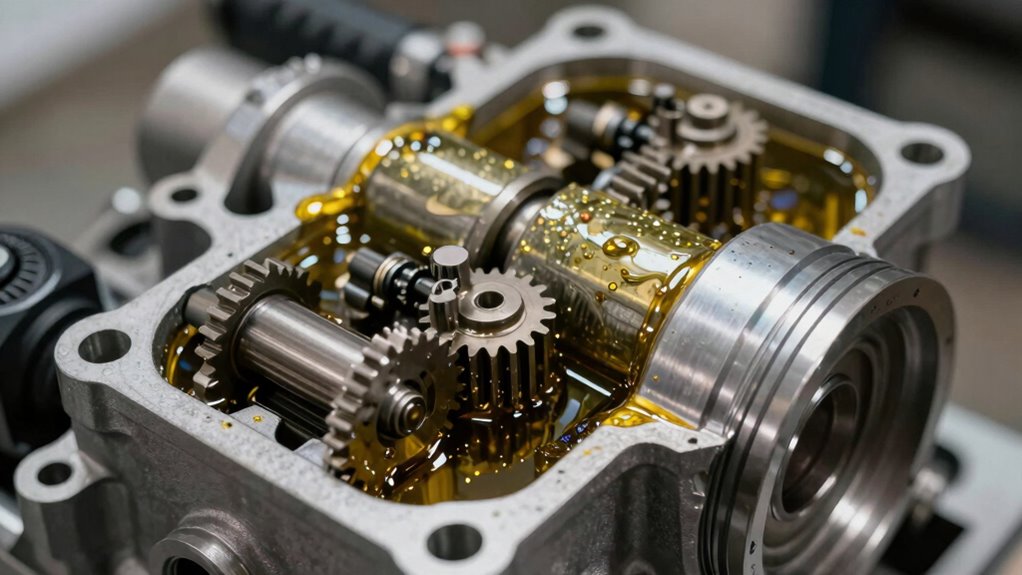
ZDDP, or zinc dialkyldithiophosphate, is a powerful additive used in motor oils to protect engine components. It acts as a sacrificial film-former, forming a protective layer on metal surfaces that reduces wear and friction during engine operation. This additive is especially crucial in engines with high-stress conditions, where metal-to-metal contact is common. Without ZDDP, engine parts can wear faster, leading to decreased performance and potential damage. Its chemical composition allows it to bond to metal surfaces, creating a barrier that minimizes metal degradation. Many motor oils include ZDDP because it helps extend engine life and ensures reliable performance. Understanding its role highlights why ZDDP remains a key additive in maintaining engine health over time. Understanding its chemical composition helps in appreciating how ZDDP bonds effectively with metal surfaces, providing optimal protection.
How Does ZDDP Protect Engine Parts?
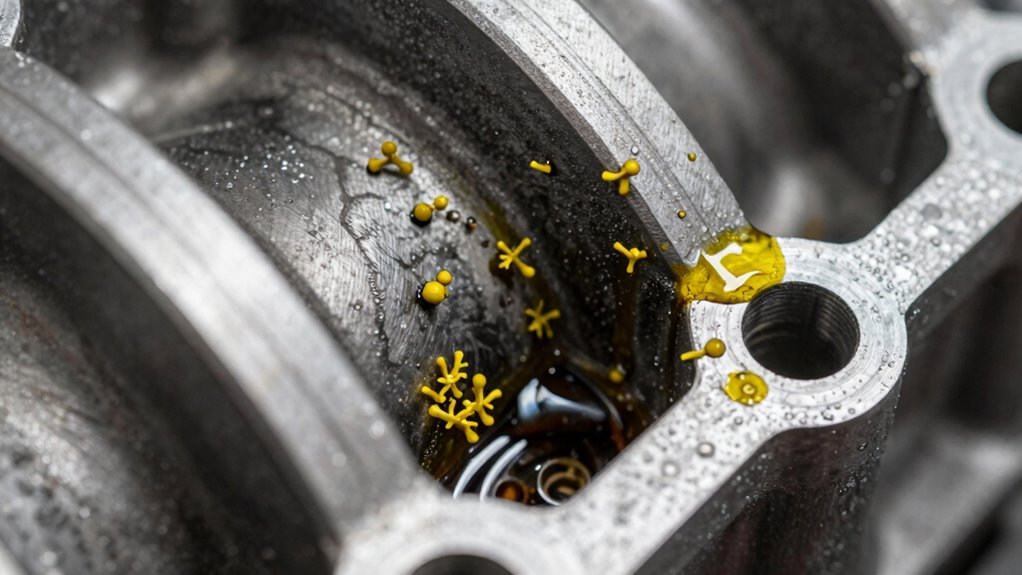
ZDDP protects engine parts by forming a durable, sacrificial film on metal surfaces that withstands high-stress conditions. This film acts as a barrier, preventing metal-to-metal contact during engine operation. When operating at high temperatures and pressures, ZDDP releases phosphorus and zinc compounds that react with metal surfaces to create this protective layer. This layer absorbs frictional forces and reduces wear, extending engine life. Here’s a quick look at how it works:
| Action | Result |
|---|---|
| ZDDP decomposes under heat | Forms protective phosphate film |
| The film adheres to metal | Shields against wear and corrosion |
| Friction occurs | The film sacrifices itself to protect |
| Engine runs smoothly | Reduced wear and longer lifespan |
Additionally, understanding gear care tips can help maintain the effectiveness of such protective additives by ensuring engine cleanliness and proper maintenance. Proper oil change schedules are essential to keep ZDDP levels optimal for continued engine protection. Regular engine inspections can also detect early signs of wear and ensure the additive functions effectively over time. Maintaining oil quality ensures the additive’s protective properties are preserved during operation. Incorporating proper lubrication techniques can further enhance the longevity of engine components and optimize additive performance.
Do Modern Engines Still Need ZDDP?
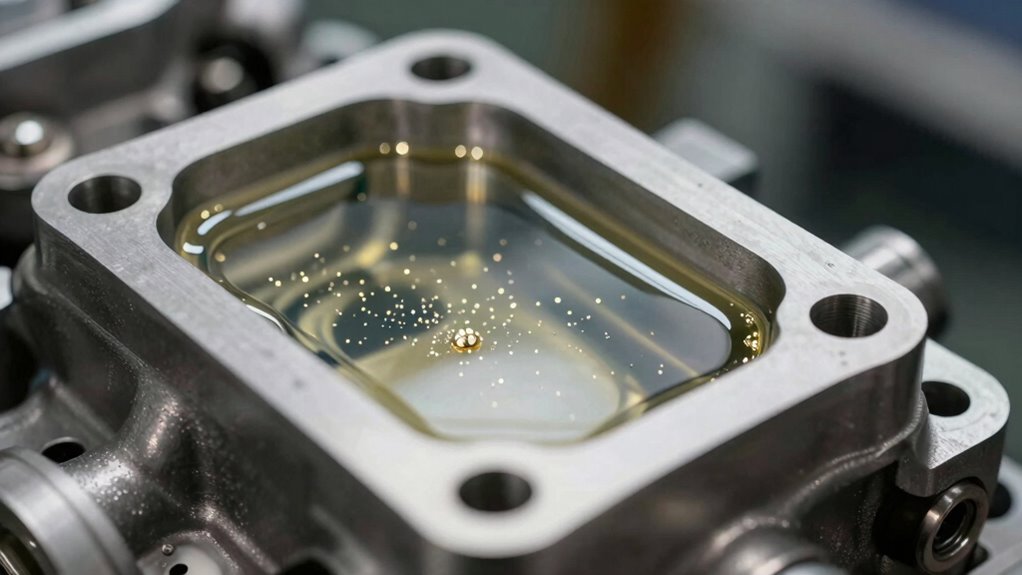
Are modern engines still relying on ZDDP for protection? The answer is yes, but with some nuances. Advances in engine design and materials have reduced the need for high ZDDP levels, especially in newer vehicles. Many automakers now specify oils with lower ZDDP content to protect catalytic converters and emission systems. However, if you own an older engine, classic car, or a high-performance machine, ZDDP remains essential to prevent engine wear. Modern oils often contain just enough ZDDP to maintain adequate protection without harming emission controls. So, whether you need ZDDP depends on your engine’s age, design, and intended use. Always check your vehicle’s manufacturer recommendations to choose the right oil additive levels for ideal engine health. Additionally, understanding how contrast ratio influences image quality can help you select the best projector for your setup. Furthermore, it’s important to understand engine wear prevention techniques to maintain engine longevity and performance. Proper oil formulation ensures that your engine receives the right balance of additives like ZDDP for optimal protection. In some cases, supplementing with engine oil additives may be beneficial for older engines that require extra protection. Recognizing engine compatibility with specific additives can help you avoid potential issues and keep your engine running smoothly.
Common Myths About ZDDP Explained
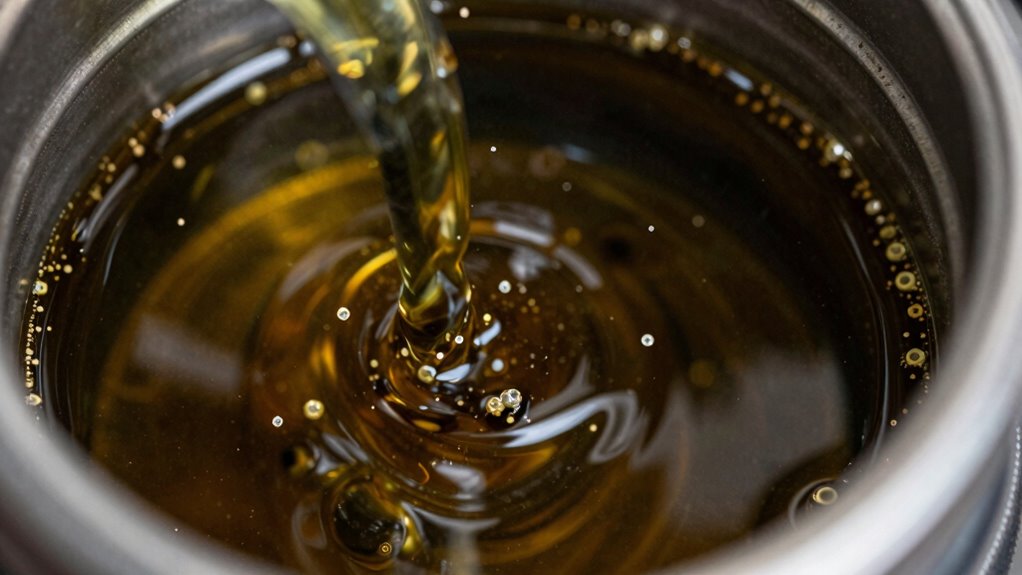
Many people believe that all engine oils containing ZDDP will inevitably harm catalytic converters, but this isn’t entirely true. Modern formulations have reduced ZDDP levels to balance engine protection and emissions. Here are some common myths:
- More ZDDP always means better protection. Excessive ZDDP can actually cause deposits that harm engines, especially if not properly balanced with other additives.
- ZDDP is only for vintage engines. It still benefits modern engines with flat tappets or older designs, particularly in high-stress conditions.
- All ZDDP oils are the same. Quality, concentration, and additive blends vary, affecting performance and emissions. Additive formulations play a crucial role in how effective and safe an oil is for your engine.
Understanding these myths helps you make better choices for your engine’s health and longevity. Not all ZDDP-containing oils are dangerous or unnecessary; it’s about selecting the right product for your specific vehicle and needs. Additionally, the horsepower of electric dirt bikes can be quite high, which impacts how much protection the oil needs to provide during demanding rides.
How to Choose the Right Oil With ZDDP for Your Vehicle
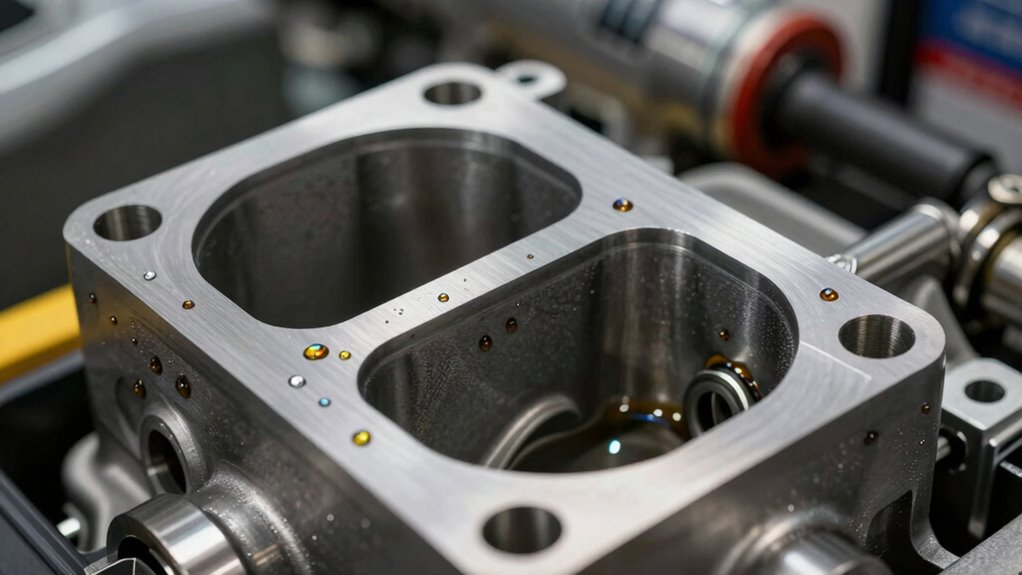
Choosing the right oil with ZDDP depends on your vehicle’s specific needs, including compatibility factors and engine design. You should also consider the oil’s viscosity and whether it suits your driving conditions. Additionally, understanding engine wear protection helps you select an oil that provides optimal longevity for your engine components. Proper oil formulation is crucial to ensure the right concentration of ZDDP without overuse, which can lead to unnecessary wear or deposit buildup. Finally, check the ZDDP concentration levels to guarantee the best protection without risking overuse. To make an informed decision, it’s essential to verify the lubricant specifications and ensure the oil meets relevant approvals and standards.
Vehicle Compatibility Factors
Selecting the right oil with ZDDP depends on your vehicle’s specific requirements and compatibility. Not all oils suit every engine, especially older or specialized models. To guarantee ideal performance, consider these factors:
- Engine Age and Design: Older engines with flat tappet cams often need higher ZDDP levels, while newer engines may require lower levels to prevent catalytic converter damage.
- Manufacturer Recommendations: Always check your vehicle’s manual for preferred oil specifications and ZDDP levels.
- Oil Compatibility: Some oils are formulated to meet specific standards or certifications, ensuring they work well with your engine’s materials and design.
Oil Viscosity Considerations
Your vehicle’s ideal performance depends heavily on choosing the right oil viscosity, especially when it contains ZDDP. The correct viscosity guarantees proper lubrication, engine protection, and peak ZDDP effectiveness. If you select an oil that’s too thick, it may cause increased resistance and reduced fuel efficiency. Conversely, an oil that’s too thin might not provide enough film strength to protect engine parts, particularly with ZDDP’s sacrificial wear protection. Always follow your vehicle manufacturer’s recommended viscosity ratings, typically found in your owner’s manual. Modern engines often require specific viscosity grades like 5W-30 or 0W-20, which balance flow at cold start and protection at operating temperature. Choosing the right viscosity helps maximize ZDDP’s benefits while maintaining engine health. Proper oil viscosity is essential for ensuring optimal performance and longevity of the engine components protected by ZDDP. Ensuring you select the appropriate viscosity also helps maintain the oil film strength necessary for effective ZDDP functioning and engine durability, especially considering how oil viscosity considerations influence overall engine protection.
ZDDP Concentration Levels
Since ZDDP’s effectiveness depends on its concentration, it’s important to pay attention to the amount present in your oil. Too little, and you won’t get adequate protection; too much, and it could cause issues like increased wear or catalyst poisoning. To choose the right oil, consider these points:
- Check your vehicle manufacturer’s recommended ZDDP levels—these vary based on engine design and age.
- Look for oils labeled with specific ZDDP concentrations, typically measured in parts per million (ppm).
- Avoid excessively high ZDDP levels if your engine has catalytic converters, as they can be damaged by overuse.
- Understanding the engine safety factors related to ZDDP levels can help prevent long-term damage and ensure optimal performance. Additionally, knowing the appropriate ZDDP concentration for your specific engine type can help you make more informed decisions. Regularly monitoring oil additive levels with proper testing tools can further optimize your oil choices. It’s also helpful to stay informed about industry standards to ensure your oil meets safety and performance benchmarks. Regularly consulting manufacturer guidelines can also assist in maintaining the correct ZDDP balance.
Balancing ZDDP levels ensures ideal protection without risking long-term damage, so always follow manufacturer guidelines.
What Are the Risks and Limitations of Using ZDDP?
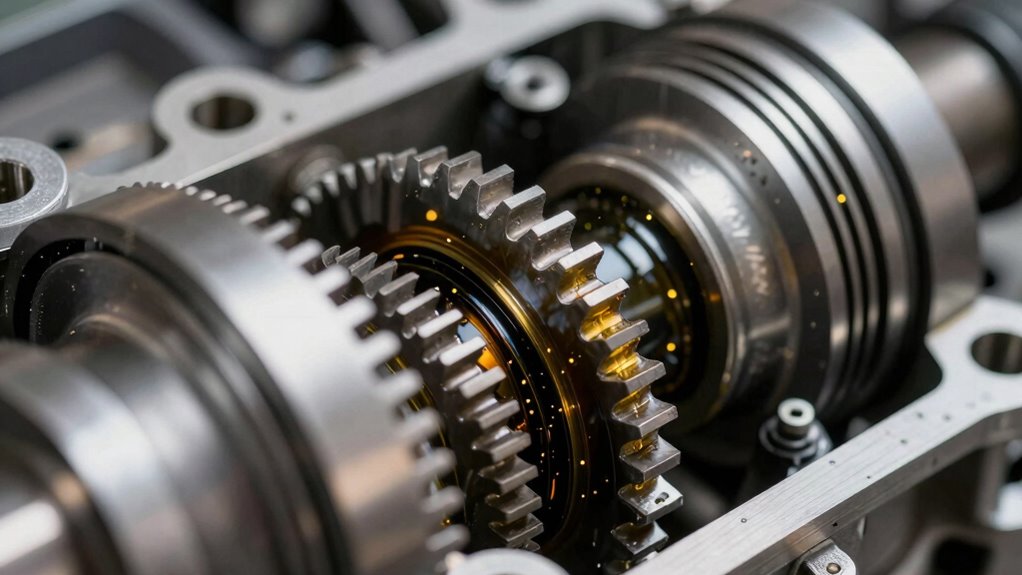
Are there any drawbacks to using ZDDP in your engine oil? Yes, there are some limitations. ZDDP can form deposits on engine parts, especially if used in high concentrations, which might lead to sludge buildup over time. It also tends to accelerate the wear of catalytic converters, reducing their lifespan, particularly in newer vehicles with sensitive emission systems. Additionally, excessive ZDDP may interfere with modern engine technologies, such as variable valve timing systems. Another concern is that not all oils are compatible with high ZDDP levels, which could cause issues with seals or gaskets. Improper use of ZDDP can also result in deposit formation, impacting engine performance. While ZDDP offers excellent wear protection, using it improperly or in excess can pose risks that impact your engine’s long-term health. Always follow manufacturer recommendations to balance benefits and limitations. Choosing and verifying synthetic lubricants helps ensure optimal ZDDP levels and compatibility with your engine components.
The Future of ZDDP in Engine Lubrication
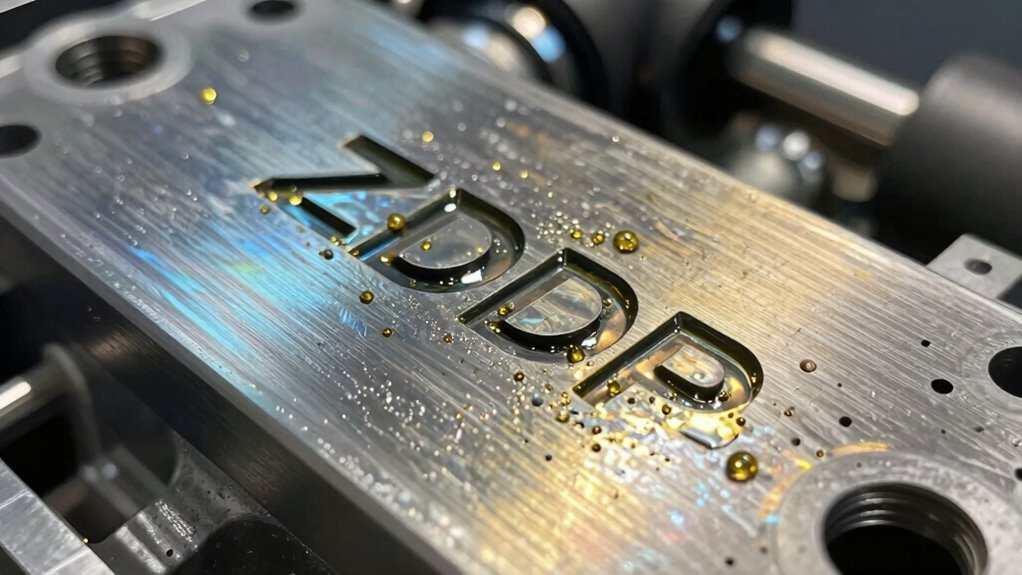
As environmental regulations become stricter and engine technologies evolve, the role of ZDDP in engine lubrication is likely to change substantially. You can expect manufacturers to develop new additives that balance wear protection with environmental concerns. Innovations may focus on reducing phosphorus and zinc levels without sacrificing performance. Additionally, ongoing AI discoveries could accelerate the development of advanced lubricants tailored to future engine needs.
Here are three key trends to watch:
- Development of low-phosphorus ZDDP formulations that meet emission standards.
- Integration of alternative anti-wear additives to replace traditional ZDDP.
- Increased use of synthetic oils designed to enhance protection with less additive reliance.
These changes aim to maintain engine durability while adhering to tighter regulations, shaping the future of engine lubrication for years to come.
Frequently Asked Questions
Can ZDDP Cause Engine Wear in Modern Vehicles?
Yes, ZDDP can cause engine wear in modern vehicles if used improperly. Its anti-wear properties protect engine parts, but high concentrations may lead to catalytic converter issues and increased deposits. You should choose oils with appropriate ZDDP levels for your engine type. Regular oil changes and using manufacturer-recommended oils help prevent potential wear and guarantee your engine runs smoothly without risking damage from excessive ZDDP.
How Does ZDDP Interact With Other Engine Additives?
Think of ZDDP as a busy teammate in your engine’s chemistry team. It interacts with other additives by forming a protective film, reducing metal contact, and working synergistically. When combined with detergents or anti-wear agents, it enhances overall engine protection. However, too much ZDDP can lead to conflicting reactions, so balancing it with other additives guarantees your engine stays healthy and performs smoothly.
Is ZDDP Environmentally Safe to Use Long-Term?
ZDDP’s long-term environmental safety is still debated. While it effectively protects your engine, it can contribute to phosphorus buildup, potentially harming catalytic converters and polluting water sources. You should use ZDDP in moderation and follow manufacturer guidelines to minimize environmental impact. Advances in additive technology aim to reduce its ecological footprint, so staying informed and choosing products with eco-friendly formulations helps protect the environment while maintaining engine health.
Are There Specific Engine Types That Benefit Most From ZDDP?
Think of ZDDP as a vintage leather-bound book—some engines, especially classic and older models, benefit most from its protective qualities. If you own an engine with flat tappet camshafts or is older, ZDDP provides critical wear protection and extends engine life. Modern engines with roller cams may see less benefit, but incorporating ZDDP can still help if you’re aiming for ideal protection and longevity.
How Does ZDDP Dosage Affect Engine Performance and Protection?
You’ll find that increasing ZDDP dosage generally boosts engine protection, especially for flat tappet cams and older engines prone to wear. However, too much can cause oil thickening and deposit buildup, potentially harming performance. Striking the right balance guarantees your engine gets adequate wear protection without compromising efficiency. Always follow manufacturer recommendations and consider your engine’s specific needs to optimize performance and longevity with ZDDP.
Conclusion
While ZDDP is essential for engine protection, relying solely on it overlooks modern engine technologies and potential risks. Just as a shield offers protection but can’t prevent every threat, ZDDP safeguards your engine but isn’t a cure-all. Embrace balanced lubrication, understanding its limits. In the end, using ZDDP wisely means respecting both its power and its boundaries—knowing that even the strongest armor needs careful care to keep your engine running smoothly.