
TL;DR
An InsideEVs reviewer tested the 2026 Chevrolet Silverado EV Trail Boss, a lifted electric pickup with a 205-kWh Max battery and an EPA-rated 478-mile range. The review praised its presence, range and personality but found its size, price and weight raised questions about its practicality and off-road ability.
InsideEVs has published a review of the 2026 Chevrolet Silverado EV Trail Boss, a lifted electric pickup that the reviewer found compelling despite its size, weight and price. The tested truck had a 205-kilowatt-hour Max battery, an EPA-rated 478-mile range and an as-tested price of $97,180; the reviewer praised its road presence and character while questioning how well its bulk suits off-road driving.

Get business pricing on garage and car supplies
- Business-only prices and quantity discounts
- Tax-exempt purchasing
- Multiple users, one account, clear invoices
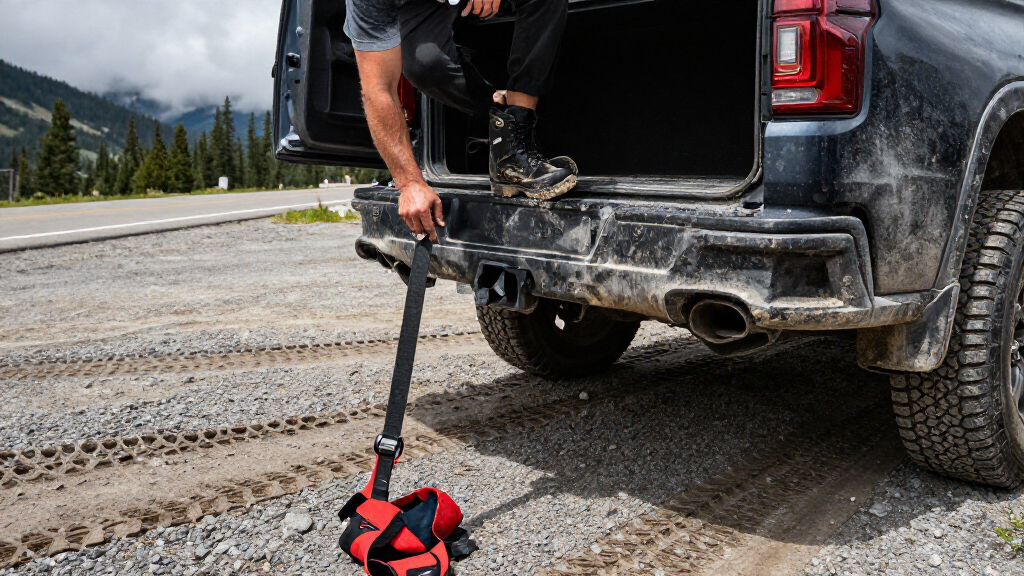
The Trail Boss starts at $72,595 including destination with the Extended Range battery. The reviewed vehicle had the larger Max pack and options, bringing its price to $97,180. InsideEVs describes the trim as an adventure-focused version of the Silverado EV, with a two-inch lift, about 10 inches of ground clearance, 35-inch Goodyear Wrangler all-terrain tires on 18-inch wheels, and red front tow hooks.
Its additional equipment includes Terrain mode, which the review says is exclusive to this trim and uses four-wheel steering to help with tighter trails. Off-Road mode adjusts traction, while Sidewinder turns all four wheels in the same direction. The suspension has a different rebound calibration. The reviewer said those features did not erase the constraints of moving a truck weighing about 8,500 pounds over a trail; the supplied report does not include the full account of that test.
In the reviewer’s week with the Max-pack truck, its displayed range was 503 miles when it arrived fully charged. That is a dashboard estimate, not the EPA figure: the Max-pack Trail Boss is rated at 478 miles by the EPA. At an Ionna station rated at 400 kilowatts, the truck charged from 23% to 80% in 38 minutes, peaking at 363 kilowatts, according to the review. The reviewer measured efficiency at 2.3 miles per kilowatt-hour in the test. Chevrolet loaned the truck for a week, a disclosure noted by InsideEVs.
Range Meets Truck Size and Cost
The review captures a tension for buyers considering a large electric pickup: the Silverado EV can travel a long distance between charges, but its large battery and substantial mass come with trade-offs. The reviewer reported a 205-kWh gross battery capacity in the Max-pack truck and said the vehicle’s weight affected how it behaved off-road. Its observed efficiency was 2.3 miles per kilowatt-hour, so the EPA range alone does not describe the energy needed to move it.
Cost is another constraint. The reviewed example was almost $25,000 above the Trail Boss starting price once equipped with the Max battery and options. The review’s appeal is not a finding that the truck is a practical fit for most drivers: the writer instead says it drew attention and compliments, and that its personality made it enjoyable despite reservations about its rational case. That distinction matters to readers weighing specifications and price against the less measurable experience of driving a vehicle.
The review also points to the pickup’s potential utility beyond driving range. The Silverado EV has a bidirectional charging system, which can send power outward. The source says it can power an average home for days, but the supplied material gives no test conditions or specific duration. That capability may matter to some owners, but the actual result depends on use and circumstances not detailed in the report.
Products Worth Considering

Autel MaxiCharger Level 2 Smart Home EV Charger, NACS, 50A, 240V, 25-Foot Cable

VIOFO A329S 4K 60FPS Front and 2K Rear Dash Cam

Chemical Guys 14-Piece Arsenal Builder Car Wash Kit with Foam Blaster
As an affiliate, we earn on qualifying purchases.
How the Trail Boss Differs
The Trail Boss brings a familiar Chevrolet trim name to the electric Silverado, but its lift, all-terrain tires and drive modes are specific changes aimed at more rugged use. It is not presented in the report as a dedicated off-road vehicle without limits. Rather, the reviewer’s assessment is that its equipment looks capable on paper while the truck’s weight remains a practical constraint on trails.
The review places the truck in a market where large electric pickups have faced weaker demand than manufacturers expected. It reports that GM sold 11,275 Silverado EVs last year, compared with more than half a million gas and diesel Silverados. Those figures refer to different powertrain categories and the source does not provide further sales detail here. The report also says the Ford F-150 Lightning was discontinued last year and Tesla planned to end Cybertruck production the following year; those statements are the article’s market context, not findings from an independent sales analysis in the supplied material.
“It’s admirably nonsensical, and I hate that I liked it so much.”
— InsideEVs reviewer
Limits of a One-Week Test
The report is a one-week review of one loaned vehicle, not a long-term ownership study. Its observed efficiency and charge time describe the reviewer’s use and charging stop; the source material does not establish how the truck would perform across seasons, routes, payloads or repeated towing. The 503-mile figure was displayed on arrival, while the published EPA estimate for the Max-pack Trail Boss is 478 miles.
The supplied material gives only a partial account of the off-road drive and does not specify the route, conditions or a complete comparison with other pickups. It also does not provide a detailed test of towing, payload or home backup power. The reviewer’s positive response to the truck’s personality is an individual assessment, not evidence of broad buyer demand. The source does not establish why Silverado EV sales fell short of initial expectations or how the Trail Boss is selling.
What Buyers Can Verify
The next practical step for shoppers is to compare the version they are considering with Chevrolet’s current specifications and pricing, including battery choice, EPA range, charging rating, payload and towing limits. The review reports different charging ratings by battery: up to 350 kW for the Max pack, 300 kW for the Extended Range pack and 220 kW for the Standard pack. Those ratings are maximums; actual charging time varies by station and conditions.
Readers should also look for longer-term tests and more complete off-road and towing evaluations before treating the review’s week of driving as a full ownership picture. The supplied report does not identify a scheduled follow-up or a future company announcement. It remains to be seen whether the Trail Boss’s range, equipment and attention-grabbing design can translate into stronger demand for the electric Silverado.
Key Questions
What is the EPA range of the 2026 Silverado EV Trail Boss?
The Max-pack Trail Boss is rated for 478 miles by the EPA, according to the InsideEVs review. The reviewer saw 503 miles displayed when the test truck arrived fully charged; that was an indicated estimate, not the EPA rating.
How much does the Trail Boss cost?
InsideEVs lists a $72,595 starting price, including destination, with the Extended Range battery. The tested Max-pack truck with options cost $97,180.
How fast did the reviewed truck charge?
In one test at an Ionna station rated at 400 kilowatts, the truck charged from 23% to 80% in 38 minutes and reached a reported peak of 363 kilowatts. Charging results can vary by station and conditions.
What makes the Trail Boss different from other Silverado EV trims?
The review lists a two-inch lift, roughly 10 inches of ground clearance, 35-inch all-terrain tires, Trail Boss-specific drive features and revised suspension calibration. The trim is aimed at off-road use, though the reviewer said the truck’s weight remains a limitation on trails.
Did the review conclude that the truck is a practical buy?
No broad buying recommendation is established by the supplied material. The reviewer praised the truck’s personality and road presence while questioning its price, size and off-road practicality; the test covered one loaned vehicle for a week.
Source: insideevs.com