TL;DR

Get business pricing on garage and car supplies
- Business-only prices and quantity discounts
- Tax-exempt purchasing
- Multiple users, one account, clear invoices
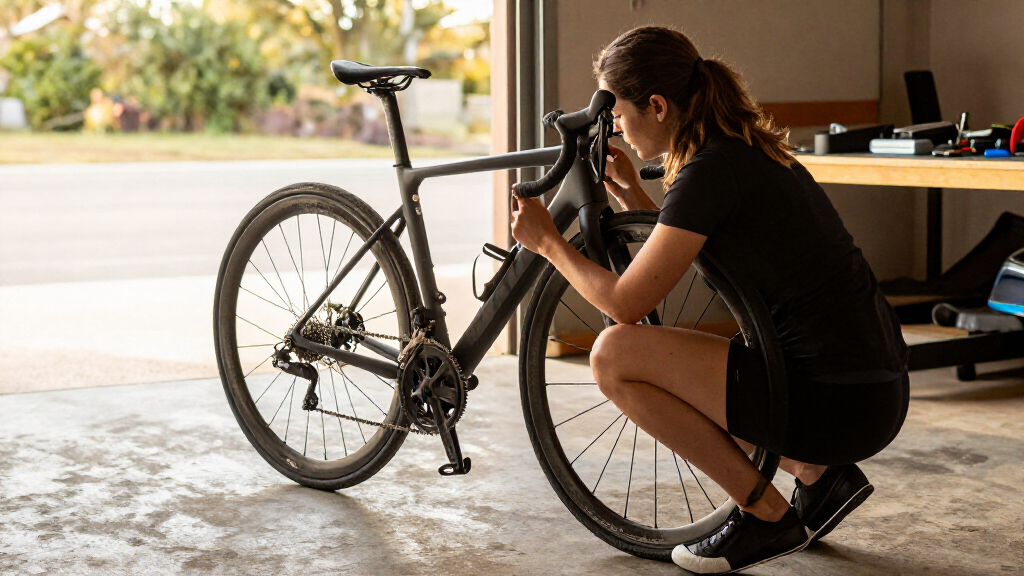
A Cycling Weekly report says copying professional riders’ low, forward positions may not suit recreational cyclists, who often ride at lower speeds and have less time for mobility work. It recommends choosing a setup around riding goals and getting an individual bike fit; more upright endurance bikes can reduce pressure and fatigue on longer rides.
Cycling Weekly is urging recreational cyclists not to copy professional riders’ bike positions by default, arguing that a low, forward race setup may be difficult to sustain for people with different flexibility, training time and riding speeds. The report recommends fitting a bike to the rider’s individual needs, with an endurance-oriented position often a better match for long or lower-speed rides.
Professional bike setups have shifted in recent years, according to the report. Riders increasingly position their saddles farther forward over the bottom bracket and use long, low front ends. That arrangement can support an open hip angle, power output and aerodynamics, but it is not a universal template for riders outside the professional peloton.
The report points to differences in training and physical preparation: professionals can devote substantial time to riding, mobility work and stretching, while many recreational cyclists spend long periods sitting at work. Those factors may make an aggressive position harder to maintain. A forward, low setup can also concentrate pressure on the wrists and forearms, particularly over long or rough rides.
For riders focused on comfort and endurance, the report recommends considering bikes with a shorter reach and higher stack, which allow a more upright position. It compares the Cannondale Synapse endurance bike with the SuperSix race model, saying their performance can be similar in like-for-like terms while their geometry and intended use differ. A professional bike fit, including a range-of-motion assessment and discussion of riding goals, is the report’s main recommendation.
Comfort Can Shape Long-Ride Pace
The choice of position can affect not only how a bike feels, but how long a rider can sustain effort. The report argues that a comfortable setup may reduce fatigue and pressure, allowing riders to maintain power over longer distances. In that sense, a less aggressive position could be faster over an event for a rider who would otherwise tire or need to ease off.
That is not a claim that upright bikes are always quicker. Aerodynamics become more important at high speeds, and the source notes that amateur races and fast group rides can exceed 40 km/h. For riders regularly targeting that pace, a lower, more aerodynamic position may make sense if they can hold it comfortably. The practical point is to match the setup to the rider and the event rather than treating professional equipment as a shortcut to performance.
bike fitting kit for recreational riders
As an affiliate, we earn on qualifying purchases.
As an affiliate, we earn on qualifying purchases.
Race Geometry Has a Specific Purpose
The report describes professional positioning as a response in part to the demands of racing at high speed. It cites Tour de France stages that averaged more than 45 km/h, and reports that the 11th stage from Vichy to Nevers averaged 50.91 km/h. At those speeds, aerodynamic drag is a major factor: the article estimates it accounts for about 80% to 90% of the forces a rider must overcome.
Those conditions differ from many recreational rides, which the report says often target speeds of about 25 to 35 km/h. It also notes that some professional riders have adopted higher handlebar positions, with more spacers beneath the bars. The source presents this as evidence that even elite setups can vary as riders balance comfort and performance; it does not establish a single ideal position for all cyclists.
““This is why most consumers who ride for pleasure, do sportive events, or target rides between 25 and 35km/h should look at an endurance bike rather than a race bike.””
— Cycling Weekly report
As an affiliate, we earn on qualifying purchases.
No Single Fit Suits Every Rider
The report does not provide a controlled comparison showing how much faster or more comfortable one specific bike position is across different riders. Its performance and comfort conclusions are guidance based on the author’s experience and the reported differences between bike designs, not a universal guarantee.
Individual flexibility, injury history, riding duration, terrain and event pace all affect what position a cyclist can sustain. The source does not specify a standard fitting protocol or provide data comparing long-term injury outcomes. Riders should treat the examples as reasons to seek an assessment, not as a prescription to move a saddle or change cockpit dimensions on their own.
adjustable bike saddle for long rides
As an affiliate, we earn on qualifying purchases.
As an affiliate, we earn on qualifying purchases.
Start With Goals and a Fit
Riders considering a new bike or a position change can begin by describing their typical rides, target events and comfort issues to a qualified bike fitter. The report recommends a fitter who checks range of motion and asks about goals, since a race-focused setup and an endurance-focused setup may call for different compromises.
There is no single next industry milestone or policy change in the report. For cyclists, the immediate next step is to test a position suited to their own body and riding, then review comfort and performance over time. Anyone experiencing persistent pain should seek appropriate professional advice rather than assuming that discomfort is a normal part of copying a race setup.
As an affiliate, we earn on qualifying purchases.
Key Questions
Should recreational cyclists copy professional bike positions?
Not automatically. The Cycling Weekly report says professional setups are shaped by racing speeds, training and flexibility, which may differ from a recreational rider’s circumstances. A position should match the individual’s body, goals and typical rides.
What is the difference between an endurance bike and a race bike?
In the report’s comparison, an endurance bike has a shorter reach and higher stack, supporting a more upright position. Race bikes generally favor a lower, longer position. The source says models such as the Cannondale Synapse and SuperSix can have similar performance in like-for-like terms, while serving different riding priorities.
Can a more comfortable bike setup be faster?
It may be for a rider who can sustain effort longer with less fatigue. The report presents this as a likely benefit on longer rides, not a guarantee: aerodynamics can matter more for riders competing or riding at high speeds.
When should I get a bike fit?
The report recommends a specific bike fit for riders seeking to improve performance or increase riding volume. It says to look for a fitter who assesses range of motion and asks about the rider’s goals, including whether the focus is racing or endurance.
Source: rss
Halloween Picks
halloween
As an affiliate, we earn on qualifying purchases.