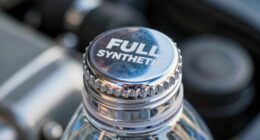
The ‘Full Synthetic’ label signifies high-quality, lab-engineered oil, but there’s more to know about what truly sets it apart—continue reading to discover.
Browsing Category
Label & Documentation
16 posts
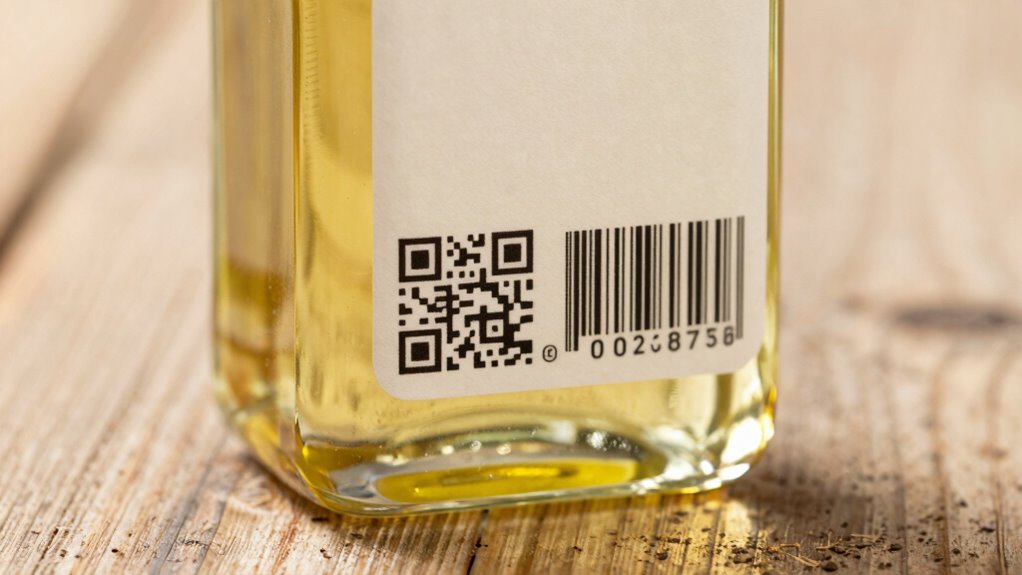
Do Barcodes and QR Codes Help Verify Oil Authenticity? Sometimes.
Discover how barcodes and QR codes can verify oil authenticity, but understand their limitations and the need for additional security measures.
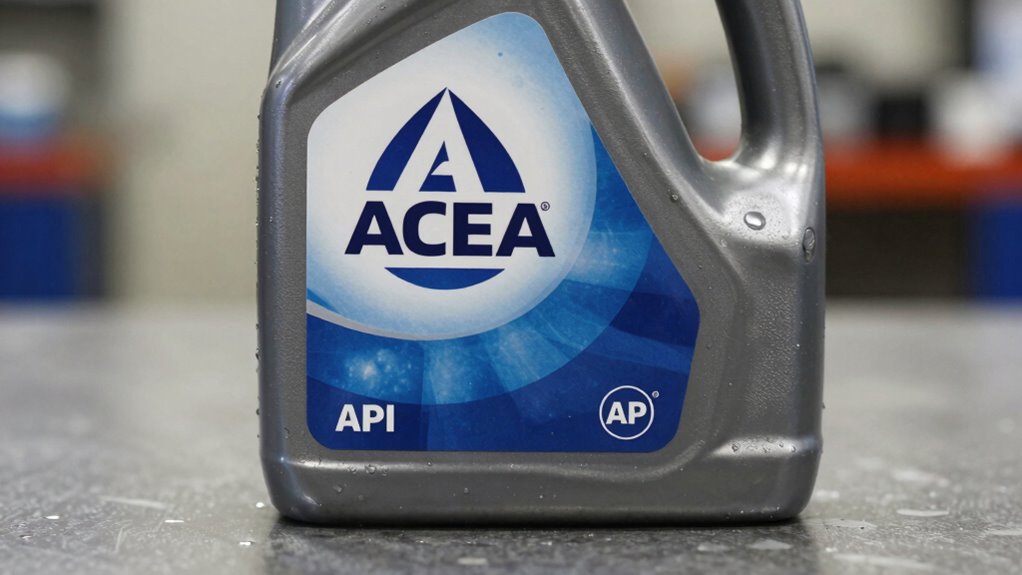
Why Some Labels List ACEA but Not API (and What That Suggests)
The reason some motor oil labels list ACEA but omit API ratings hints at underlying differences in regional standards, and understanding this can help you select the right oil.
How to Spot a Legit Approval Claim in 30 Seconds
How to spot a legit approval claim in 30 seconds? Learn key signs that reveal authenticity and what red flags to watch out for.
The ‘Typical Values’ Trap: Why Spec Sheets Aren’t Always Guarantees
Careful interpretation of spec sheets reveals why relying solely on ‘typical values’ can be misleading, and understanding the true performance range is crucial.
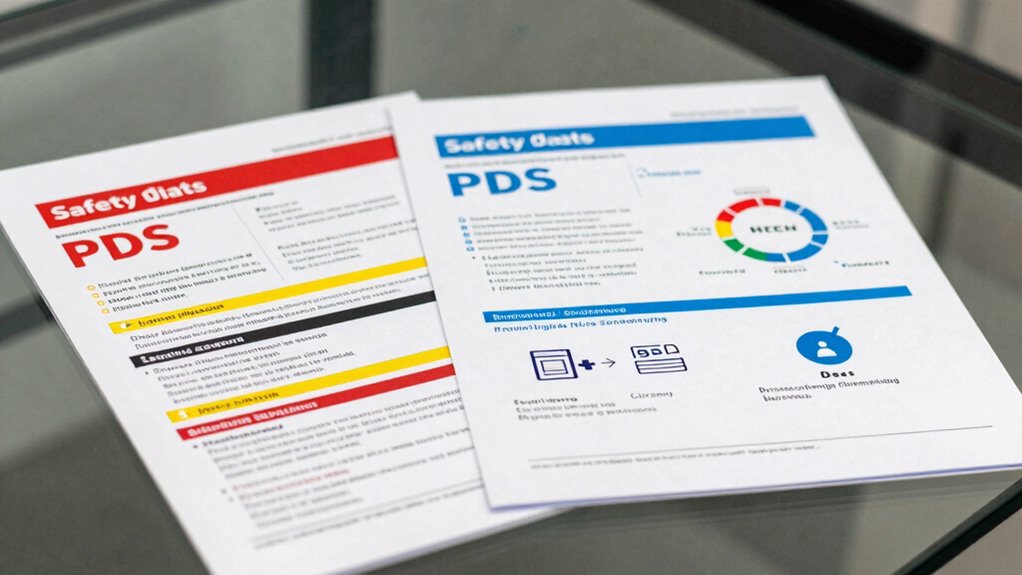
SDS vs PDS: Which Document Helps You Choose the Right Fluid?
Discover how SDS and PDS differ and which document guides you in selecting the right fluid for safety and performance.
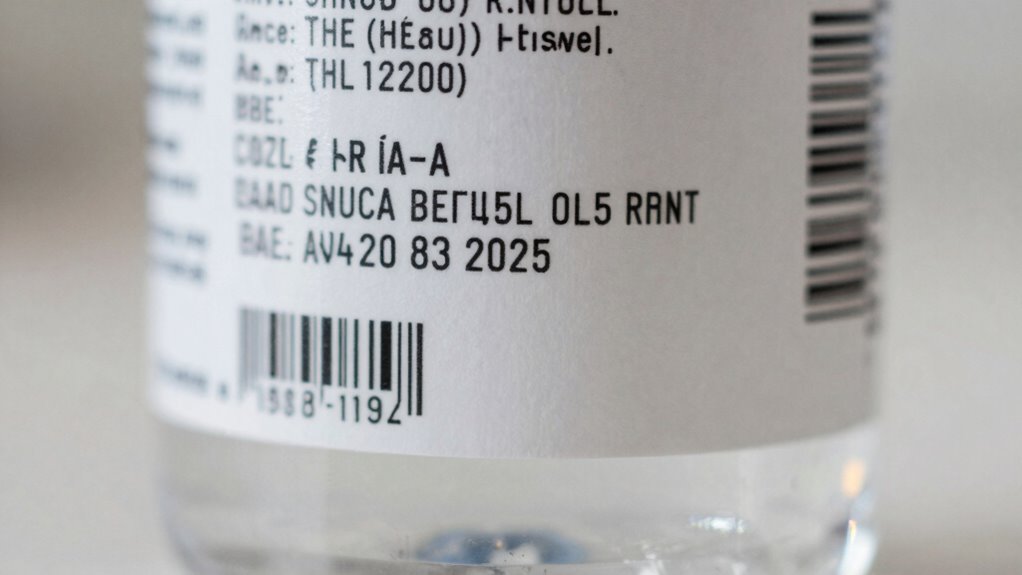
Batch Codes, Dates, and Traceability: What to Check Before You Trust a Bottle
Knowing what to check on batch codes and dates can help you spot fakes and ensure safety before trusting a bottle.
How to Compare Two Oils Without Falling for Marketing
Discover how to objectively compare oils beyond marketing hype and make smarter, healthier choices with confidence.
The Hidden Meaning of ‘For European Vehicles’ (It’s Not a Spec)
Gaining insight into ‘For European Vehicles’ reveals more than just standards; discover what truly matters for your car’s quality and safety.
Why ‘Recommended For’ Is Not the Same as ‘Required By’
Navigating the difference between “Recommended For” and “Required By” is crucial to avoid costly mistakes and ensure compliance.