Barcodes and QR codes can help verify oil authenticity, but their effectiveness depends on proper implementation and secure databases. When scanned, they provide quick access to product origin, manufacturing, and distribution details, making it easier to spot fake products. However, counterfeiters can duplicate or manipulate these codes, so relying solely on them isn’t foolproof. Combining codes with other security features enhances protection. Keep exploring how these tools work together for better assurance.

Get business pricing on garage and car supplies
- Business-only prices and quantity discounts
- Tax-exempt purchasing
- Multiple users, one account, clear invoices
Key Takeaways
- Barcodes and QR codes can provide quick access to product origin and supply chain data, aiding authenticity verification.
- They help detect counterfeits when scanned and cross-checked against official databases.
- However, counterfeiters can duplicate or manipulate codes, making sole reliance risky.
- Combining codes with additional security measures like holograms enhances overall product security.
- Effective verification depends on secure digital infrastructure and ongoing technological improvements.
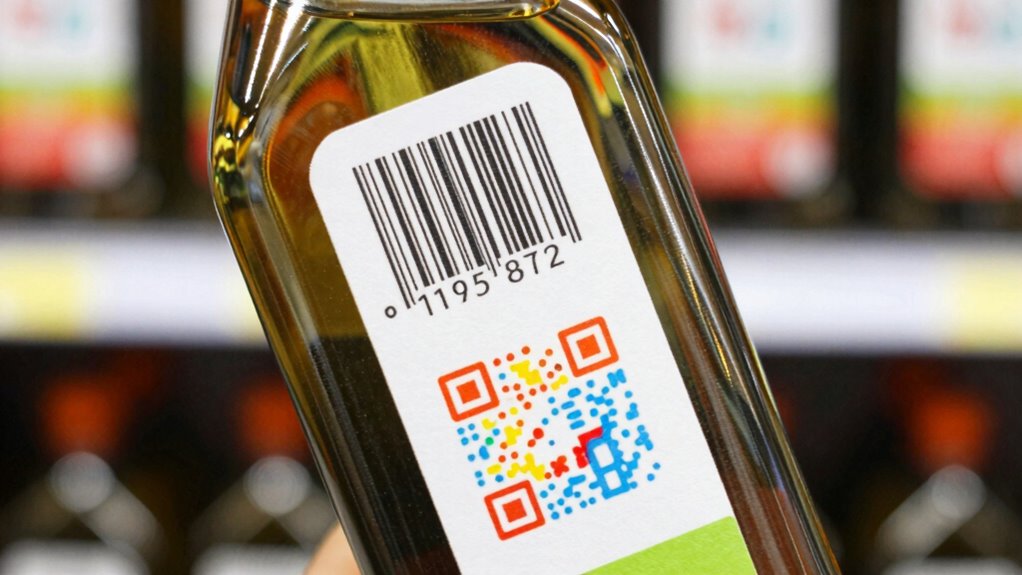
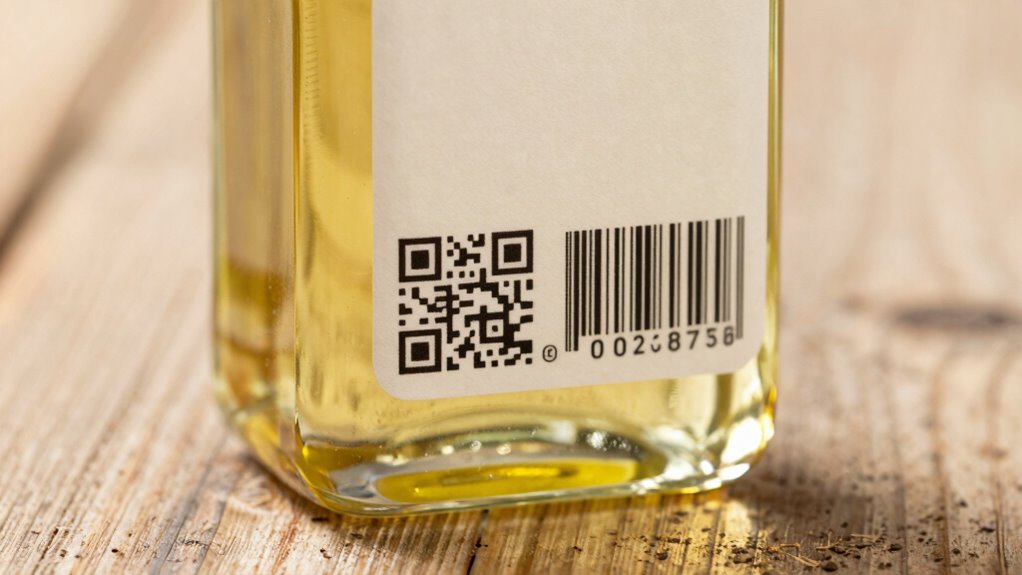
In today’s market, ensuring the authenticity of oil products can be challenging, but barcodes and QR codes are making it easier. These digital tools are increasingly used to combat counterfeiting and improve supply chain transparency. When you scan a barcode or QR code on an oil product, you gain quick access to vital information such as origin, manufacturing details, and distribution history. This transparency helps you verify whether the product is genuine or potentially counterfeit. However, it’s important to recognize that while these codes are useful, they are not foolproof. Counterfeiters have found ways to duplicate or manipulate barcode data, so relying solely on these markers isn’t enough for complete assurance.
Barcodes and QR codes help verify oil authenticity but are not foolproof security measures.
Counterfeit detection remains a crucial concern in the oil industry. Fake products can pose serious safety hazards, damage brand reputation, and lead to financial losses. Barcodes and QR codes serve as a first line of defense by providing a digital trail that can be checked against official databases. When a code is scanned, you should be able to confirm the product’s authenticity through verified information stored in secure servers. If the data doesn’t match or if the code appears tampered with, it’s a red flag that the product might be counterfeit. This quick verification process empowers you to make informed decisions and avoid potentially dangerous or substandard oils.
Supply chain transparency is another major benefit of barcode and QR code implementation. These codes allow manufacturers, suppliers, and retailers to track products at every stage of distribution. With this level of visibility, you can trace the journey of the oil from production to point-of-sale. Such transparency discourages illicit activity because any discrepancy in the supply chain can be detected early. When you scan the code, you get an instant snapshot of the product’s history, reducing the risk of unknowingly purchasing or handling fake oil. This not only protects consumers but also helps companies maintain trust and compliance with industry regulations.
That said, it’s essential to stay cautious. A barcode or QR code isn’t a guaranteed indicator of authenticity. Sophisticated counterfeiters can sometimes replicate codes or hack databases. To improve your confidence, look for additional security features like holograms, tamper-evident labels, or digital certificates linked to the codes. Combining these measures with scanning can greatly reduce the risk of falling victim to counterfeit products. In conclusion, barcodes and QR codes can help verify oil authenticity at times, but they work best when integrated into an all-encompassing security strategy that emphasizes counterfeit detection and supply chain transparency.
Additionally, understanding the technology behind the codes, such as encryption methods and secure databases, can further enhance the reliability of the verification process.
oil authenticity QR code scanner
As an affiliate, we earn on qualifying purchases.
As an affiliate, we earn on qualifying purchases.
Frequently Asked Questions
Can Barcodes and QR Codes Detect Counterfeit Oil Products?
Barcodes and QR codes can help identify counterfeit oil products by enhancing supply chain transparency. You can scan these codes to verify authenticity, track origin, and detect oil adulteration. While they aren’t foolproof, they add a layer of security, making it harder for counterfeit products to enter the market. Using these codes regularly helps make certain you’re getting genuine oil and supports efforts to combat fraud in the industry.
Are All Oil Brands Using QR Codes for Verification?
Not all oil brands use QR codes for verification. Think of packaging design like a signature—some brands choose it to stand out, others don’t. I’ve seen premium oils with sleek QR codes that guarantee authenticity, but budget brands often skip them. While many companies integrate QR codes into their oil branding for trust, others rely on traditional packaging, so don’t assume every bottle has that digital verification.
How Do I Verify Oil Authenticity Using a QR Code?
To verify oil authenticity using a QR code, scan it with your smartphone’s camera or a QR code reader app. The code should direct you to an official website or app displaying authenticity markers and details about the product. This helps you spot oil adulteration and confirm genuine origin. Always guarantee the QR code links to a trusted source, and cross-check the information to avoid counterfeit products.
Do Barcodes Provide Detailed Information About Oil Quality?
Barcodes can provide detailed information about oil quality, including oil origin and production details, when you scan them. Visualize scanning a barcode on a bottle, revealing data like extraction location and batch number. While they don’t directly assess oil purity, this info helps verify authenticity and trace the oil’s source. So, barcode scanning is a useful tool for gaining insights into oil quality and origin.
Are There Risks of Hacking QR Codes on Oil Packaging?
Yes, there are risks of hacking QR codes on oil packaging. You might fall victim to digital theft or data manipulation if hackers access or alter the codes, misleading you about the product’s authenticity or quality. Always verify the source of the QR code, and use trusted apps to scan codes. Stay cautious, because cybercriminals continually find new ways to exploit vulnerabilities in digital verification systems.
anti-counterfeit hologram labels for oils
As an affiliate, we earn on qualifying purchases.
As an affiliate, we earn on qualifying purchases.
Conclusion
So, while barcodes and QR codes can often help you verify oil authenticity, they’re not foolproof. Imagine scanning a QR code on a bottle and discovering it’s genuine—yet later, a lab test reveals it’s diluted or counterfeit. These codes are helpful tools, but always combine them with trusted brands and additional checks. That way, you’re more likely to guarantee the oil you buy is real and safe for your needs.
digital product verification tools
As an affiliate, we earn on qualifying purchases.
As an affiliate, we earn on qualifying purchases.
tamper-evident security labels for oils
As an affiliate, we earn on qualifying purchases.
As an affiliate, we earn on qualifying purchases.
Fall Picks
fall essentials
As an affiliate, we earn on qualifying purchases.