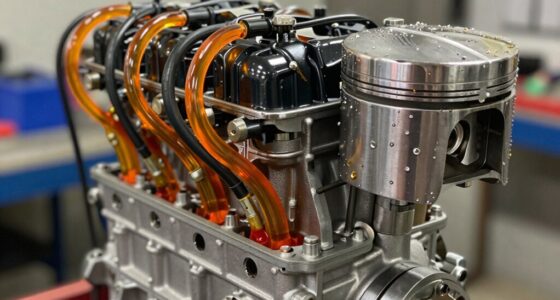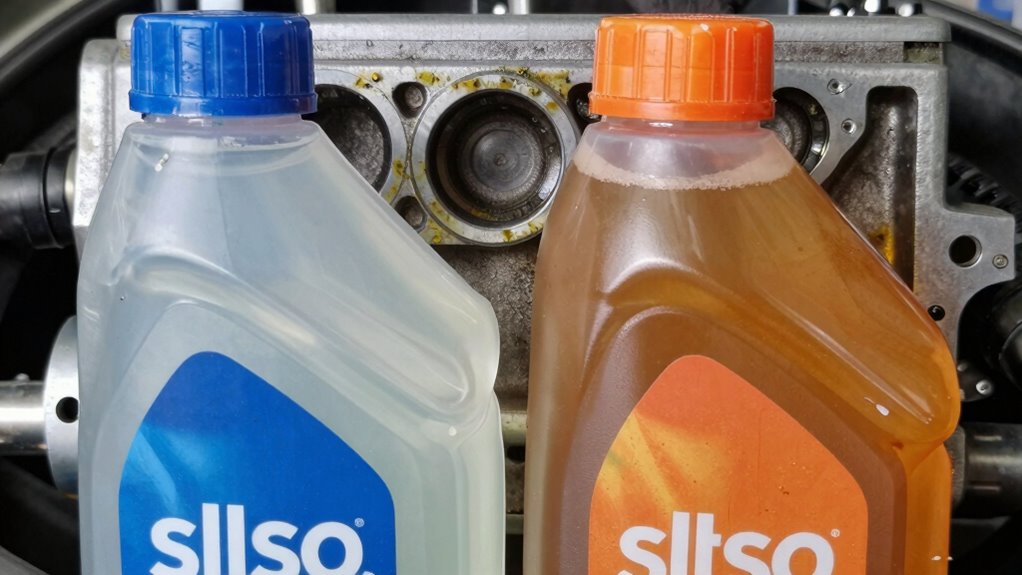

When choosing between ashless and low-ash 2-stroke oils, you’ll find that ashless oils burn cleaner, producing fewer deposits and keeping your engine smoother and cooler. Low-ash oils offer a balance, reducing residue while still supporting engines with emission systems or catalysts. Properly selecting the right oil minimizes deposits that can cause power loss or overheating. Want to understand how these options impact your engine’s performance and lifespan? Keep exploring to see what’s best for your equipment.

Get business pricing on garage and car supplies
- Business-only prices and quantity discounts
- Tax-exempt purchasing
- Multiple users, one account, clear invoices
Key Takeaways
- Ashless oils produce minimal residues, reducing deposit buildup and promoting cleaner engine operation.
- Low-ash oils contain additives that burn off cleanly, resulting in fewer deposits but slightly more than ashless oils.
- Traditional oils tend to create more deposits, which can impair engine performance and increase maintenance needs.
- Choosing between ashless and low-ash oils depends on engine type, emission standards, and deposit management needs.
- Proper oil selection enhances engine longevity, efficiency, and minimizes the risk of costly repairs caused by deposits.
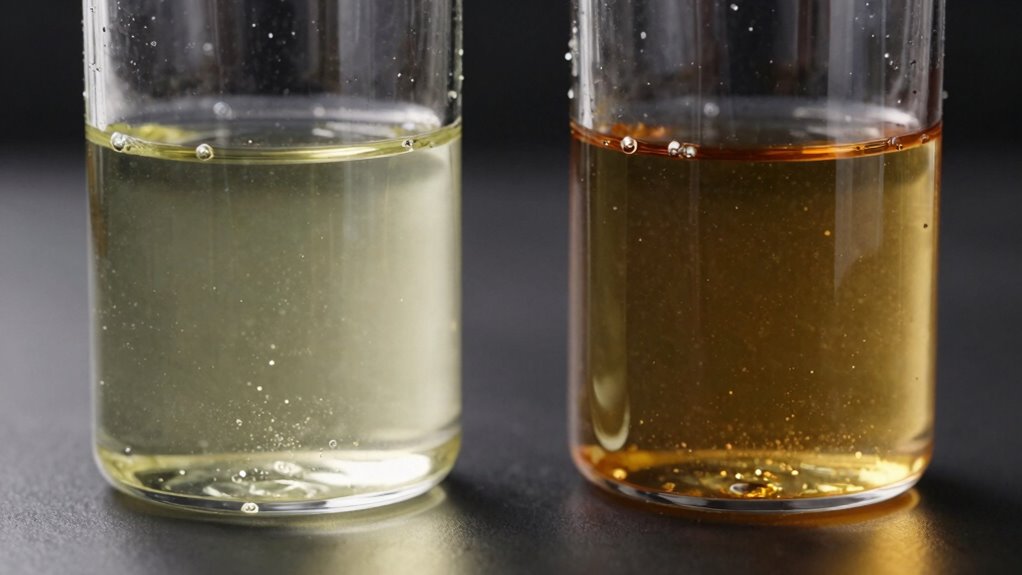
Are you wondering what makes 2-stroke oils essential for your engine’s performance? The type of oil you choose directly impacts how well your engine runs and how much you’ll spend on maintenance. Two common options are ashless and low-ash oils, each designed to optimize engine performance while managing deposits that can form over time. Selecting the right oil depends on understanding how these formulations influence deposits, efficiency, and long-term costs.
Ashless oils are formulated to burn completely, producing minimal ash residues that can clog combustion chambers and exhaust ports. This feature helps keep your engine cleaner, which translates to smoother operation and improved performance. When your engine runs cleaner, you’re less likely to experience overheating, power loss, or rough idling, all of which can negatively affect engine performance. Plus, since ashless oils generate fewer deposits, your engine tends to require less frequent maintenance, ultimately reducing maintenance costs over its lifespan. This makes ashless oils particularly appealing for high-performance or frequently used equipment, where keeping the engine clean is a priority.
Low-ash oils, on the other hand, contain additives designed to reduce ash but still produce some residues during combustion. They strike a balance between traditional oils and ashless formulations. These oils are often used in engines that have specific emission requirements or are equipped with catalysts sensitive to ash deposits. While they may not provide the same level of deposit control as ashless oils, they help maintain engine performance by minimizing harmful build-up that can impair power output or cause overheating. For you, this means fewer unexpected repairs or performance dips, which can help keep maintenance costs in check.
The key difference in deposits lies in their composition: ashless oils produce fewer residues because they contain fewer metallic additives, whereas low-ash oils contain additives that are designed to burn off cleanly. Over time, deposits from traditional oils can accumulate and interfere with engine operation, increasing wear and potentially leading to costly repairs. By choosing ashless oils, you’re actively reducing the risk of deposit formation, which helps maintain peak engine performance and keeps maintenance costs lower.
Ultimately, understanding the difference between ashless and low-ash oils allows you to make informed decisions that prolong your engine’s life and optimize its performance. If you’re after maximum cleanliness and efficiency, ashless oils are typically the better choice. For engines with specific emission standards or sensitive catalysts, low-ash oils might be more suitable. Whichever you select, knowing how these oils influence deposits and engine health helps you avoid unnecessary expenses and keeps your equipment running smoothly.
As an affiliate, we earn on qualifying purchases.
Frequently Asked Questions
How Often Should I Change My 2-Stroke Oil?
You should change your 2-stroke oil every 25 to 50 hours of use, depending on your equipment and oil type. Check your maintenance schedule for specific recommendations, especially if you’re using ashless or low-ash oils, which can affect deposits. Regular oil changes keep your engine clean and running smoothly, so stay attentive to your equipment’s performance and stick to the recommended oil change interval for ideal longevity.
Can I Mix Ashless and Low-Ash Oils?
Yes, you can mix ashless and low-ash oils, but you should check their compatibility and follow proper mixing guidelines. Typically, it’s best to stick with one type to ensure ideal engine performance and prevent potential issues. Always read the manufacturer’s instructions on the labels for recommended ratios, and avoid mixing different brands unless they specify compatibility. This helps maintain oil effectiveness and protects your engine.
What Are the Environmental Benefits of Ashless Oils?
You’ll find that ashless oils offer notable environmental benefits, especially because they’re more biodegradable and produce less toxicity. This means they break down faster in nature, reducing pollution and harm to wildlife. Using ashless oils helps minimize hazardous waste and emissions, making your engine operation cleaner and eco-friendlier. So, by choosing ashless oils, you actively contribute to a healthier environment while maintaining peak engine performance.
Are High-Performance 2-Stroke Oils More Expensive?
High-performance 2-stroke oils tend to be more expensive because of their specialized oil formulation. You’ll find the cost comparison shows they use higher-quality ingredients for better engine protection and reduced deposits. Although they cost more upfront, the improved performance and longer engine life can save you money over time. So, if you want top-tier protection, expect to pay a bit more for these premium oils.
How Do I Identify Deposits Caused by Oil Type?
Imagine your engine as a canvas, and oil residue as paint streaks. You’ll spot deposits by their coloration—dark, crusty patches hint at ash buildup from oil type. Ashless oils leave cleaner, semi-transparent deposits, while low-ash oils tend to produce lighter, less noticeable residue. Keep an eye on these deposit colors and textures; they tell you if your oil’s causing unwanted buildup, affecting your engine’s health.
low-ash 2-stroke oil for emission systems
As an affiliate, we earn on qualifying purchases.
As an affiliate, we earn on qualifying purchases.
Conclusion
Choosing between ashless and low-ash 2-stroke oils is like selecting the right brush for a masterpiece; each influences your engine’s performance and cleanliness differently. Ashless oils burn cleaner, sparking fewer deposits, while low-ash options strike a balance between protection and cleanliness. Think of it as tending a garden—carefully selecting your tools guarantees your engine stays vibrant and lush, free from the weeds of wear and deposits. Your choice shapes the engine’s symphony, keeping it humming smoothly for miles to come.
best 2-stroke oil for engine deposits
As an affiliate, we earn on qualifying purchases.
As an affiliate, we earn on qualifying purchases.
As an affiliate, we earn on qualifying purchases.
Fall Picks
fall essentials
As an affiliate, we earn on qualifying purchases.