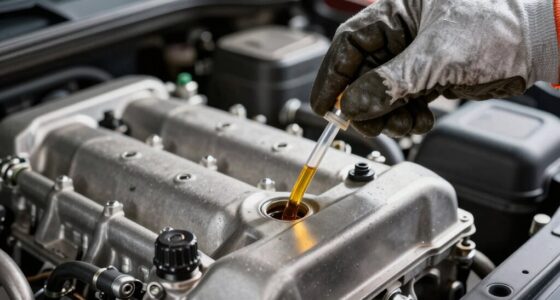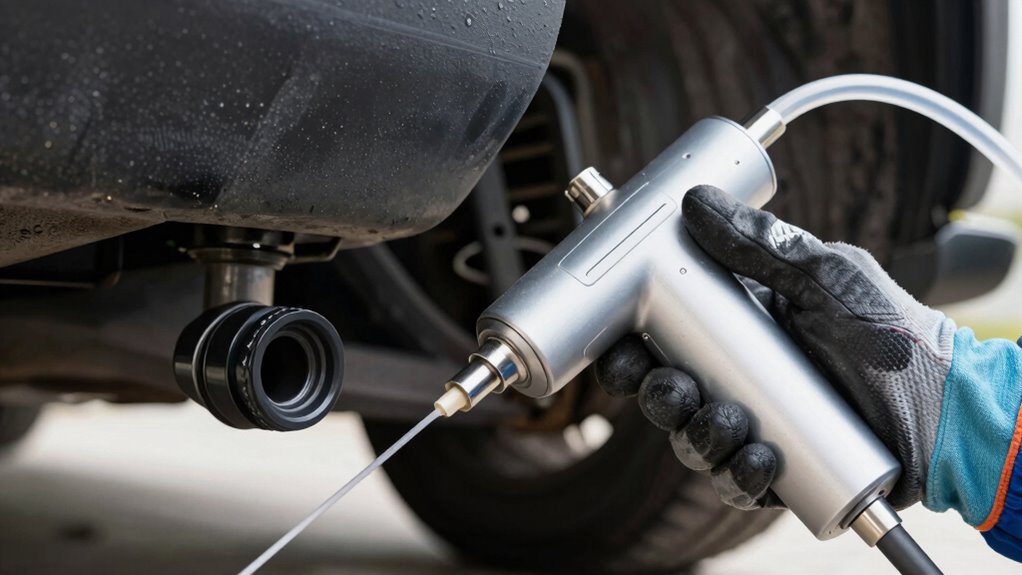

To make oil changes easier, compare using a drain plug or a vacuum extractor. The drain plug method involves removing a bolt to drain the oil, offering thorough cleaning but can be messier and time-consuming. The vacuum extractor uses specialized tools to suck out oil through the dipstick tube—quicker, cleaner, and ideal for tight spaces. Choosing the best depends on your vehicle and skills; learn more to pick the right approach.
Key Takeaways
- Vacuum extractors offer a cleaner, faster oil change process, ideal for hard-to-reach drain plugs.
- Drain plug method ensures thorough oil removal but can be messier and more time-consuming.
- Choosing the right method depends on vehicle access, personal skill, and the need for contaminant removal.
- Proper technique and tool maintenance are essential to simplify oil changes and prevent spills.
- Both methods can be effective; selecting the suitable one reduces effort and makes oil changes less cumbersome.
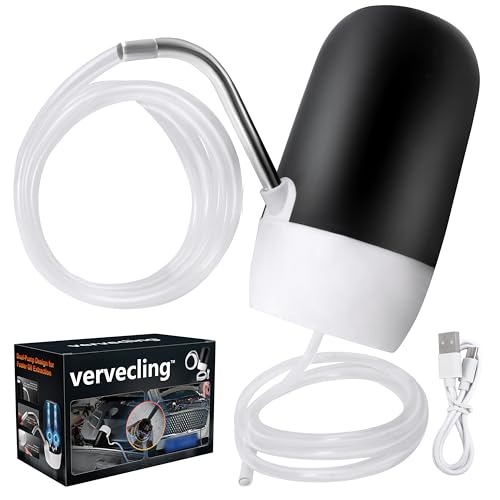
vervecling Oil Pump Extractor, Upgraded Self-Powered Electric Oil Change Pump, No Need Powered by Car, Engine Oil Transfer Pump, Fluid Transfer Pump for Marine, Boat, Car, ATV, RV, Truck, Motorbike
Zero Car Supply Power Drain:our self-powered electric oil extractor pump don't need to be powered by your car...
As an affiliate, we earn on qualifying purchases.
How Do Drain Plug and Vacuum Oil Changes Work?
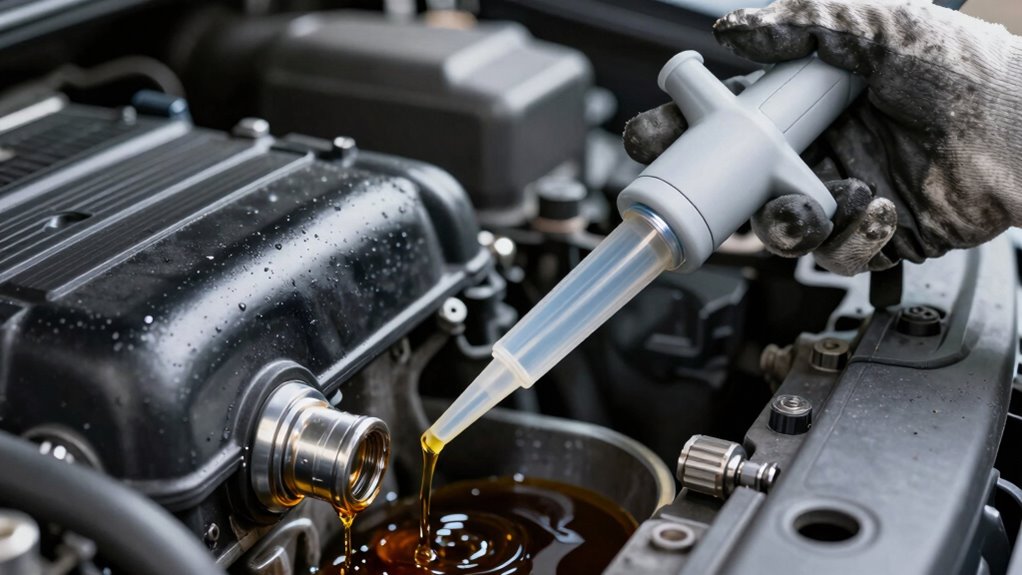
Both drain plug and vacuum oil changes are common methods for removing old engine oil, but they work quite differently. When you perform a drain plug oil change, you drain the oil by removing a bolt at the oil pan’s bottom, allowing gravity to do the work. This method has a long oil change history and is a traditional part of vehicle maintenance. In contrast, vacuum oil changes use a specialized tool to extract the oil through the dipstick tube, without removing the drain plug. This approach is cleaner and faster, especially for vehicles with difficult drain plug access. Understanding these methods helps you choose the right oil change technique, ensuring your vehicle stays well-maintained and runs smoothly. Additionally, choosing the right method can impact your vehicle’s overall performance and efficiency. Selecting the appropriate technique also involves considering regional and vehicle-specific factors, which can influence maintenance choices and outcomes. For example, accessibility of the drain plug can make one method more suitable than the other depending on your vehicle model. Moreover, understanding oil change procedures can help prevent potential issues like overfilling or incomplete drainage. Recognizing the advantages of each method can help you decide which approach is best for your circumstances.

UView 550000 Airlift Cooling System Leak Checker and Airlock Purge Tool Kit, OEM Approved, Universal Connectors, Minimum 90 PSI/60 Bar, Used for Leak Detection, Purging Airlocks, A/C System Refill
FAST & EFFICIENT REFILLS: Made in the USA, this high-performance tool rapidly fills the entire cooling system, including...
As an affiliate, we earn on qualifying purchases.
What Are the Pros and Cons of Each Oil Change Method?
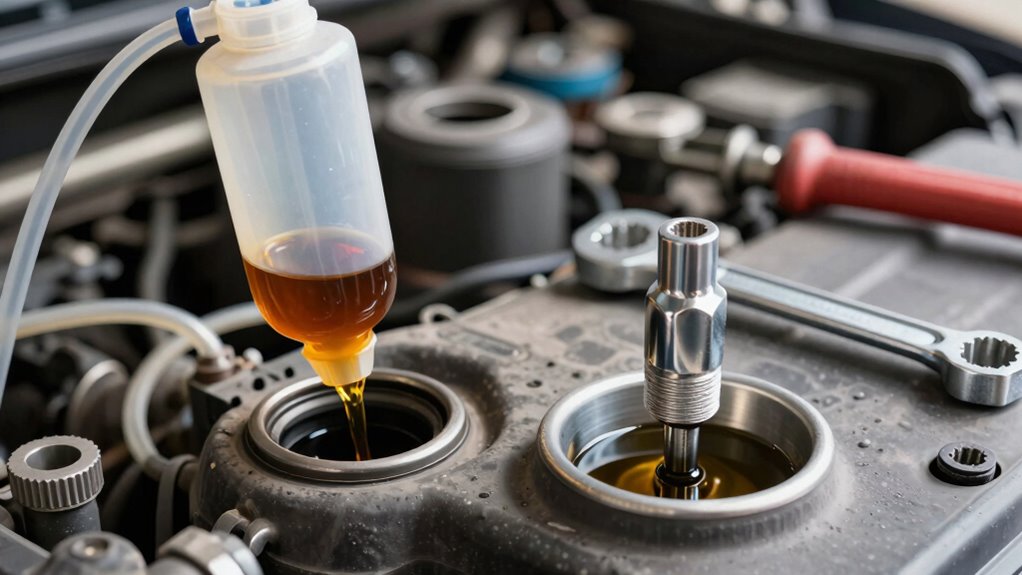
Understanding the advantages and disadvantages of drain plug and vacuum oil changes helps you decide which method best suits your vehicle and maintenance routine. Drain plug changes are straightforward, effective for removing synthetic oils, and allow complete drainage, but can be messier and time-consuming. Vacuum extractors are quicker, cleaner, and reduce exposure to oil, but might not remove all contaminants and can struggle with stubborn oil filters. Here’s a comparison:
| Aspect | Drain Plug | Vacuum Extractor | Consideration |
|---|---|---|---|
| Efficiency | High, complete drain | Moderate, partial removal | Choose based on contamination levels |
| Mess & Cleanup | More mess, requires tools | Cleaner, minimal cleanup | For convenience, vacuum works best |
| Compatibility | Works with synthetic oils, oil filter | Suitable for quick changes, small engines | Check your vehicle’s oil filter type |

DAYUAN Professional Radiator Cooling System Vacuum Purge Coolant Refill Tool Kit Set
Practical: Use the Cooling System Vacuum Purge and Refill Kit with Carrying Case – Car, SUV, Van, Light...
As an affiliate, we earn on qualifying purchases.
Which Oil Change Method Is Best for Your Vehicle and Skills?
Choosing the right oil change method depends on your vehicle’s design and your experience level. If your car has a straightforward drain plug and space to place a drain pan, the traditional drain plug method is simple and efficient. It’s ideal if you’re comfortable working under the vehicle and handling the oil filter, which may require a wrench or filter removal tool. On the other hand, if access to the drain plug is limited or you prefer a cleaner process, a vacuum extractor might be better. It minimizes mess and doesn’t require crawling under the car. Consider your comfort with different tools and your vehicle’s layout when deciding. Additionally, understanding automated maintenance tools can help you choose the most suitable method. Being aware of maintenance automation can further streamline your routine. Using ergonomic tools designed for oil changes can also reduce fatigue and improve safety. Picking the method that matches your skills and vehicle will make oil changes quicker, easier, and less stressful.

Yonligonju Vacuum Type Coolant Filling Tool Kit, Automotive Radiator Purge and Antifreeze Refill Tool Housing Hose with Adapter for Most Cars, Vans, SUVs and Trucks
1. Pneumatic Vacuum Type Coolant Filling Tool Kit: Use shop air to pump the cooling system to form...
As an affiliate, we earn on qualifying purchases.
How to Change Your Oil Using the Drain Plug Method
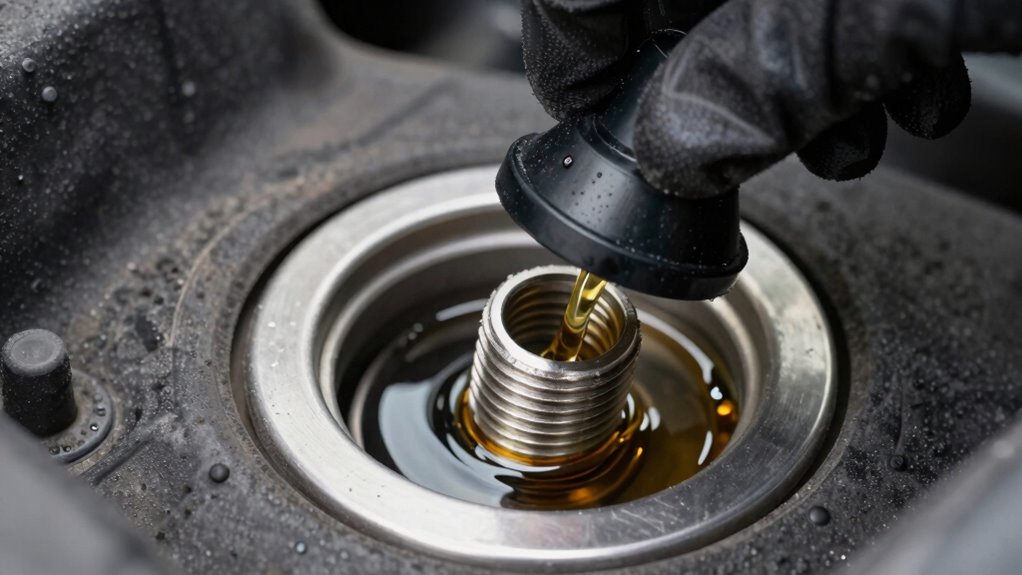
Changing your oil using the drain plug method is straightforward if your vehicle has a properly positioned drain plug and enough space underneath. First, warm up your engine to help the oil flow better. Then, place a drain pan beneath the drain plug. Use a wrench to carefully loosen and remove the plug, allowing the oil to drain completely. Don’t forget to replace the oil filter, which is essential for removing debris and maintaining oil viscosity. After draining, reinstall the drain plug tightly. Refill with the recommended oil type and viscosity, checking your vehicle’s manual for specifications. Keep these tips in mind:
- Use the correct socket for the drain plug
- Check the oil filter for proper installation
- Ensure the drain pan is positioned correctly
- Avoid over-tightening the drain plug
- Recycle used oil responsibly
- Proper disposal of used oil is crucial for environmental protection and responsible waste management. Proper disposal ensures the environmental safety of your community and complies with legal requirements. Additionally, understanding local oil recycling programs can make disposing of used oil more convenient and eco-friendly. Incorporating Indonesian decor masks into your space can also promote a sense of cultural appreciation and aesthetic harmony, enriching your home environment. To ensure a thorough oil change, consider technical aspects of vehicle maintenance to avoid potential issues later.
How to Use a Vacuum Extractor for Oil Changes
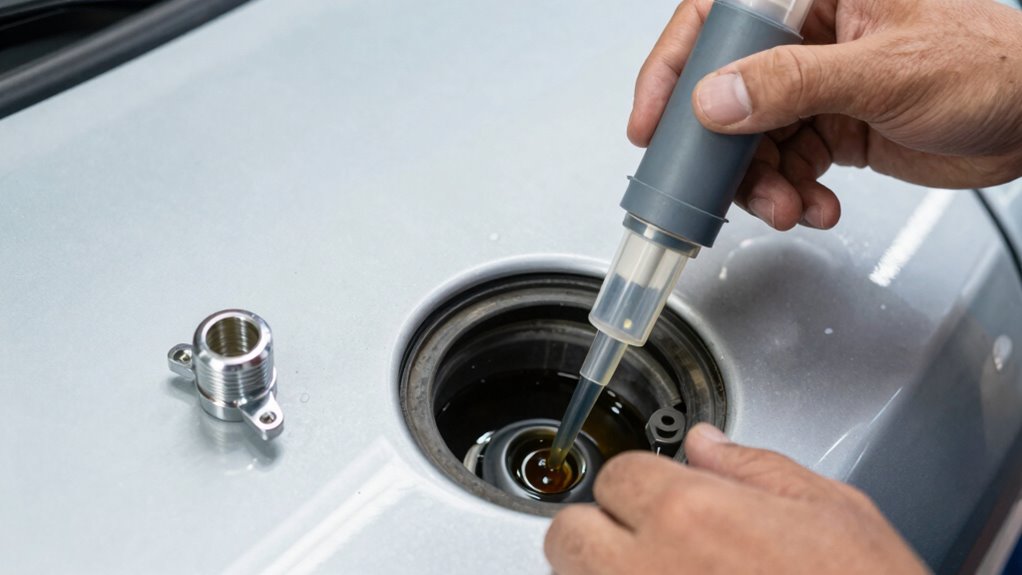
Using a vacuum extractor for oil changes offers a clean and efficient alternative to traditional draining methods. Start by ensuring your engine is cool, then remove the oil fill cap to allow smooth oil flow. Attach the vacuum hose securely to the extractor, making sure it’s sealed properly. Insert the hose into the dipstick tube or oil fill port, and activate the vacuum pump. As the oil is extracted, monitor the process to prevent over-suction. Once the oil is removed, disconnect the hose and dispose of the used oil responsibly. Regular vacuum maintenance helps keep the extractor functioning smoothly and prevents clogs. This method minimizes mess, reduces oil spills, and allows for quick, effective oil extraction without the need for draining plugs.
Troubleshooting Common Problems With Drain Plug and Vacuum Methods
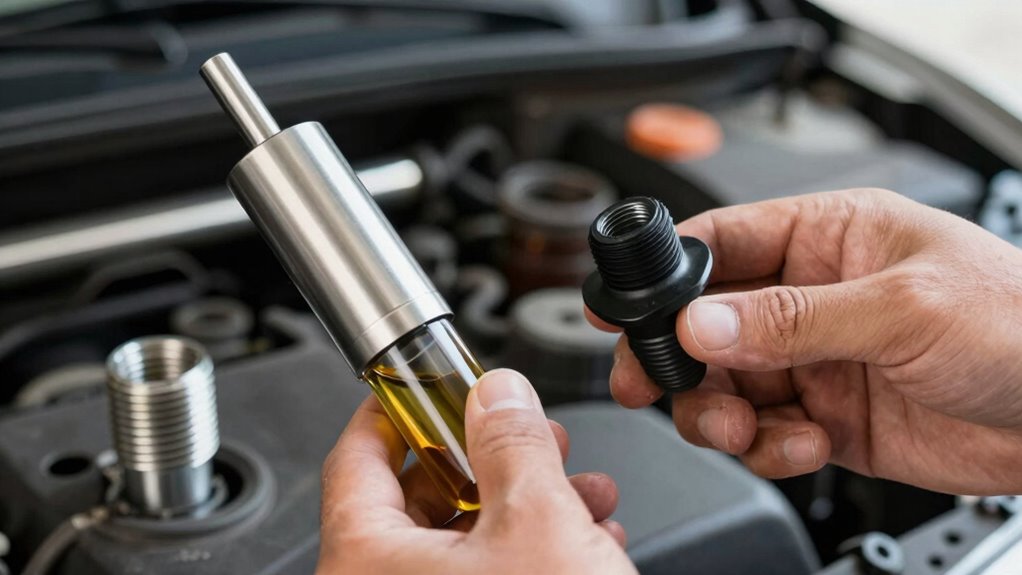
When you encounter issues with drain plug or vacuum extraction methods, troubleshooting quickly becomes essential to avoid delays and potential damage. First, check for leak detection problems, such as drips or oil seepage around the drain plug or vacuum hose. Ensure your tools are compatible with your vehicle’s make and model to prevent fitting issues. If the drain plug won’t loosen, avoid forcing it to prevent stripping threads. For vacuum extraction, verify the hose connection is airtight. Common problems include oil not draining fully or hose collapse. Address these by inspecting for blockages, replacing worn seals, and confirming proper tool compatibility. Proper maintenance of oil change equipment ensures smoother procedures and prevents costly repairs. Regularly inspecting and maintaining your air filtration system can also help prevent dust and debris from interfering with your oil change process. Additionally, ensuring your training and behavior strategies are aligned with proper procedures can help identify and correct issues early. Employing appropriate tools and techniques specific to your vehicle’s needs can significantly reduce troubleshooting time. Being familiar with diagnostic procedures can further streamline the process and help detect underlying issues more efficiently. Troubleshooting these issues promptly helps keep your oil change smooth and prevents costly repairs.
Tips for a Faster, Cleaner DIY Oil Change
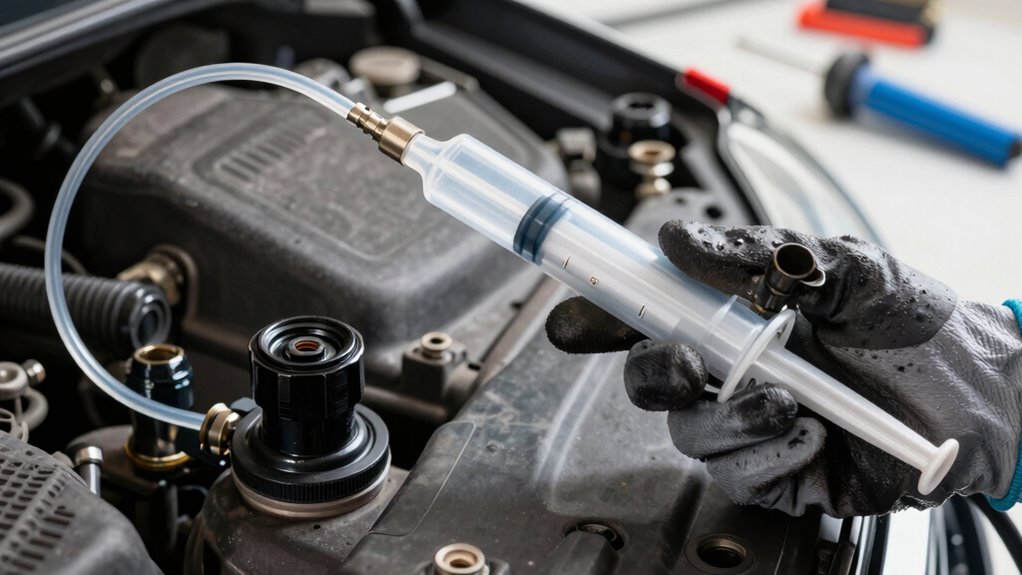
To speed up your DIY oil change and keep things tidy, start by gathering all your tools and supplies beforehand. Use proper techniques to avoid spills and messes, and clean up quickly once you’re done. Additionally, practicing impact investing principles can help ensure your efforts contribute positively to sustainable practices. Being aware of environmentally friendly options can also make your maintenance routine more eco-conscious and efficient. Incorporating safe tool handling practices can further reduce accidents and improve your overall experience.
Prepare Tools and Supplies
Preparing your tools and supplies before starting the oil change can save you time and keep the process clean. Gather everything you’ll need so you won’t have to stop midway. Make sure you have an oil filter removal tool to easily take off the filter without damage. Keep a drain pan ready to catch the oil and avoid spills. Have fresh oil and an oil pan gasket on hand for a proper seal during reassembly. You’ll also want rags or paper towels for quick cleanup and gloves to protect your hands. Having these supplies organized prevents delays and messes. Additionally, consider digital safety measures such as wearing gloves and working in a well-ventilated area to protect yourself. If you’re interested in enhancing the aesthetic of your workspace, exploring wall art trends like digital frames or interactive murals can create an inspiring environment. With everything prepared, you’ll complete your oil change faster and cleaner, whether you’re using a vacuum extractor or draining through the plug.
Use Proper Techniques
Using proper techniques can substantially speed up your oil change and keep the process clean. First, always loosen the oil filter carefully to prevent spills. Wrap a rag around it before turning to catch any drips and avoid messes. When draining oil, make sure the drain plug is fully removed and positioned securely to prevent leaks. During oil disposal, use a proper container to collect used oil, and never pour it down the drain—recycle it at a designated facility. Handle the oil filter with gloves and dispose of it properly to avoid environmental harm. Keeping your workspace organized and clean as you go will minimize spills and make cleanup easier. Additionally, using specialized oil change tools designed for oil changes can further streamline the process. Proper disposal methods are essential for environmental safety and compliance. Following these techniques ensures a faster, cleaner oil change and responsible disposal.
Clean Up Quickly
After following proper techniques during your oil change, quick cleanup helps guarantee the job stays efficient and mess-free. To streamline your process, have supplies ready to handle oil disposal and filter replacement promptly. Use rags or shop towels to wipe up spills immediately, preventing stains and stubborn grime. Keep a container nearby for catching drips during oil disposal, and dispose of used oil and filters according to local regulations. Replace the filter carefully to avoid leaks that can cause messes later. Wipe down the drain plug area and any tools used. Organizing your workspace beforehand minimizes cleanup time and prevents accidental spills. Additionally, understanding the horsepower of electric dirt bikes can help you gauge the power you might use when testing or moving your vehicle after maintenance. A swift cleanup not only keeps your garage tidy but also ensures safety and a professional finish to your DIY oil change.
Choosing the Right Oil Change Method for Your Car
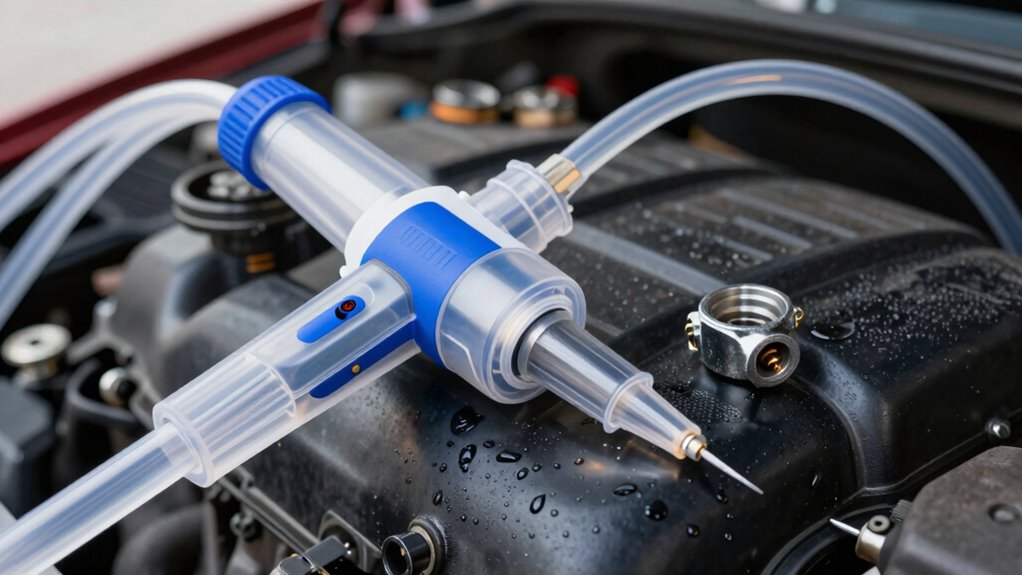
Choosing the right oil change method depends on your vehicle’s design, your budget, and how much effort you’re willing to put in. If your car has a straightforward drain plug, a simple drain method might suffice, especially if you prefer speed and minimal hassle. However, if your vehicle has a complex oil filter or requires specific oil viscosity, using a vacuum extractor can help you access the oil more cleanly and efficiently. Consider whether you need to change the oil filter during each oil change, as some methods make this process easier. Ultimately, select the method that matches your comfort level and vehicle requirements, ensuring you maintain the correct oil type and filter for ideal engine performance.
Frequently Asked Questions
Can I Switch Between Vacuum Extractor and Drain Plug Methods Easily?
You can switch between vacuum extractor and drain plug methods easily, but it’s not always a walk in the park. Oil change flexibility depends on your vehicle’s design and method compatibility. Make sure your car supports both options safely before switching. Some vehicles are more suited for one method, so check your owner’s manual or consult a mechanic to avoid any surprises. With proper precautions, you can switch methods smoothly.
What Safety Precautions Should I Take During Each Oil Change Method?
When performing an oil change, wear protective gear like gloves and safety glasses to safeguard your skin and eyes. Guarantee spill prevention by placing a catch basin and working on a stable surface. Carefully handle tools to avoid leaks or spills, especially when removing the drain plug or using a vacuum extractor. Always follow manufacturer instructions and clean up immediately to keep the workspace safe and tidy.
Are There Specific Vehicles That Favor One Method Over the Other?
Some vehicles, based on manufacturer preferences and vehicle compatibility, favor one oil change method over the other. For instance, older models often have drain plugs designed for traditional draining, while newer vehicles with sealed or specialized filters might be better suited for vacuum extractors. Always check your vehicle’s manual to determine the recommended method, ensuring you follow manufacturer preferences for peak performance and avoiding potential damage.
How Often Should I Perform Oil Changes Using Each Method?
You should perform oil changes every 3,000 to 5,000 miles or as recommended in your vehicle’s maintenance schedule, whether using a vacuum extractor or drain plug. For frequent driving, more regular oil changes are ideal. The method doesn’t substantially affect frequency, but make sure you follow your manufacturer’s guidelines for peak engine health. Regular oil changes help prevent wear and keep your vehicle running smoothly.
Do Professional Mechanics Recommend One Method for Longevity?
Most professional mechanics favor the drain plug method for longevity, as it’s proven to provide a thorough, complete oil change—statistically reducing contaminants by up to 20%. The mechanic consensus supports this for maintaining engine health over time. While vacuum extractors are convenient, mechanics recommend the drain plug for consistent, long-term longevity, especially if you want to maximize engine lifespan and keep your vehicle running smoothly.
Conclusion
Whether you prefer pulling the plug or vacuuming the oil, mastering the method that matches your skills saves time and reduces stress. Simplify your service with straightforward solutions, avoid messy mishaps, and make maintenance more manageable. Remember, choosing the right technique transforms tedious tasks into tidy, quick quality checks. So, pick your process, practice patience, and power through your pump-up, problem-free oil change—making maintenance manageable and mindless.