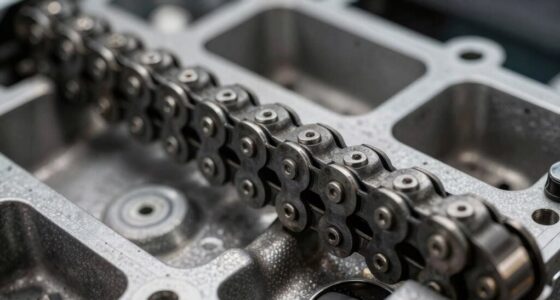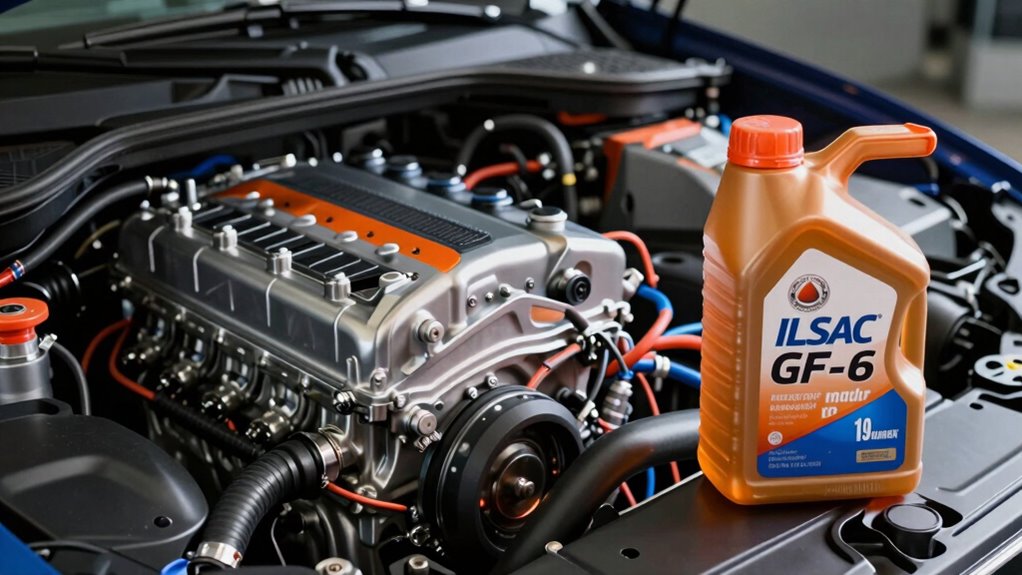

ILSAC GF-6 is a modern engine oil standard designed to protect your gas-powered vehicle better and improve fuel efficiency. It offers advanced additives, better wear protection, and top performance at high and low temperatures. GF-6 guarantees your engine runs smoothly, lasts longer, and meets current industry innovations. If you want to understand how this standard benefits your car and why it’s important, there’s more to explore ahead.

Get business pricing on garage and car supplies
- Business-only prices and quantity discounts
- Tax-exempt purchasing
- Multiple users, one account, clear invoices
Key Takeaways
- GF-6 is a modern engine oil standard developed by ILSAC to improve fuel economy, emissions, and engine durability in newer gasoline engines.
- It incorporates advanced additive technologies for better wear protection, engine cleanliness, oxidation resistance, and low-temperature performance.
- GF-6 oils are designed to handle high temperatures, tighter engine tolerances, and support modern engine features like turbochargers and direct injection.
- Using GF-6 ensures compatibility with recent vehicle models, especially those built after 2012, and helps maintain optimal engine performance.
- The standard promotes sustainability by reducing emissions, lowering oil consumption, and supporting eco-friendly automotive advancements.
As an affiliate, we earn on qualifying purchases.
What Is GF-6 Oil and Why Was It Developed?
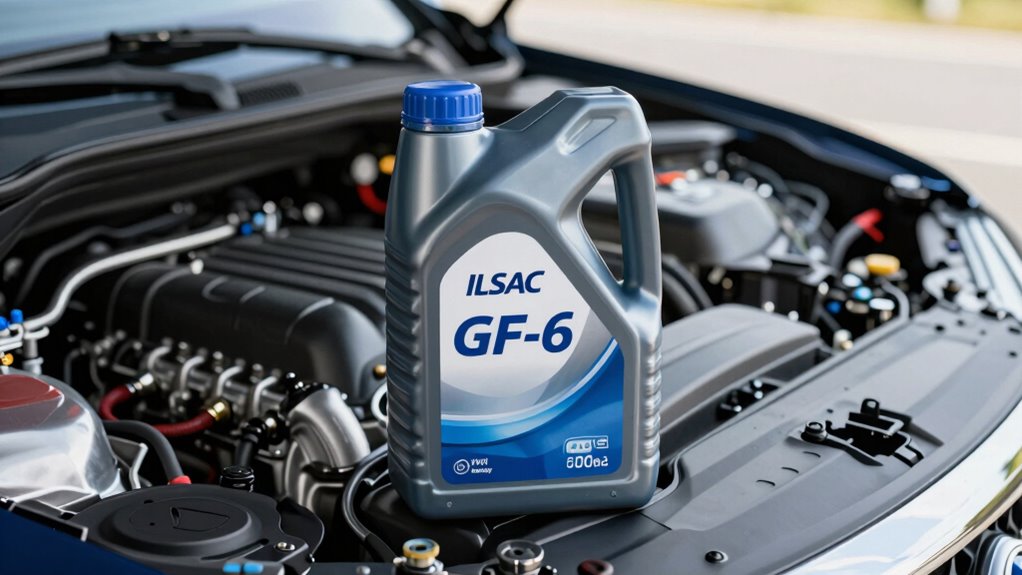
What exactly is GF-6 oil, and why was it created? GF-6 is a modern engine oil standard developed by ILSAC to meet the demands of newer gasoline engines. As vehicle technology advances, engines become more efficient but also more sensitive to oil quality. GF-6 was created to improve fuel economy, reduce emissions, and enhance engine durability. It emphasizes better wear protection, cleaner engine operation, and improved low-temperature performance. This standard guarantees oils can handle the higher temperatures and tighter tolerances of modern engines. Manufacturers needed a new benchmark to address these evolving needs, and GF-6 provides a clear, reliable guideline. In short, GF-6 oil was designed to keep your engine running smoothly in today’s demanding driving conditions. Understanding engine standards helps consumers make informed decisions about the oils they choose. Additionally, it aligns with industry innovations aimed at supporting eco-friendly and high-performance vehicles. By adhering to GF-6, oils are better equipped to meet the performance requirements of modern engines, ensuring optimal operation and longevity. Incorporating advanced additive technologies further enhances the protective qualities of GF-6 oils, making them suitable for the latest engine designs. This standard also reflects ongoing efforts to promote sustainability within the automotive industry, ensuring oils contribute to reduced environmental impact.
As an affiliate, we earn on qualifying purchases.
How Does GF-6 Improve Over Older Oil Standards?

Compared to older oil standards, GF-6 offers significant improvements in fuel efficiency, engine protection, and emissions control. These enhancements help your engine run smoother and cleaner, meeting modern demands. GF-6 oils reduce friction more effectively, leading to better fuel economy. They also provide superior wear protection, ensuring your engine lasts longer under demanding conditions. Additionally, GF-6 formulations help lower harmful emissions by improving combustion and reducing deposits. You’ll notice that GF-6 oils maintain better viscosity over time, even in extreme temperatures. This means your engine stays protected and performs ideally. Incorporating concepts like Free Floating in the formulation allows the oil to adapt better to varying engine conditions, further enhancing performance and longevity. Moreover, the advancements in synthetic technology used in GF-6 formulations contribute to these overall improvements. The engine cleanliness provided by GF-6 oils helps prevent sludge buildup, keeping your engine running efficiently. These oils also feature better oxidation resistance, which helps prolong oil life and reduces the need for frequent oil changes, adding convenience for users.
As an affiliate, we earn on qualifying purchases.
Why Is GF-6 Important for Your Modern Engine?
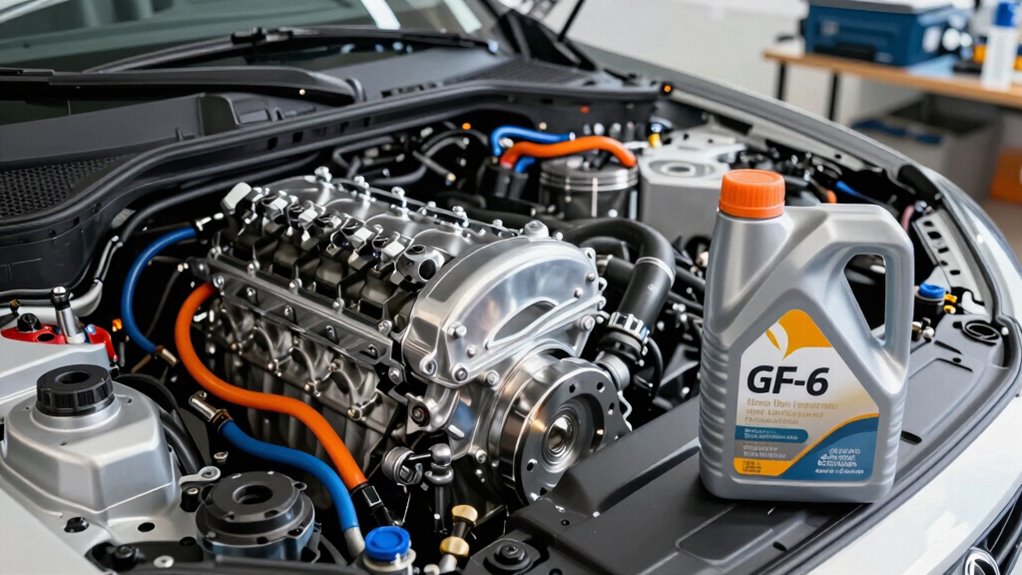
GF-6 is essential because it offers better protection for your engine, helping it run smoothly and last longer. It also improves fuel efficiency, saving you money at the pump. Plus, it’s designed to work perfectly with modern engines, ensuring ideal performance. Incorporating smart locks and office gear can further enhance the security and efficiency of your vehicle and workspace.
Enhanced Engine Protection
Modern engines demand advanced protection to guarantee longevity and peak performance, especially as they become more complex and operate under higher pressures. GF-6 oils are formulated to provide superior wear protection, helping parts last longer and run smoothly. They reduce engine deposits that can hinder efficiency and cause damage over time. Additionally, GF-6 oils maintain their protective qualities even in extreme conditions, safeguarding your engine during rapid accelerations or high-temperature driving. This engine chemistry plays a crucial role in developing oils that can meet these demanding standards. Incorporating synthetic oil technologies ensures that GF-6 oils perform effectively across a range of operating environments, further enhancing engine durability. Furthermore, ongoing AI-driven research accelerates the development of innovative formulations to meet the evolving needs of modern engines, including advanced additive packages that improve overall oil performance and longevity.
Fuel Efficiency Gains
Have you ever wondered how your engine can save fuel without sacrificing performance? GF-6 oils are designed to improve fuel efficiency by reducing internal friction within the engine. They contain advanced additives that help the engine run smoother and more efficiently, which means you get more miles per gallon. These oils also support better cold-start performance, ensuring your engine warms up quickly and operates efficiently from the start. Additionally, GF-6 formulations help maintain ideal viscosity over time, preventing fuel wastage caused by thicker or thinner oil layers. Proper spec’ing for your engine ensures optimal performance and longevity. Implementing these standards also involves technological advancements that enhance overall engine durability. Modern engine design often incorporates improved materials that work synergistically with GF-6 oils for enhanced efficiency. Staying current with industry standards helps ensure your engine benefits from the latest innovations in oil technology, maximizing fuel savings and engine health. Moreover, using GF-6 oils can contribute to emission reductions, supporting environmental sustainability. Overall, using GF-6 oil can lower your fuel costs while keeping your engine running at peak performance. It’s a smart choice for modern vehicles aiming for better mileage without compromising power or reliability.
Compatibility With Modern Engines
As engines evolve to meet stricter emissions standards and performance demands, guaranteeing your oil formulation is compatible becomes essential. GF-6 oils are designed to support the advanced technologies in modern engines, helping them run smoothly and efficiently. They provide better wear protection, maintain engine cleanliness, and support fuel economy. Using GF-6 approved oils ensures your engine’s components work harmoniously with new features like turbocharging, direct injection, and cylinder deactivation. Without compatibility, you risk increased wear, reduced efficiency, and potential engine damage. GF-6 oils are formulated to meet these challenges, ensuring your engine performs at its best in today’s demanding environments. Compatibility standards are critical for ensuring these oils work effectively with modern engine designs, especially considering the advanced engine components that are now common.
best engine oil for modern gas engines
As an affiliate, we earn on qualifying purchases.
As an affiliate, we earn on qualifying purchases.
How Can You Tell if Your Car Needs GF-6 Oil?
You can usually tell if your car needs GF-6 oil by checking its age and maintenance history. If your vehicle is newer or the manufacturer recommends GF-6, it’s likely time to switch. Always verify your owner’s manual for specific oil requirements to guarantee peak engine performance. Being aware of engine oil standards helps ensure your vehicle runs efficiently and remains protected under modern driving conditions. Additionally, understanding the regional variations in oil formulations can be beneficial for optimal engine care. Monitoring your vehicle’s performance indicators can also provide clues that it may require an oil change or update to the recommended standard.
Vehicle Age Indicators
Determining if your vehicle needs GF-6 oil often depends on its age and maintenance history. Generally, newer cars built after 2012 are more likely to benefit from GF-6 due to advanced engine designs and tighter tolerances. Older vehicles might not require this specific oil unless you’ve experienced engine issues or increased oil consumption. Consuming high-quality oil can also contribute to optimal engine performance and longevity. To assess if your car needs GF-6 oil, consider these indicators:
- Recent engine repairs or oil-related problems
- The vehicle’s manufacturing year
- Manufacturer recommendations for synthetic or high-performance oils
If your car is relatively new, especially post-2012, switching to GF-6 can improve performance and fuel efficiency. Always check your owner’s manual to confirm the recommended oil specifications for your vehicle.
Manufacturer Recommendations
Checking your vehicle’s manufacturer recommendations is the most reliable way to determine if you need GF-6 oil. Your owner’s manual or service guide will specify the appropriate oil standards and viscosity grades. Look for mentions of ILSAC GF-6 or API SN/SM ratings, which indicate compatibility with modern engines. If your car is relatively new, it likely requires GF-6 oil to meet the latest fuel efficiency and emission standards. Older models may not need it, but always verify. Some manufacturers specify synthetic or high-mileage oils that conform to GF-6 standards. Ignoring these recommendations could lead to reduced engine performance or potential damage. When in doubt, consult your dealership or a trusted mechanic to confirm the correct oil type for your vehicle. Additionally, understanding engine oil standards can help you make informed choices about your vehicle’s maintenance.
How to Choose the Right GF-6 Oil for Your Vehicle
Choosing the right GF-6 oil for your vehicle starts with understanding your car’s specific requirements. Check your owner’s manual for the recommended viscosity and API/SN or SN Plus ratings. This guarantees compatibility with your engine’s design and performance needs. Look for oils labeled with the ILSAC GF-6 certification to guarantee it meets the latest standards. Consider your driving habits—if you do a lot of stop-and-go or short trips, a synthetic blend might offer better protection. Also, pay attention to temperature conditions; lighter oils are ideal for cold weather, while thicker oils suit hot climates.
- Verify viscosity and API ratings in your manual
- Ensure GF-6 certification for compliance
- Match oil type to your driving conditions
Common Myths About GF-6 Oil Debunked
Many common myths about GF-6 oil persist, leading some vehicle owners to doubt its effectiveness or suitability. One myth is that GF-6 oil isn’t compatible with older engines, but it’s designed to meet modern engine demands while still working with earlier models. Another misconception is that GF-6 oils are considerably more expensive, but prices vary, and the benefits often justify the cost. Some believe GF-6 reduces oil life, yet it actually offers improved durability and better engine protection, especially in stop-and-go driving. There’s also a myth that GF-6 oils are unnecessary if your car runs fine on older oils. In reality, using GF-6 helps ensure your engine runs efficiently, meets current standards, and minimizes wear. Debunking these myths shows GF-6’s role in supporting modern engine performance.
What Are the Key Benefits of Using GF-6 Oil in Your Car?
Using GF-6 oil provides several key benefits that help keep your engine running smoothly and efficiently. First, it offers improved fuel economy by reducing friction and enhancing engine performance. Second, GF-6 oils provide better wear protection, extending your engine’s lifespan and maintaining ideal function. Lastly, they excel in high-temperature stability, preventing breakdowns and sludge buildup, especially in modern engines with tighter tolerances. You’ll also benefit from enhanced low-temperature performance, making cold starts easier and reducing engine wear during startup. Overall, GF-6 oils deliver a balanced mix of efficiency, protection, and durability, ensuring your engine remains reliable and runs at its best. Investing in this standard means better performance and longer-lasting engine health.
Frequently Asked Questions
Can Older Engines Benefit From Switching to GF-6 Oil?
Yes, older engines can benefit from switching to GF-6 oil, but you should consider their specific needs. GF-6 oils are formulated to improve fuel efficiency, reduce emissions, and protect modern engine components. However, if your engine is older and has high mileage or wear, you might want to consult your owner’s manual or a mechanic to guarantee compatibility. Using the right oil helps maintain ideal performance and prevents potential issues.
How Often Should GF-6 Oil Be Changed Compared to Previous Standards?
You should change GF-6 oil roughly every 5,000 to 7,500 miles, similar to or slightly longer than previous standards like SN or SM oils. Modern engines and advanced formulations allow for extended oil change intervals, but always check your vehicle’s owner manual for specific recommendations. Regular oil changes guarantee peak engine performance, especially since GF-6 oils are designed to meet the demands of today’s more efficient and environmentally friendly engines.
Is GF-6 Oil Compatible With All Vehicle Makes and Models?
Yes, GF-6 oil is compatible with most vehicle makes and models, especially those manufactured after 2010. However, you should always check your vehicle’s owner manual to verify compatibility. Some older engines designed for earlier oil standards might not benefit fully from GF-6’s advanced formulations. If in doubt, consult your mechanic or the oil manufacturer to confirm that GF-6 oil suits your specific vehicle.
Does Using GF-6 Oil Improve Fuel Efficiency Significantly?
Using GF-6 oil can improve your fuel efficiency, but don’t expect miracles like a magic carpet ride. It’s designed to reduce friction and enhance engine performance, which helps your vehicle run smoother. While it won’t turn your car into a spaceship, switching to GF-6 oil can lead to better mileage over time, especially if your engine is modern and well-maintained. Think of it as a smart upgrade for your engine’s health.
Are There Specific Additives Required in GF-6 Oils for Optimal Performance?
Yes, GF-6 oils contain specific additives to guarantee ideal performance. These include detergents to keep your engine clean, dispersants to prevent sludge buildup, and seal conditioners to maintain gasket integrity. Plus, they feature enhanced anti-wear agents and friction modifiers for smoother operation and better fuel efficiency. Using oil with the right additives helps your engine run efficiently, last longer, and perform reliably under modern driving conditions.
Conclusion
Choosing the right oil like GF-6 might seem small, but it can make a big difference in your engine’s performance and longevity. When you realize how this standard was designed for modern gas engines—just like yours—you’ll see it’s no coincidence. Upgrading to GF-6 isn’t just a choice; it’s a smart move to keep your car running smoothly and efficiently. Sometimes, the right decision is right under your nose.
Fall Picks
fall essentials
As an affiliate, we earn on qualifying purchases.