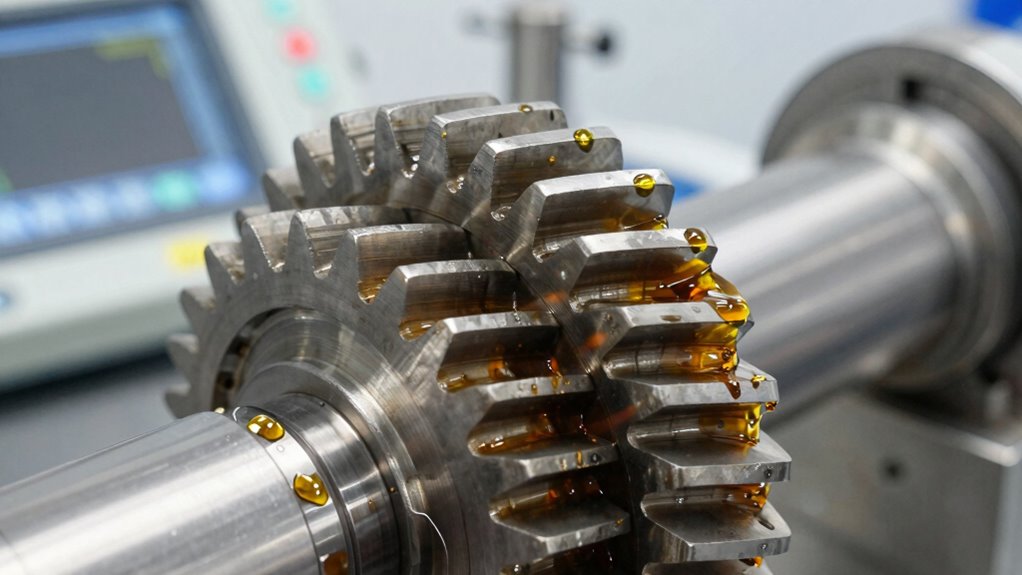

SAE J306 uses a different standard for gear oil viscosity because gear systems face higher pressures, shock loads, and temperature variations than engines. These conditions require precise viscosity grades to guarantee proper lubrication, wear protection, and reliable operation. Unlike engine oils, gear oils need to maintain a consistent film thickness under diverse stresses. If you’re curious about how these standards help select the right gear oil for your needs, you’ll find some useful details below.
Key Takeaways
- Gear oils face higher pressures and shock loads requiring specific viscosity standards for reliable lubrication.
- SAE J306 addresses the unique operating conditions of gear systems, differing from automotive engine oil standards.
- Gearbox environments demand consistent film thickness under variable temperatures, necessitating dedicated viscosity classifications.
- Standardization through SAE J306 ensures compatibility, safety, and performance across diverse gear applications.
- Different standards help optimize gear oil selection for temperature extremes, load conditions, and equipment specifications.
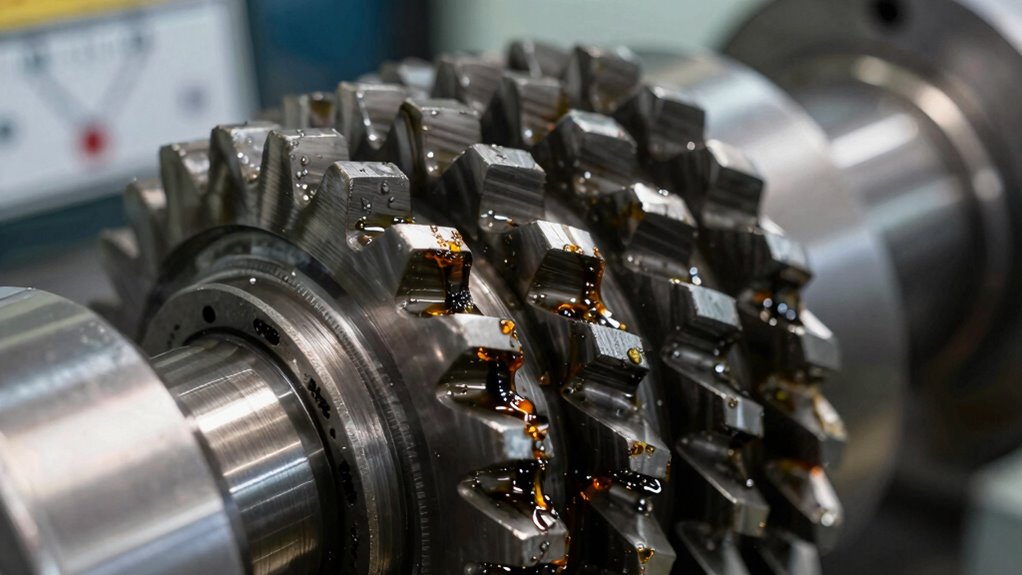
Understanding gear oil viscosity is essential for guaranteeing ideal performance and longevity of gear systems. When selecting the right gear oil, you need to pay close attention to its viscosity characteristics, which dictate how well the oil can lubricate under various operating conditions. Unlike automotive engine oils, gear oils are governed by specific standards designed to account for the unique stresses and environments they face. This is where the SAE J306 standards come into play, providing a precise framework that defines gear oil viscosity grades to help you choose the most suitable lubricant for your application.
Gear oil viscosity standards like SAE J306 ensure optimal performance and protection for gear systems.
The reason gear oil viscosity uses a different standard than engine oils is primarily due to the different operating conditions and performance requirements. Gear systems often operate under high pressure, shock loads, and varying temperatures, which demand a lubricant that can maintain a consistent film thickness and protect against wear. The SAE J306 standards are tailored to these needs, offering a clear classification system that simplifies the selection process. They categorize gear oils into grades like SAE 75W, 80W, 90, 140, and so on, which specify the viscosity at both low and high temperatures. This dual rating helps you determine how the oil performs during cold starts and under high-temperature, high-stress conditions.
Another key reason for using SAE J306 standards is to guarantee compatibility and performance consistency across various gear systems. Since gearboxes, differentials, and other mechanical components operate under different thermal and load conditions, having a standardized viscosity classification allows you to compare and select oils confidently. It also ensures that manufacturers’ products adhere to specific quality benchmarks, reducing the risk of using an inappropriate lubricant. This standardization helps prevent issues like inadequate lubrication, increased wear, or overheating, which could lead to costly repairs or system failure.
Understanding gear oil viscosity in the context of SAE J306 standards also means recognizing the importance of matching the oil grade to your gear system’s specifications. For example, a gear operating in a cold climate might require a lower viscosity grade like SAE 75W, ensuring easier cold starts. Conversely, heavy-duty industrial gears might need a higher viscosity grade such as SAE 140 for maximum protection. By following these standards, you can make informed decisions that enhance the reliability and performance of your gear systems over time. Additionally, familiarity with gear oil classifications helps ensure that you select the most appropriate lubricant for your specific operational needs.

Valvoline FlexFill Advanced Full Synthetic 75W-90 Gear Oil 1 Quart Pouch
- Packaging: Squeezable pouch for easy filling
- Performance: Contains limited slip for clutch performance
- Protection: Offers 30% better towing protection
As an affiliate, we earn on qualifying purchases.
As an affiliate, we earn on qualifying purchases.
Frequently Asked Questions
How Often Should Gear Oil Viscosity Be Checked or Changed?
You should check your gear oil viscosity during regular lubrication intervals or at least every 6 months. Viscosity testing helps guarantee the oil maintains proper thickness to protect gears from wear. If you notice metal shavings or unusual noises, change the gear oil sooner. Regularly inspecting and replacing gear oil based on these intervals keeps your equipment running smoothly and prevents costly damage.
Are There Environmental Factors Affecting Gear Oil Viscosity Standards?
Environmental impact and temperature fluctuation considerably affect gear oil viscosity standards. You should know that extreme temperatures can cause oil to thin or thicken, impacting performance. As a result, standards are designed to account for these variations, ensuring reliable lubrication regardless of environmental conditions. This means you need to choose gear oils with viscosity ratings suitable for your operating environment to prevent equipment wear or failure.
Can I Mix Different Gear Oil Viscosities Safely?
You shouldn’t mix different gear oil viscosities without knowing the compatibility concerns. Doing so could cause unexpected wear or damage to your gears. Always check the manufacturer’s mixing precautions first, as incompatible oils might not blend properly, leading to reduced lubrication. If you’re unsure, it’s safest to stick with the recommended viscosity. This way, you protect your equipment and keep everything running smoothly without risking costly repairs.
How Does Viscosity Impact Gear Oil Performance Under Extreme Temperatures?
Viscosity directly impacts gear oil performance under extreme temperatures by influencing temperature stability and shear resistance. When temperatures rise, a high-viscosity oil maintains a thick film, protecting gears from wear, while low-viscosity oils flow easily but may thin out too much, risking inadequate lubrication. Conversely, in cold conditions, low-viscosity oils flow better, but high-viscosity ones can cause sluggish performance. Selecting the right viscosity guarantees maximum protection across temperature ranges.
Are There Industry-Specific Variations in SAE J306 Standards?
You might wonder if industry-specific standards influence SAE J306. In fact, regional regulations and industry requirements create variations, tailoring gear oil viscosity grades to meet specific operating conditions. These standards guarantee ideal performance, safety, and compliance across sectors like automotive, industrial, or aerospace. By adapting to regional regulations and industry needs, SAE J306 maintains relevance and effectiveness, keeping gear systems protected under diverse and demanding environments worldwide.
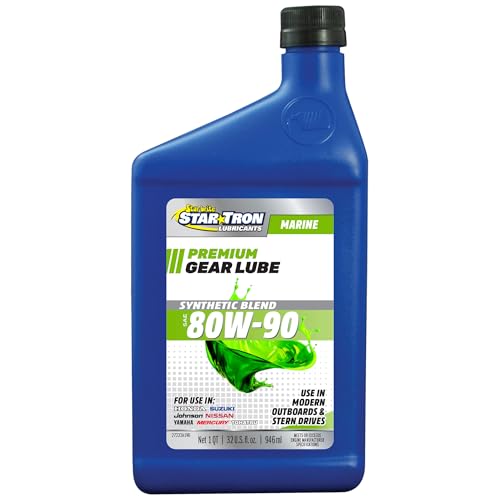
STAR BRITE Synthetic Lower Unit 80W-90 Gear Lube, Marine Grade
- Long-Term Protection: Protects engines over 100 hp from rust and corrosion
- High-Performance Synthetic Blend: Meets API GL-5, MT-1, SAE J2360, Mack GO-J standards
- Extreme Pressure Additives: Provides thermal stability and anti-wear protection
As an affiliate, we earn on qualifying purchases.
As an affiliate, we earn on qualifying purchases.
Conclusion
Understanding SAE J306 is like decoding a secret language for your gear’s health. By knowing why its viscosity standards differ, you guarantee your transmission dances smoothly through every twist and turn. Think of it as tuning an instrument—each viscosity grade plays its part in harmony. When you choose the right gear oil, you’re conducting a symphony of performance and longevity, turning a simple shift into a seamless, rhythmic glide through life’s mechanical melodies.
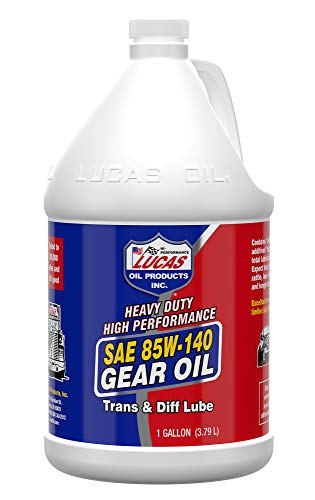
Lucas Oil 10045 Heavy Duty SAE 85W-140 Gear Oil – 1 Gallon
- Contains anti-wear agents: Special anti-wear and lubricity agents
- Temperature control: Helps to control heat
- High-performance suitable: Excellent for high performance and heavy-duty applications
As an affiliate, we earn on qualifying purchases.
As an affiliate, we earn on qualifying purchases.
Valvoline FlexFill Advanced Full Synthetic 75W-90 Gear Oil 1 Quart Pouch
- Packaging: Squeezable pouch for easy filling
- Performance: Contains limited slip for clutch performance
- Protection: Offers 30% better towing protection
As an affiliate, we earn on qualifying purchases.
As an affiliate, we earn on qualifying purchases.