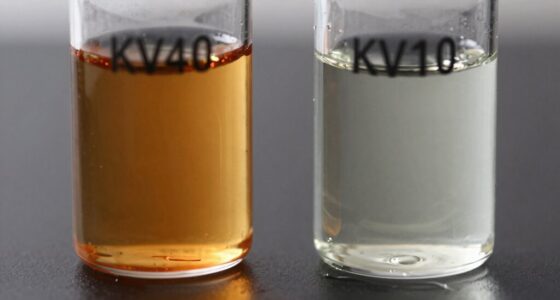

SAE viscosity grades measure how thick or thin your engine oil is at specific temperatures, helping you understand how easily it flows. They do not indicate the oil’s quality or protection levels—just its flow characteristics. Cold weather makes oil thicker, while hot temps thin it out. Choosing the right viscosity guarantees proper lubrication and engine health. To learn more about what these ratings mean for your vehicle, keep exploring the details.
Key Takeaways
- SAE viscosity grades measure oil flow characteristics at specific temperatures, not overall quality or durability.
- Lower numbers like 5W indicate better cold-start flow; higher numbers like 30 mean thicker oil at operating temps.
- Viscosity grades show how easily oil moves, but do not reflect additives, protection level, or oil longevity.
- Proper oil selection depends on manufacturer recommendations and climate, not just SAE grade.
- SAE ratings are about oil thickness, not the quality or effectiveness of the oil’s formulation.
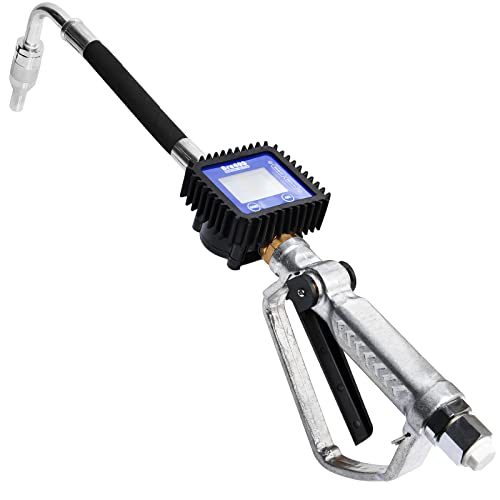
YFIXTOOL Digital Oil Control Valve Meter Nozzle, Pneumatic Oil Gun with 1/2" inch NPT Inlet
【SPECIFICATIONS】Support the max flow rate of 190 LPM(50GPM), the precision of ±0.5%, the max pressure of 70 BAR,...
As an affiliate, we earn on qualifying purchases.
What Do SAE Viscosity Grades Really Measure?
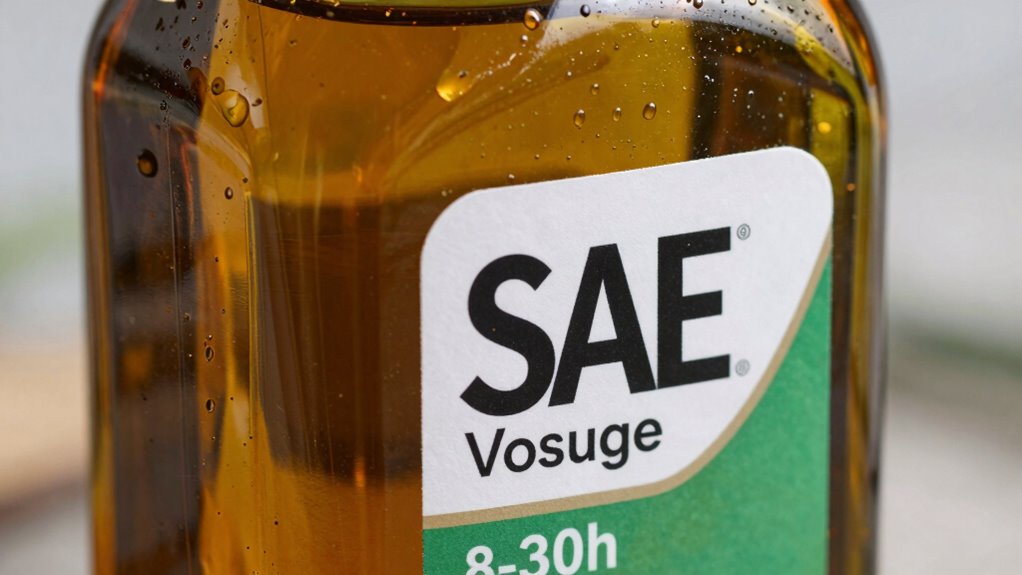
SAE viscosity grades measure how thick or thin an oil is at specific temperatures, which indicates its flow characteristics. This system helps you understand how easily the oil moves through your engine under different conditions. For example, a lower number like 5W means the oil flows well at cold start temperatures, providing better cold-weather performance. Conversely, a higher number like 30 indicates the oil is thicker at operating temperatures, offering better lubrication and film strength during engine use. These grades don’t reflect quality or how long the oil lasts but focus solely on viscosity. Knowing this helps you choose the right oil for your vehicle’s climate and driving habits, ensuring suitable lubrication and engine protection. Understanding viscosity is essential because it directly impacts engine performance and longevity, especially in varying environmental conditions. Recognizing how viscosity interacts with temperature fluctuations can help prevent engine wear and optimize your vehicle’s performance. Additionally, understanding the viscosity index can assist in selecting oils that perform well across a range of temperatures, enhancing engine reliability. Being aware of how viscosity behaves under different operating conditions can further improve your engine’s efficiency and durability.

Heavy Duty Air Operated Oil Transfer Pump Digital Petrol Motor Oil Fluid Dispenser Pump Control Valve Meter Nozzle (US Stock)
[Digital Oil Control Valve] The digital oil pump with rigid tube and manual tip or flexible hose and...
As an affiliate, we earn on qualifying purchases.
Do Viscosity Grades Show Oil Quality?
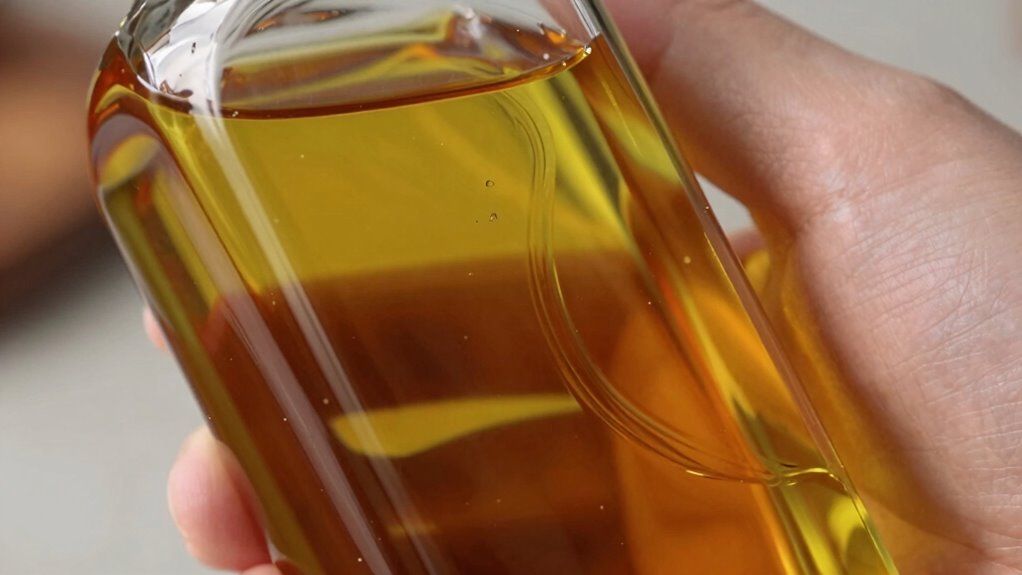
Many people wonder if viscosity grades actually indicate oil quality. The answer is no. Viscosity grades tell you how thick or thin the oil is at a specific temperature, not how well it protects your engine. Higher viscosity doesn’t mean better quality, just different flow characteristics. To clarify, here’s a quick comparison:
| Viscosity Grade | Purpose |
|---|---|
| 5W-30 | Versatile, good cold start |
| 10W-40 | Thicker, suitable for older engines |
| 0W-20 | Thin, fuel-efficient option |
This table shows viscosity ratings, but they don’t measure oil durability, additives, or overall performance. So, don’t rely solely on viscosity grades to judge oil quality. Understanding oil performance factors can provide a more comprehensive view of what makes an engine oil effective. Additionally, additive packages play a crucial role in enhancing oil performance beyond viscosity ratings.

Lincoln 877 Mechanical Fluid Dispense Meter with Odometer Style Totalizer for Petroleum, Synthetic-Based Oil, ATF, Gear Lube and Antifreeze, 16 Quart Dial, 4 GPM, 10" Flex Hose, in-line Swivel
FLUID DISPENSING WITH TOTALIZER FUNCTION: The Lincoln 877 features an odometer-style totalizer that accurately tracks fluid quantities, ideal...
As an affiliate, we earn on qualifying purchases.
How Temperature Affects Oil Viscosity and Engine Performance

Temperature plays a key role in how oil performs in your engine. When it’s cold, oil thickens, making it harder to circulate. This can cause increased engine wear and sluggish starts. Conversely, high temperatures thin the oil, reducing its ability to protect engine parts effectively. If the oil becomes too thin, it may fail to form a proper film, leading to increased friction and potential damage. Additionally, oil viscosity directly impacts engine efficiency and longevity. That’s why selecting the right viscosity grade for your climate is vital. Your engine relies on the oil’s ability to flow readily at low temperatures and maintain film strength at high temperatures. Proper viscosity ensures smooth operation, efficient lubrication, and long-term engine health, regardless of whether it’s freezing or scorching outside. Regularly checking oil consistency helps ensure optimal performance and prevents potential issues caused by improper viscosity. Understanding engine oil performance at different temperatures can help you choose the right oil for your vehicle’s needs. Being aware of how viscosity grades behave in various conditions can also assist in selecting the most suitable oil for your driving environment. Moreover, awareness of engine temperature effects can guide you in making better maintenance decisions to protect your engine over time.

GRYVOZE Digital Oil Control Valve Flow Meter Dispenser Nozzle 10 GPM / 35 LPM, Heavy Duty Air Operated Electronic Oil Metering Gun 1/2 Inch NPT Inlet, Oil Gun - Max Working Pressure 1500 PSI / 100 bar
Specification: This air operated oil control valve digital meter has a Maximum Flow Rate of 10 GPM /...
As an affiliate, we earn on qualifying purchases.
How to Choose the Right Oil Viscosity for Your Car

Choosing the right oil viscosity for your car is essential to guarantee ideal engine performance and longevity. Start by checking your vehicle’s owner’s manual for the manufacturer’s recommended SAE grade, usually listed as a range like 5W-30 or 10W-40. This recommendation accounts for your engine’s design and operating conditions. Consider your climate—if you live in cold areas, a lower first number (like 0W or 5W) helps with cold starts. In hotter climates, a higher second number (such as 40 or 50) provides better protection at high temperatures. Don’t deviate from these guidelines unless your mechanic advises otherwise. Using the correct viscosity guarantees proper lubrication, reduces engine wear, and maintains fuel efficiency. Always choose oils that meet the specifications recommended for your vehicle. Additionally, understanding the SAE viscosity grades can help you make informed choices about your oil options.
Common Myths About SAE Ratings and Engine Protection

Misunderstandings about SAE ratings can lead to misconceptions that compromise engine protection. Many believe that higher viscosity grades automatically mean better engine safety, but that’s not true. Here are common myths busted:
- SAE ratings indicate oil quality — they only measure viscosity, not oil efficiency or protection. Understanding the viscosity measurement helps clarify what the ratings actually signify. Additionally, viscosity ratings do not account for the formulation quality or additive composition of the oil.
- A lower SAE number means less protection — not necessarily; it depends on your engine’s needs. The engine design determines the appropriate viscosity for optimal performance.
- Multi-grade oils are inferior to single-grade oils — they adapt to temperature changes effectively. This adaptability is achieved through the polymer additives used in multi-grade formulations.
- Choosing the highest SAE grade guarantees engine safety — using the recommended grade is key, regardless of the number.
- The viscosity grade reflects the artistry and craftsmanship behind the oil formulation — it simply describes the oil’s thickness at specific temperatures.
Understanding what SAE ratings truly represent helps you select the right oil for best engine protection, avoiding costly mistakes.
Frequently Asked Questions
Can Using the Wrong Viscosity Cause Engine Damage?
Using the wrong viscosity oil can definitely cause engine damage. If you choose oil that’s too thick, it won’t flow properly at low temperatures, making cold starts hard on your engine. Conversely, too thin oil won’t provide enough lubrication, increasing wear and risk of damage under heavy loads or high temperatures. Always follow your vehicle’s manufacturer recommendations to guarantee best performance and protect your engine.
How Often Should Oil Viscosity Be Changed?
Think of your engine’s oil as its lifeblood—changing it regularly keeps everything flowing smoothly. You should typically change your oil every 3,000 to 5,000 miles, or as recommended in your vehicle’s owner’s manual. Regular oil changes prevent sludge buildup and engine wear, acting like a shield that preserves your engine’s health. Don’t wait for warning signs; proactive maintenance keeps your car running like new.
Do Different Climates Require Different SAE Grades?
Yes, different climates need different SAE grades. If you live in a cold region, you should choose a lower viscosity oil like 5W-30 to guarantee easier starts and better flow at low temperatures. In hot climates, a higher viscosity like 10W-40 helps protect your engine by maintaining proper lubrication when temperatures rise. Always select the SAE grade recommended by your vehicle’s manufacturer for ideal performance and engine longevity.
Are Synthetic Oils Rated Differently by SAE Standards?
Synthetic oils are rated the same by SAE standards as conventional oils, so they share viscosity grades like 5W-30 or 10W-40. These ratings measure how thick or thin the oil is at different temperatures, not its quality. You get the same standardized info, whether it’s synthetic or conventional. Think of viscosity grades as a universal language—no matter the oil type, they tell you how it flows in your engine.
How Do SAE Ratings Relate to Oil Lifespan?
SAE ratings don’t directly determine oil lifespan, but they influence how long the oil performs well. Thinner oils with lower viscosity grades flow better at cold temperatures and may degrade faster under high heat, while thicker oils last longer in extreme conditions. You should follow your vehicle manufacturer’s recommendations and consider driving habits. Regular oil changes help maintain engine health, regardless of SAE viscosity grade.
Conclusion
Think of SAE viscosity grades as the wardrobe for your engine—choosing the right outfit for the weather. Just like you’d wear a coat in winter and lighter clothes in summer, selecting the correct oil guarantees your engine stays comfortable and protected. Remember, these grades aren’t a badge of quality but a guide to help you dress your engine for every season, keeping it running smoothly no matter the temperature outside.