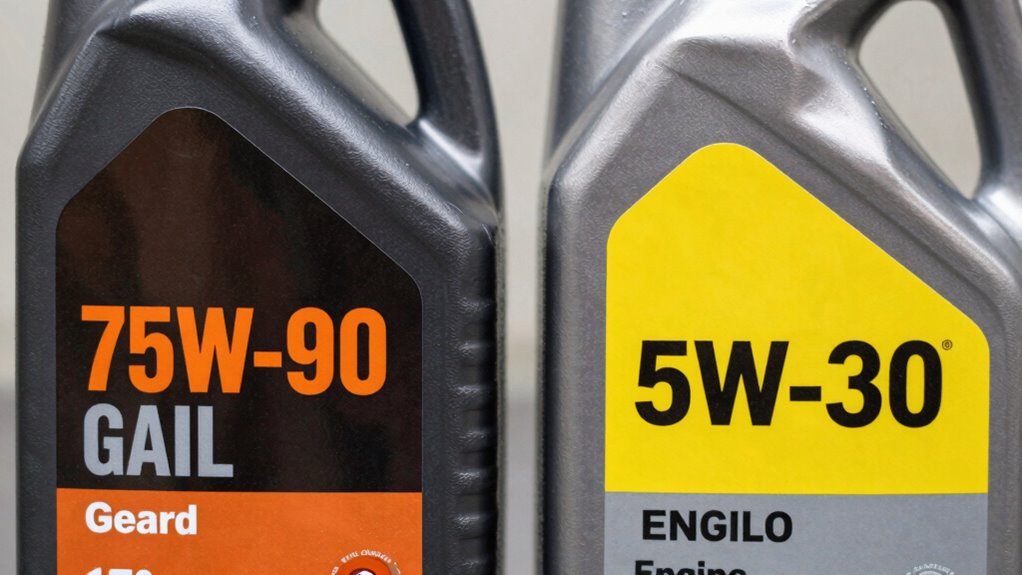

Gear oil and engine oil grades use different numbering systems because they serve distinct functions and undergo separate tests. Gear oils focus on load capacity and shear stability, with ratings like SAE 75W-90, while engine oils emphasize viscosity and fuel efficiency, such as 5W-30. These numbers don’t match because they reflect different performance qualities. Understanding these differences helps you select the right oil — more details await if you keep exploring.
Key Takeaways
- Gear oil and engine oil use separate testing standards, so their grade numbers reflect different performance criteria.
- Viscosity ratings for gear oils (e.g., SAE 75W-90) don’t directly correlate with engine oil grades like 5W-30.
- Industry classifications (API for engine oils, GL for gear oils) focus on different properties, preventing direct grade comparisons.
- Similar viscosity numbers across gear and engine oils do not guarantee interchangeability or similar performance.
- Always consult manufacturer specifications rather than assuming grades are equivalent across oil types.
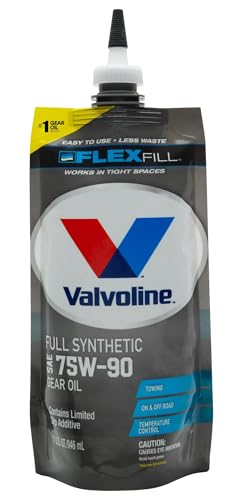
Valvoline FlexFill Advanced Full Synthetic Full Synthetic 75W-90 Gear Oil 1 QT FlexFill
FlexFill squeezable pouch releases 2X more fluid with less effort for 3X faster filling vs. traditional bottle packaging
As an affiliate, we earn on qualifying purchases.
As an affiliate, we earn on qualifying purchases.
What’s the Difference Between Gear Oil and Engine Oil?
While gear oil and engine oil both serve as lubricants, they are formulated differently to meet the specific needs of their respective components. Gear oil is thicker, with higher viscosity, designed to protect gears under high pressure and heavy loads. It forms a durable film that prevents metal-on-metal contact, reducing wear and heat buildup. Engine oil, on the other hand, is less viscous, meant to circulate through engine parts, lubricate moving components, and clean internal surfaces. It also helps cool the engine by carrying heat away. Because of these differences, gear oil resists shear under extreme pressure, while engine oil maintains flow and film strength at high speeds and varying temperatures. Understanding these distinctions helps you choose the right oil for each application.
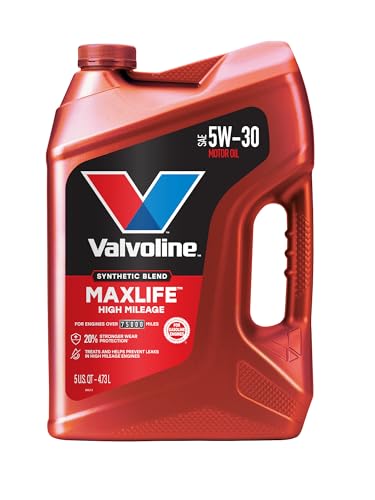
Valvoline MaxLife High Mileage 5W-30 Synthetic Blend Motor Oil 5 Quart
Formulated for engines with 75,000 miles or more, Valvoline MaxLife High Mileage synthetic blend is formulated with seal…
As an affiliate, we earn on qualifying purchases.
As an affiliate, we earn on qualifying purchases.
How Are Gear Oil and Engine Oil Grades Rated?
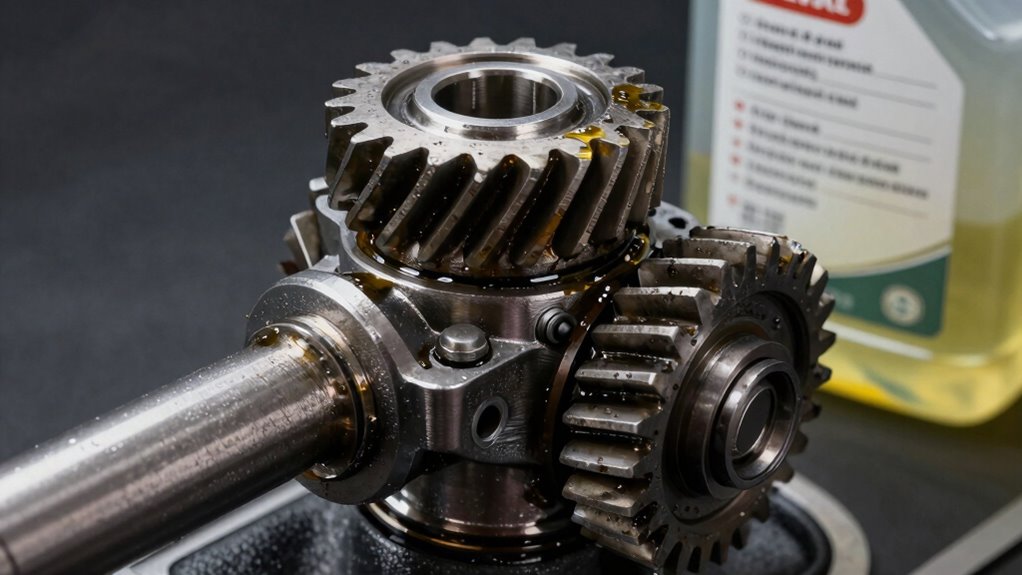
Gear oil and engine oil are rated based on specific standards that indicate their viscosity and performance under different conditions. These standards help you understand how well the oil will perform in extreme temperatures and demanding environments. For gear oils, the SAE J306 and API GL ratings are common, focusing on load-carrying capacity and shear stability. Engine oils use the SAE viscosity grade and API SN or SP classifications, emphasizing fuel efficiency, cleanliness, and wear protection. Additionally, understanding testing accuracy and measurement standards can help you select the right products for your needs. Recognizing industry standards ensures you choose oils that meet safety and performance benchmarks essential for optimal operation. Being aware of these standardized methods can further improve your ability to compare different oil grades effectively, especially when considering the demands of off-road riding and other extreme conditions.
Valvoline FlexFill Advanced Full Synthetic Full Synthetic 75W-90 Gear Oil 1 QT FlexFill
FlexFill squeezable pouch releases 2X more fluid with less effort for 3X faster filling vs. traditional bottle packaging
As an affiliate, we earn on qualifying purchases.
As an affiliate, we earn on qualifying purchases.
Why Don’t Gear and Engine Oil Grades Match?
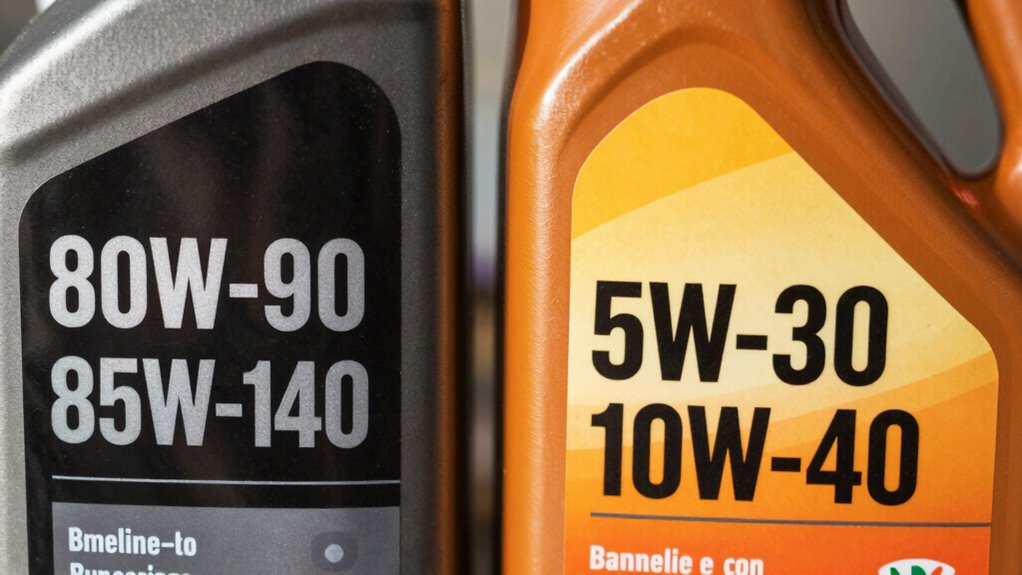
You might wonder why gear and engine oil grades don’t line up, but it’s because they’re tested differently and designed for distinct purposes. Their performance metrics aren’t the same, so the standards used for each don’t match up. Plus, separate industry classifications mean each oil type follows its own grading system. Understanding projector technology helps illustrate how different specifications are tailored to specific applications and performance needs.
Different Testing Standards
Different testing standards are the main reason why gear oil grades and engine oil grades don’t directly correspond. Each type of oil is evaluated using different criteria suited to its specific application. Engine oils are tested for properties like viscosity at various temperatures, wear protection, and oxidation stability, often following standards like API or SAE. Testing protocols differ significantly between these standards, reflecting the distinct demands placed on each oil type. Gear oils, on the other hand, are assessed for load-carrying capacity, shear stability, and extreme pressure performance through standards like GL orAGMA. These testing methods focus on the unique stresses gear and engine components face. Because the criteria differ, a grade in one system doesn’t translate directly to the other. Understanding testing standards helps clarify why the grades don’t align, especially considering the different performance criteria each oil must meet to ensure optimal operation. This mismatch ensures each oil type is optimized for its specific function, making direct comparisons misleading.
Varying Performance Metrics
Since gear and engine oils are designed to withstand distinct types of stresses, their performance metrics naturally differ. Gear oils focus on resisting shear forces and heavy loads, while engine oils prioritize thermal stability and combustion resistance. This leads to key differences in how their performance is measured:
- Viscosity: Gear oils need high viscosity to maintain a lubricating film under extreme pressure, whereas engine oils require a balance for cold starts and high temperatures.
- Shear Stability: Gear oils must resist breakdown under intense shear forces, unlike engine oils, which are more concerned with oxidation and thermal degradation.
- Friction and Wear: Gear oils are formulated to reduce wear between gear teeth, while engine oils aim to protect pistons and valves from metal-on-metal contact.
- Operational Environment: The differing operational stresses further influence how performance metrics are prioritized and measured for each type of oil.
Separate Industry Classifications
Why don’t gear and engine oil grades align across industries? It’s because each industry develops its own classification systems based on specific needs and standards. Engine oils focus on fuel efficiency, combustion byproducts, and engine longevity, using ratings like API and SAE. Gear oils, on the other hand, prioritize load-carrying capacity, shear stability, and thermal resistance, with classifications like API GL and AGMA. These standards evaluate different performance aspects, so their grade numbers aren’t directly comparable. Additionally, manufacturing practices and regulatory requirements vary, further diversifying classifications. As a result, the numbers assigned to gear oils don’t match those for engine oils, even if they seem similar. This separation guarantees each oil type is optimized for its unique functions and operating conditions. Understanding industry-specific standards helps clarify why the grade numbers don’t directly compare.

Engine Oil Tester & Motorcycle Oil Change Kit- Gasoline/Diesel Diagnostic Tool, 31.5in Probe, Temp Test, 2.8in Display (4 Batteries)
【WHY NEED IT】Our engine oil tester features an advanced optical probe that measures light transmittance within the oil…
As an affiliate, we earn on qualifying purchases.
As an affiliate, we earn on qualifying purchases.
How to Choose the Right Oil for Your Vehicle
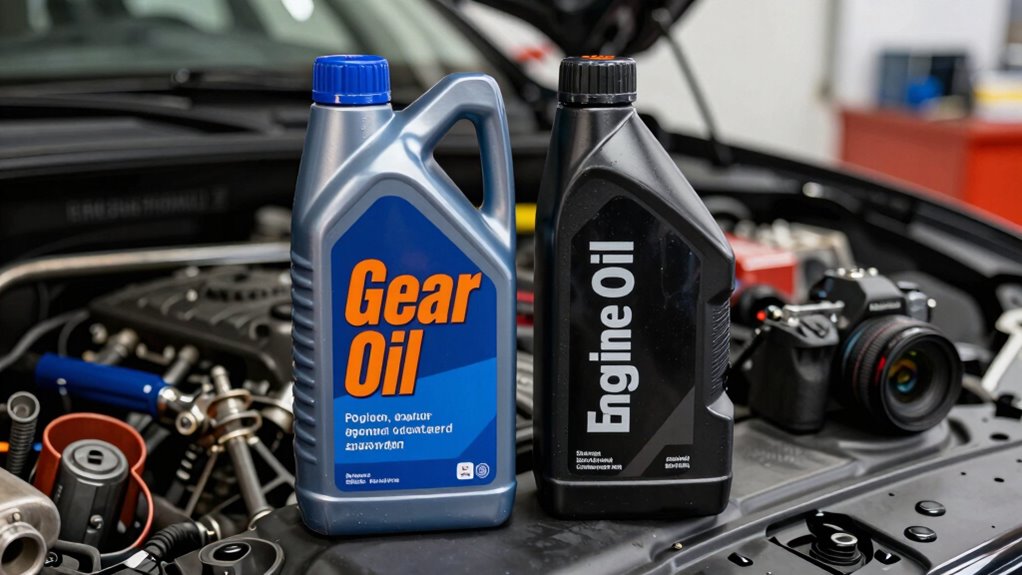
Choosing the right oil for your vehicle is essential to guarantee ideal performance and longevity. Start by checking your owner’s manual for the recommended grade and specifications. Pay attention to the viscosity, such as 5W-30, which ensures proper flow in different temperatures. Consider the oil’s API or SAE ratings to match your engine’s needs. Also, think about your driving habits—more frequent short trips or heavy loads may require a different formulation. To simplify your choice, focus on these key factors:
Choosing the right oil ensures engine performance and longevity tailored to your driving habits.
- Viscosity grade suitable for your climate
- API service classification recommended for your engine
- Synthetic versus conventional oil based on your driving demands
Incorporating sound healing science into your routine can also help reduce stress that may impact your vehicle’s performance. Regular oil changes and engine maintenance are crucial for keeping your engine in optimal condition. Staying informed about oil grade differences can help you make better choices for your vehicle’s specific needs. Understanding the flushing mechanisms of modern toilets can also prevent issues that might impact water efficiency and overall system performance. Sticking to these guidelines helps prevent engine wear and keeps your vehicle running smoothly.
Common Myths About Oil Grades Debunked
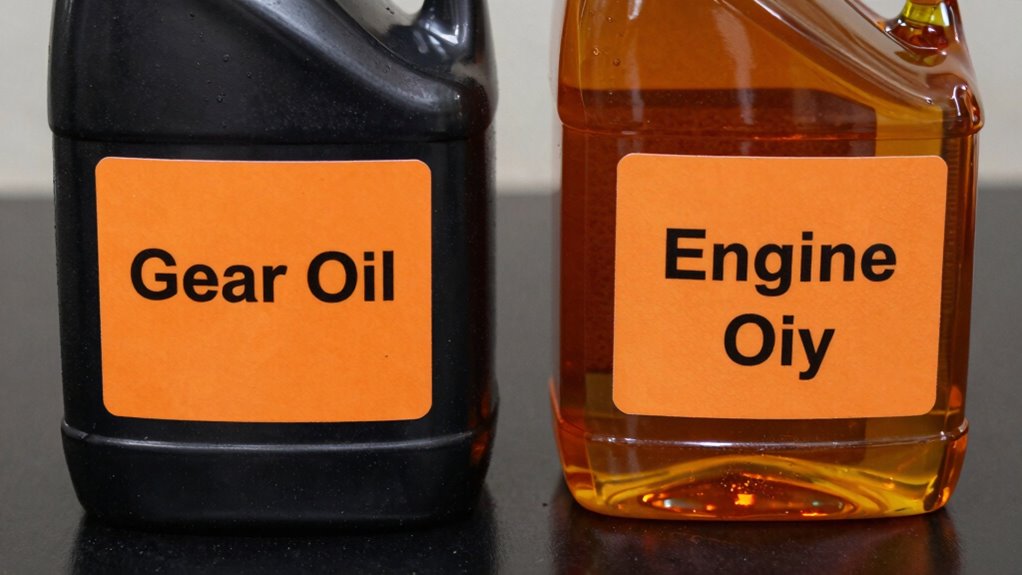
Many people believe that all oil grades are the same or that viscosity doesn’t matter, but that’s not true. Confusion around oil grades and viscosity often leads to using the wrong oil for your vehicle. Additionally, there’s a myth that synthetic oils are always better than conventional, which isn’t always the case. Understanding oil grades and their differences can help you make more informed decisions about vehicle maintenance, especially since different viscosity levels are suited to varying climates and engine types. Recognizing the significance of proper oil viscosity can prevent engine wear and improve performance in diverse conditions. Knowing how oil specifications are determined ensures you select the best options for your vehicle’s needs and longevity. For example, engine operating conditions influence which oil grade will perform best in your specific environment.
Oil Grade Confusion
Oil grade confusion often stems from misconceptions that all oils with the same viscosity rating are interchangeable, but this isn’t true. Just because two oils share a number doesn’t mean they serve the same purpose. For example, a 10W-40 engine oil isn’t suitable as gear oil, despite sharing a similar number. Mistaking gear oil for engine oil can lead to inadequate lubrication and equipment damage.
You should remember:
- Different formulations serve different components
- Viscosity doesn’t indicate additive compatibility
- Not all oils with similar numbers are interchangeable
Understanding these distinctions helps you avoid costly mistakes. Always check the manufacturer’s specifications rather than relying solely on oil grade numbers. Proper oil choice ensures your equipment runs smoothly and lasts longer.
Viscosity Misunderstandings
A common misconception is that viscosity ratings alone determine an oil’s suitability for a specific application, but this isn’t true. Viscosity measures thickness, but other factors like additive compatibility and operating conditions matter too. Relying solely on numbers can lead to using the wrong oil, causing engine or gear damage. For example:
| Viscosity Number | Typical Use | Important Note |
|---|---|---|
| 5W-30 | Passenger car engines | Suitable for cold starts |
| 75W-90 | Gearboxes and differentials | Handles high pressure and loads |
| SAE 40 | Heavy-duty engines | Performs well at high temps |
Choosing the right oil requires understanding both viscosity and application-specific needs, not just the numbers on the label. Additionally, understanding oil additive compatibility is crucial for maintaining optimal performance and preventing potential damage. Proper knowledge of oil specifications helps prevent costly mistakes and ensures your engine or gear operates smoothly under various conditions. To make informed decisions, it’s also important to consider viscosity index and how it influences oil performance across temperature ranges. Moreover, considering synthetic versus conventional oils can significantly impact your engine’s longevity and efficiency.
Synthetic vs Conventional
Synthetic and conventional oils often get compared, but misconceptions about their differences persist. You might think synthetic oils are always better or that they cost way more without real benefits. In reality, synthetic oils offer advantages like better stability, improved engine protection, and longer intervals between oil changes. Additionally, they are compatible with various data storage and backup systems, ensuring your engine’s longevity under different conditions. Some myths still circulate, such as:
- Synthetic oils damage seals or gaskets
- They are only necessary for high-performance vehicles
- Conventional oils are just as good for everyday driving
Understanding these myths helps you make informed choices. Synthetic oils are formulated with more refined base oils and additives, making them more durable under extreme conditions. The chemical composition of synthetic oils allows for better performance and longevity compared to conventional options. Moreover, oil specifications help verify the quality and suitability of the product for your vehicle. But whether synthetic or conventional, choosing the right oil depends on your vehicle’s needs and manufacturer recommendations.
Final Tips for Picking the Best Oil for Your Needs

Choosing the right oil for your vehicle depends on understanding your specific driving conditions and the manufacturer’s recommendations. Check your owner’s manual to see the recommended viscosity and specifications. Consider your climate—if you drive in extreme cold or heat, select an oil formulated for those temperatures. Think about your driving style; frequent short trips or heavy loads may require a higher-grade or synthetic oil for better protection. Don’t forget to note any special additives your engine might need, such as detergents or anti-wear agents. Regularly monitor oil levels and change intervals. If unsure, consult a trusted mechanic who can assess your driving habits and vehicle condition. Picking the correct oil ensures ideal performance, longevity, and helps prevent costly repairs down the line.
Frequently Asked Questions
Can I Use Engine Oil in My Gear System?
You shouldn’t use engine oil in your gear system. Gear oils are specially formulated to handle high pressure, heavy loads, and extreme temperatures found in gearboxes, while engine oils are designed for engine components with different lubrication needs. Using engine oil can lead to inadequate lubrication, increased wear, and potential damage to your gear system. Always choose the recommended gear oil grade for maximum performance and longevity.
Are Synthetic Oils Suitable for Both Gear and Engine Applications?
Yes, synthetic oils are suitable for both gear and engine applications. They offer excellent lubrication, stability across temperature ranges, and longer-lasting performance. You just need to make certain you choose the right type and viscosity specified for your gear or engine. Always check your equipment’s manual and follow the manufacturer’s recommendations to optimize performance and protect your machinery. Synthetic oils can enhance efficiency and extend the lifespan of both systems.
How Often Should I Change Gear Oil Compared to Engine Oil?
Changing gear oil is like giving your vehicle a fresh coat of armor; you should do it every 30,000 to 60,000 miles, depending on your driving habits. Engine oil, on the other hand, needs more frequent attention—about every 5,000 to 7,500 miles. Regularly checking both guarantees smooth operation, prevents costly repairs, and keeps your vehicle running like a well-oiled machine.
Do Temperature Extremes Affect Gear and Engine Oil Choices?
Yes, temperature extremes markedly impact your oil choices. In cold climates, you need a lower viscosity oil that flows easily at low temperatures, ensuring proper lubrication during startup. In hot conditions, a higher viscosity oil resists thinning, protecting your engine or gears from wear. Always select oils rated for your climate to maintain ideal performance and prevent damage. Check your owner’s manual for recommended grades suited to your temperature range.
Are There Universal Oils That Work for Both Gears and Engines?
Yes, some universal oils can work for both gears and engines, but they’re often a compromise. Think of them as a Swiss Army knife—convenient but not specialized. While they might save you money and space, they may not provide ideal protection under extreme conditions. For best performance and longevity, it’s wise to choose oils specifically formulated for either gears or engines, especially if you operate in demanding environments.
Conclusion
Choosing between gear oil and engine oil isn’t just about matching numbers; it’s about understanding their unique roles. While engine oil keeps your engine running smoothly, gear oil handles tough transmissions. Don’t assume similar grades mean interchangeable parts. Instead, prioritize your vehicle’s specific needs. Remember, the right oil protects your investment and keeps you moving. So, stay informed, ask questions, and pick the oil that’s right for your journey—because performance depends on it.