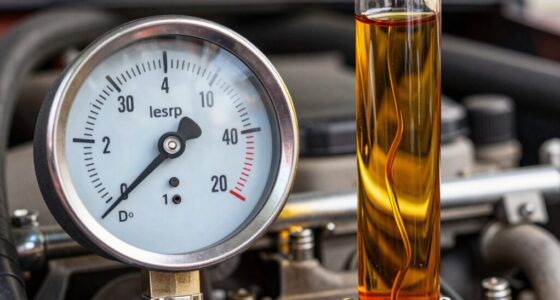

Seasonal oil changes have become less necessary thanks to advances in synthetic oils and modern engines, which are designed to last longer and resist breakdown. If you drive in mild climates, sticking to manufacturer recommendations and using high-quality synthetic oils can extend your oil change intervals without seasonal adjustments. However, in extreme temperatures, seasonal changes can still offer added protection. To discover whether your vehicle and climate benefit from seasonal changes, keep exploring the details below.
Key Takeaways
- Modern synthetic oils extend oil change intervals, reducing the necessity of frequent seasonal oil changes for most vehicles.
- Extreme climates still benefit from seasonal oil changes to optimize engine performance and protect against temperature-related issues.
- Advances in engine technology and oil formulations make annual or mileage-based oil changes sufficient in many cases.
- Regular oil checks and monitoring are more effective than strict seasonal changes for maintaining engine health.
- Seasonal oil changes remain a useful practice in harsh environments but are often outdated for vehicles in moderate climates.
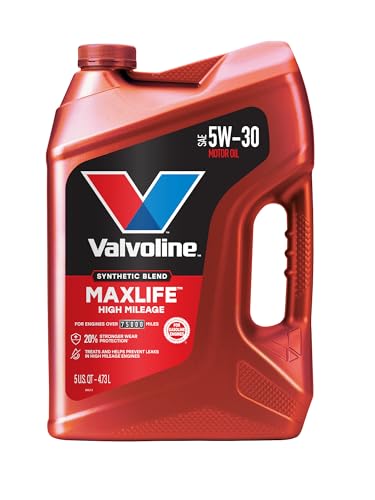
Valvoline MaxLife High Mileage 5W-30 Synthetic Blend Motor Oil 5 Quart
Formulated for engines with 75,000 miles or more, Valvoline MaxLife High Mileage synthetic blend is formulated with seal…
As an affiliate, we earn on qualifying purchases.
As an affiliate, we earn on qualifying purchases.
What Are Seasonal Oil Changes and Why Have They Been Recommended?

Seasonal oil changes involve switching your vehicle’s oil based on the time of year to guarantee ideal engine performance. Different seasons bring varying temperatures, humidity, and driving conditions that can affect your engine’s health. In colder months, thicker oils help protect against cold starts and reduce engine wear. During warmer months, lighter oils improve fuel efficiency and help prevent overheating. Historically, mechanics recommended these changes to maintain proper lubrication and prevent corrosion or sludge buildup caused by temperature fluctuations. By aligning oil type with seasonal conditions, you ensure your engine stays clean, well-lubricated, and runs smoothly. This practice aimed to extend engine life and prevent breakdowns, especially before modern engine technology and synthetic oils became widely available. Understanding oil viscosity is essential for choosing the right oil for each season, and knowing how temperature impacts oil flow can help you make informed decisions. Additionally, advancements in engine technology have influenced current recommendations regarding seasonal oil changes.

Runleader Digital LCD Waterproof Hour Meter for Small Engine,Track Oil Change Intervals, Generator,Lawn Mower,Outboard,ATV,Snow blowers,Marine,Dirt Ski,Motorcycle(HM006A-BU)
DIGITAL HOUR METER —- It is a small and helpful device to keep track the total hours for…
As an affiliate, we earn on qualifying purchases.
As an affiliate, we earn on qualifying purchases.
How Modern Engines and Synthetic Oils Have Reduced the Need for Seasonal Oil Changes
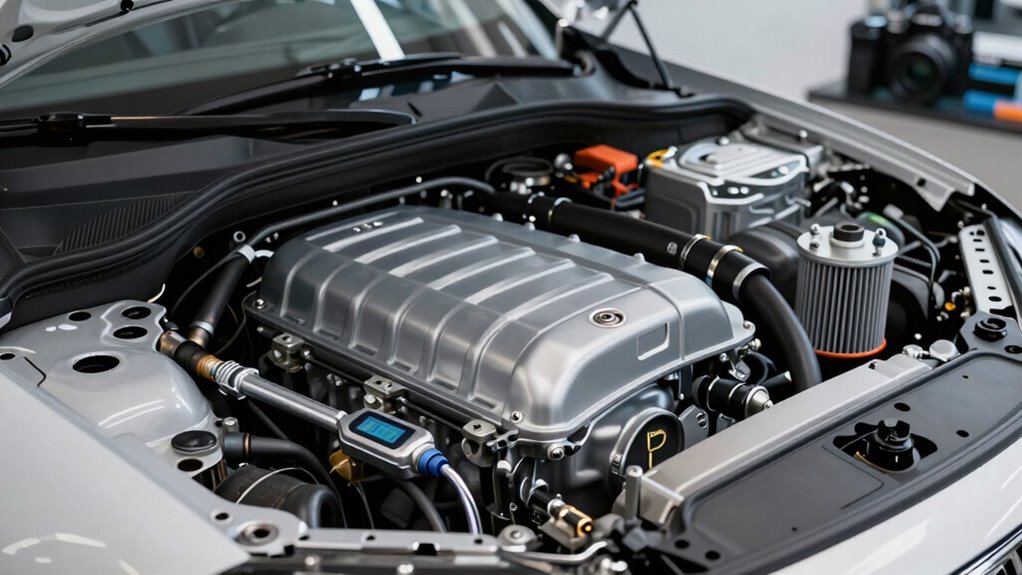
Modern engines and synthetic oils work together to extend oil change intervals, so you don’t need to change your oil as often. These advancements help your engine stay cleaner and run more efficiently over time. As a result, your engine’s durability improves, and you save time and money on maintenance. Regular appliance maintenance plans can also help ensure your vehicle or appliances operate smoothly and efficiently over the long term. Embracing advanced engine technology can further optimize your vehicle’s performance and longevity. Additionally, the use of high-quality oils with enhanced exfoliating properties helps maintain engine cleanliness and prevent buildup. Modern engine components are designed to work optimally with these high-performance oils, further reducing the need for frequent oil changes. Incorporating oil analysis into your maintenance routine can also help monitor oil condition and extend service intervals.
Extended Oil Lifespan
Thanks to advances in engine technology and the development of synthetic oils, your vehicle’s oil now lasts much longer between changes. Modern engines operate more efficiently and produce fewer contaminants, which helps extend oil life. Synthetic oils are engineered to resist breakdown, maintain viscosity, and protect engine parts better than conventional oils. Many manufacturers now recommend oil change intervals of 7,500 to 10,000 miles or even longer, depending on driving conditions. This means you don’t need to change your oil as frequently, reducing maintenance costs and inconvenience. With extended oil lifespan, your vehicle stays protected longer, and you can push the limits of traditional seasonal change schedules. Additionally, oil analysis can help monitor oil health and determine optimal oil change timing. These innovations make it easier to keep your engine healthy without unnecessary or premature oil changes.
Improved Engine Durability
Advances in engine design and synthetic oil technology have markedly boosted engine durability, which in turn reduces the necessity for frequent seasonal oil changes. Modern engines are built with tighter tolerances, better cooling systems, and advanced materials that withstand wear more effectively. Synthetic oils are formulated to resist breakdown, maintain viscosity, and protect engine parts longer. This means your engine stays cleaner and runs smoother for extended periods. You can enjoy these benefits:
- Less frequent oil changes, saving time and money
- Better protection during extreme temperatures
- Reduced engine wear over time
- Improved fuel efficiency
- Longer intervals between maintenance tasks
These innovations let you go longer between oil changes, making seasonal changes less critical for engine health.

Oil Analysis Premier Kit by Under My Hood with return postage included
NOT FOR USE ON AIRCRAFT!
As an affiliate, we earn on qualifying purchases.
As an affiliate, we earn on qualifying purchases.
Are Seasonal Oil Changes Still Worth It? The Pros and Cons
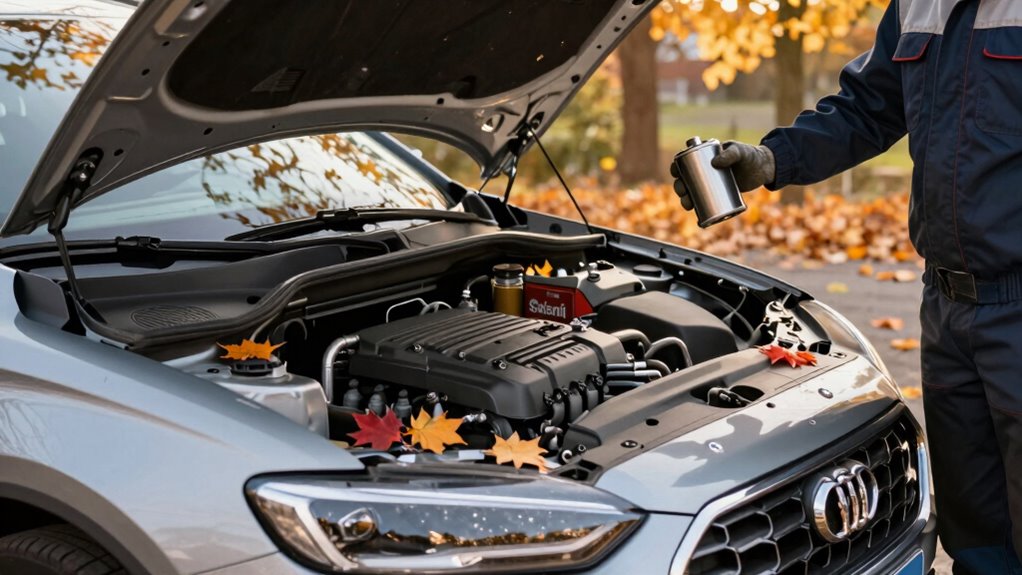
Are seasonal oil changes still worth the effort in today’s automotive landscape? For some drivers, changing oil with the seasons can help address specific climate challenges, like cold starts or hot summers. It can guarantee your engine runs smoothly by removing contaminants that may accumulate faster in extreme temperatures. However, modern oils and advanced engine designs have reduced the need for frequent seasonal changes. Many vehicles now perform well with one oil change per year or every 5,000 to 7,500 miles, regardless of season. While seasonal changes might benefit those in very harsh climates or with older engines, for most drivers, sticking to regular, manufacturer-recommended intervals is more practical and cost-effective. Weigh the climate, driving habits, and vehicle age when deciding if seasonal oil changes are still worth it.
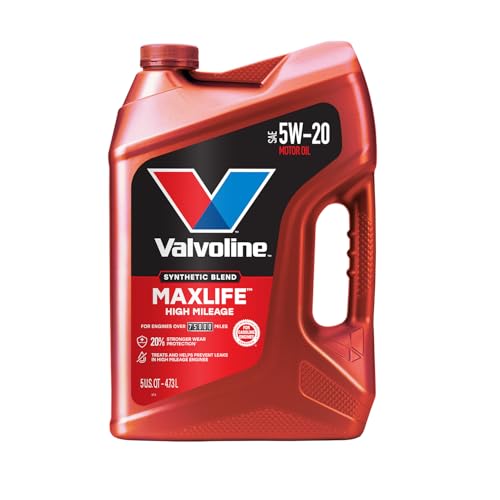
Valvoline High Mileage with MaxLife Technology SAE 5W-20 Synthetic Blend Motor Oil 5 QT
MaxLife Technology prevents engine breakdown with 40% better wear protection than the industry standard
As an affiliate, we earn on qualifying purchases.
As an affiliate, we earn on qualifying purchases.
Do Synthetic Oils Last Longer Than Traditional Oils?

Synthetic oils typically last longer than traditional oils, meaning you won’t need to change them as often. They also tend to perform better in extreme temperatures and reduce engine wear, which can save you money in the long run. Additionally, synthetic oils may contain advanced additives that provide enhanced protection and cleanliness for your engine. These additives can help prevent sludge buildup and deposit formation, contributing to engine longevity. Moreover, synthetic oils often have a more consistent chemical composition, ensuring reliable performance across different driving conditions. However, they usually come with a higher upfront cost, so you’ll want to weigh the durability benefits against your maintenance budget.
Durability and Longevity
Since synthetic oils are designed with more refined base stocks and advanced additives, they generally last longer than traditional oils. This means you can go farther between oil changes, reducing maintenance frequency. Synthetic oils resist breakdown better under extreme conditions like high heat or cold, helping your engine stay protected longer. They also tend to retain their lubricating properties over time, ensuring smoother engine performance. Plus, synthetic oils are less prone to forming sludge and deposits that can clog engine parts. Additionally, synthetic oils offer superior oxidation stability, which helps prevent oil degradation over extended periods. Their enhanced chemical stability means they maintain their protective qualities even under demanding driving conditions. Furthermore, the thermal resilience of synthetic oils contributes to their longer-lasting performance, especially in extreme temperatures. The engine protection provided by synthetic oils can ultimately lead to improved fuel efficiency and reduced emissions. Ultimately, their durability means you get more miles per oil change and better engine longevity.
Cost and Maintenance
While synthetic oils last longer and protect your engine better, they often come with a higher upfront cost compared to traditional oils. This means you’ll pay more initially, but you might save money over time by extending oil change intervals. Synthetic oils typically need replacing every 7,500 to 10,000 miles, whereas conventional oils might require changes every 3,000 to 5,000 miles. Maintenance-wise, synthetic oils tend to stay cleaner longer, reducing engine wear and the need for additional repairs. Additionally, comparative advantage in resource allocation can be seen as a parallel to choosing the most efficient oil for your vehicle, emphasizing the importance of selecting the right product for your specific needs. Furthermore, understanding oil viscosity can help you make more informed decisions about which type of oil is best suited for your engine and driving conditions. Considering regulatory standards is essential, as these influence the formulation and performance of different oils on the market. For those managing multiple vehicles or large fleets, understanding unit conversions can assist in budgeting and procurement processes. However, if you drive infrequently or on short trips, the benefits might not justify the extra expense. Ultimately, your choice depends on your driving habits and budget. Synthetic oils can be cost-effective in the long run, but they demand a higher initial investment. Additionally, support networks for new fathers can provide valuable guidance if you’re balancing family responsibilities during vehicle maintenance routines.
What Are the Risks of Skipping Seasonal Oil Changes?

Skipping seasonal oil changes can considerably harm your vehicle’s engine. Without fresh oil, your engine parts face increased friction, leading to faster wear and potential damage. Over time, dirty or degraded oil can cause sludge buildup, clogging essential components and reducing efficiency. This buildup can also contribute to heat buildup, which can accelerate engine wear. Additionally, neglecting seasonal changes may cause your engine to overheat or seize, especially in extreme weather. You might also experience trouble starting your car or notice unusual noises. Ignoring these signs can shorten your vehicle’s lifespan and lead to unexpected breakdowns. Regular preventive maintenance and sticking to seasonal oil changes help ensure your engine remains clean and efficient. Proactively managing vehicle health by adhering to maintenance schedules can prevent costly repairs down the line. To avoid these risks, stick to seasonal oil changes. Regular maintenance keeps your engine clean, smooth-running, and reliable, saving you money and stress in the long run.
How Can You Tell If Your Car Needs Seasonal Oil Changes?
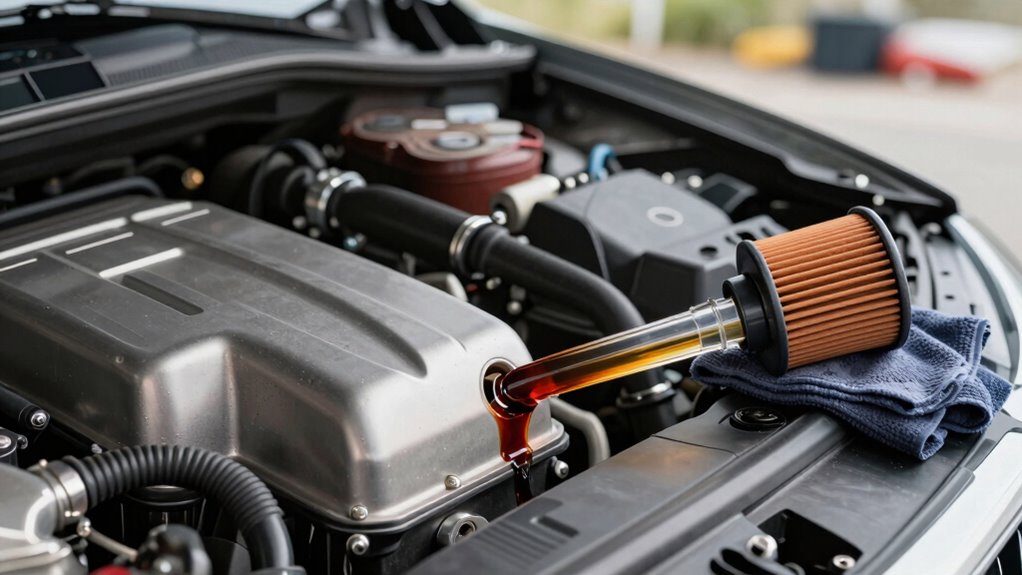
Your vehicle’s engine gives clear signals when it’s time for a seasonal oil change. If you notice your engine is louder than usual or making knocking sounds, it could indicate the oil isn’t lubricating properly. Check your oil level using the dipstick—if it’s low or the oil appears dark and gritty, it’s time for a change. Unpleasant oil smells or a burning odor while driving also suggest the oil needs replacing. Additionally, if your dashboard warning light for oil pressure comes on, don’t ignore it. Pay attention to your car’s performance; if it stalls, hesitates, or stalls frequently, old or degraded oil might be the culprit. Regularly inspecting oil quality and levels helps you catch these signs early, ensuring your engine stays healthy year-round. Monitoring oil quality regularly is essential for maintaining optimal engine performance and preventing costly repairs. Recognizing seasonal maintenance cues can also help extend your vehicle’s lifespan and improve safety on the road. Being aware of these signals and understanding engine health indicators can help you make informed decisions about when to schedule an oil change.
What Do Car Manufacturers Say About Year-Round Oil Use?

Car manufacturers’ recommendations on year-round oil use can differ based on your vehicle and climate. You should consider how your local weather affects oil performance and longevity. Luckily, modern oil formulas are designed to handle diverse conditions, but it’s best to follow your owner’s manual for specific guidance.
Manufacturer Recommendations Vary
Have you ever wondered what car manufacturers recommend regarding year-round oil use? The truth is, recommendations vary widely. Some brands, especially those with advanced engines, suggest changing oil seasonally to prevent wear and tear. Others, like many modern automakers, endorse using high-quality synthetic oil suitable for year-round use, regardless of climate. It’s essential to check your vehicle’s manual for specific guidance. Keep in mind:
- Some manufacturers prioritize regular oil changes for ideal engine health
- Others trust synthetic oils to handle temperature fluctuations
- Recommendations may differ based on engine type and age
- Certain brands suggest more frequent oil checks in extreme climates
- Always follow the manufacturer’s advice to avoid voiding warranty
Ultimately, it’s about balancing manufacturer guidance with your local climate and driving habits.
Climate Considerations Matter
Climate plays a crucial role in determining whether year-round oil use is suitable for your vehicle. If you live in a mild climate with little temperature fluctuation, most car manufacturers often support using the same oil throughout the year. However, in extreme cold or hot environments, manufacturers typically recommend seasonal oil changes. Cold climates may require oils with better cold-start properties to ensure proper engine lubrication. Conversely, hot climates demand oils that withstand high temperatures without breaking down. Always check your vehicle’s owner’s manual, as manufacturers specify oil types tailored for different weather conditions. Ignoring these recommendations can lead to engine wear or reduced efficiency. Ultimately, understanding your climate helps you decide whether sticking to seasonal changes is necessary or if year-round oil use is feasible.
Modern Oil Formulations
Modern oil formulations have markedly improved, allowing many vehicles to safely use the same oil year-round. Car manufacturers now design engines that tolerate stable oil conditions across various temperatures, reducing the need for seasonal changes. Modern synthetic oils offer better viscosity, thermal stability, and wear protection, making them suitable for diverse climates. They also resist breakdown and sludge buildup more effectively.
Here’s what manufacturers say about year-round oil use:
- Many recommend synthetic oils for consistent protection.
- Seasonal changes are unnecessary if using high-quality synthetic.
- Some vehicles have specific oil requirements, so check your manual.
- Modern oils maintain performance even in extreme temperatures.
- Regular oil changes are still essential for engine health, regardless of season.
Practical Tips for Maintaining Oil Quality Without Changing Seasons

Maintaining ideal oil quality doesn’t require waiting for seasonal changes; instead, you can take proactive steps year-round. Regularly check your oil level and condition using your vehicle’s dipstick, ensuring it’s within the recommended range. Use a high-quality oil filter to trap contaminants and prevent sludge buildup. Keep an eye on your vehicle’s oil life indicator if available, and follow your manufacturer’s suggested intervals for oil changes based on driving habits. Avoid short trips and stop-and-go driving when possible, as these can degrade oil faster. Store your vehicle in a garage or shaded area to minimize temperature fluctuations that can affect oil viscosity. Staying attentive to these habits helps preserve oil quality, ensuring your engine runs smoothly regardless of the season.
When Is It Necessary to Change Your Oil Seasonally?

Knowing when to change your oil seasonally depends on your driving conditions and the type of oil you use. Generally, if you face extreme temperatures, heavy traffic, or frequent short trips, seasonal changes become more important. Cold winters can thicken oil, reducing lubrication, while hot summers increase oil breakdown. Consider switching if:
- You live in areas with severe winter or summer temperatures
- You do a lot of stop-and-go driving
- Your vehicle travels short distances regularly
- It’s been over 3,000 to 5,000 miles since your last oil change
- You notice engine performance issues or increased noise
Pay attention to your manufacturer’s recommendations and your driving environment to decide if a seasonal change is necessary. This way, you keep your engine running smoothly without unnecessary oil changes.
Is Seasonal Oil Changing Outdated, or Is It Still Necessary?
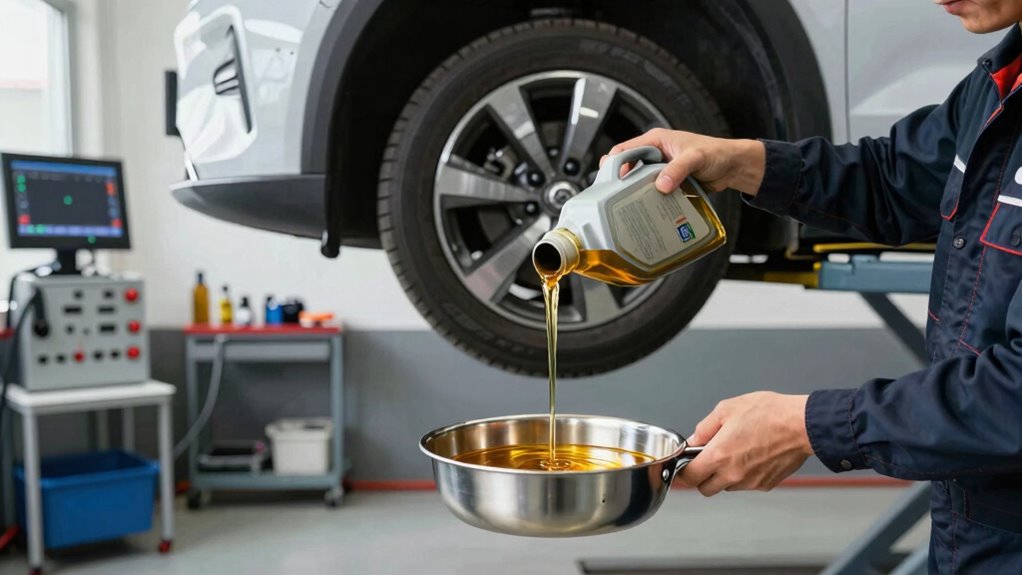
As vehicle technology advances and synthetic oils become more popular, many drivers wonder if changing oil seasonally is still necessary. Modern synthetic oils last longer and perform better across temperature extremes, reducing the need for frequent changes. However, seasonal oil changes can still benefit those driving in harsh climates or with older vehicles. If you drive through extreme cold or heat, changing your oil before seasons shift can protect your engine and maintain efficiency. Additionally, regular oil changes help remove contaminants and prevent buildup. While the necessity of seasonal changes has decreased for some, it’s not entirely outdated. Assess your driving conditions, vehicle age, and oil type to determine if sticking to seasonal oil changes makes sense for you.
Frequently Asked Questions
How Do Climate Variations Affect Oil Change Recommendations?
Climate variations considerably impact your oil change needs. In colder weather, you should change your oil more frequently because thickened oil doesn’t flow well, reducing engine efficiency. Conversely, in hot climates, frequent changes help prevent oil from breaking down quickly due to high temperatures. You need to adjust your oil change schedule based on your local climate, ensuring your engine stays well-lubricated and protected under varying environmental conditions.
Can Switching Oils Seasonally Harm Engine Performance?
Switching oils seasonally generally won’t harm your engine if you choose the right type for each climate. Using the correct viscosity, like thinner oil in winter and thicker in summer, helps your engine run smoothly. However, if you switch improperly or use a generic oil not suited for your engine, it could cause issues. Always follow your vehicle manufacturer’s recommendations to guarantee the best performance and avoid potential damage.
What Are the Environmental Impacts of Seasonal Oil Changes?
You might not realize it, but changing your oil seasonally can impact the environment. Used oils often contain contaminants that, if not disposed of properly, can pollute soil and water. Frequent changes increase oil waste, raising disposal concerns. However, using eco-friendly oils and recycling used oil responsibly can minimize harm. So, while seasonal changes can have environmental risks, proper practices help reduce their ecological footprint.
Do Luxury or High-Performance Vehicles Require Different Oil Schedules?
Yes, luxury and high-performance vehicles often require different oil schedules. You should follow the manufacturer’s recommendations, which typically suggest more frequent oil changes due to the higher operating temperatures and demanding performance standards. Using specialized synthetic oils can help maintain ideal engine performance and longevity. Regularly checking your vehicle’s manual or consulting a professional ensures you’re adhering to the best maintenance routine for your high-end car.
How Do Driving Habits Influence the Need for Seasonal Oil Changes?
Your driving habits can turn seasonal oil changes into your vehicle’s best friend or worst enemy. If you frequently drive short distances or in stop-and-go traffic, your oil gets dirty faster, making seasonal changes essential. Long, consistent drives help keep oil clean longer, so you might stretch the interval. Think of it as giving your car a tailored health plan—paying attention to your habits keeps it running smoothly.
Conclusion
So, is seasonal oil changing still a smart move or just an old habit? It’s a question that could change how you care for your car forever. With modern oils and engines, the answer isn’t clear-cut. But one thing’s certain—you can’t ignore your engine’s needs. The key is staying informed, paying attention, and knowing when to act. The future of your vehicle’s health might just depend on the choices you make today…