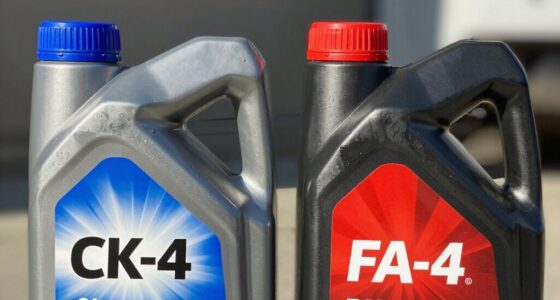
If you’re confused about gasoline versus diesel oils, think of them as tailored for different engine types. Gasoline oils usually focus on cleaner burning and lower viscosity, suited for lighter, everyday vehicles. Diesel oils are formulated for higher compression and heavy-duty use, often containing additives for better wear and corrosion protection. A clear diagram comparing their properties can help you understand their specific roles and choices. Keep exploring to discover which oil best fits your engine needs.
Key Takeaways
- The diagram should compare oil types used in gasoline and diesel engines, highlighting differences in viscosity, additives, and formulation.
- Include visual distinctions, such as color coding or icons, to clarify which oils suit each engine type.
- Illustrate key factors like oil viscosity ratings (e.g., 5W-30 for gasoline, 5W-40 for diesel) and their applications.
- Show how additives differ to address engine-specific needs, such as deposit control for gasoline engines and wear protection for diesels.
- Emphasize compatibility and recommended oil categories from automotive standards (e.g., API SN for gasoline, CI-4 for diesel).

When choosing between gasoline and diesel engines, understanding their key differences can help you make an informed decision. One of the most significant distinctions lies in engine efficiency and emissions standards. Gasoline engines generally have higher engine efficiency at lower speeds, making them well-suited for everyday driving and lighter loads. They tend to produce less particulate matter and nitrogen oxides (NOx), which helps meet stricter emissions standards in many regions. However, they often emit more carbon monoxide and unburned hydrocarbons. Diesel engines, on the other hand, are typically more efficient in terms of fuel consumption, especially on longer trips or heavy-duty tasks, thanks to their higher compression ratios. This efficiency means you get more miles per gallon, which can translate into cost savings over time. Still, diesel engines historically faced challenges in meeting emissions standards because they produce more NOx and particulate matter.
Gasoline engines excel in city driving, producing fewer pollutants, while diesel engines offer better fuel economy for long trips.
In recent years, advancements in engine technology and emissions control systems have narrowed this gap. Modern diesel engines now incorporate particulate filters and selective catalytic reduction (SCR) systems to reduce harmful emissions, helping them comply with emissions standards that are becoming increasingly strict worldwide. Meanwhile, gasoline engines have benefited from improvements like direct fuel injection and turbocharging, boosting their efficiency and power output without sacrificing emissions compliance. These technological improvements make choosing between gasoline and diesel a matter of weighing your specific needs.
If your primary concern is engine efficiency and emissions standards, consider how you’ll use your vehicle. For city driving and short trips, gasoline engines might be preferable because they warm up faster and generally produce fewer localized pollutants. Conversely, if you often drive long distances or carry heavy loads, diesel engines could be more advantageous due to their superior fuel economy and torque. Keep in mind, though, that diesel engines may involve higher upfront costs and maintenance expenses, partly because of the complexity of their emission control systems. Additionally, understanding the emissions standards applicable in your region can influence your choice, as some areas have stricter regulations for diesel emissions.
Ultimately, understanding these core differences—particularly how engine efficiency and emissions standards influence each engine type—can help you select a vehicle that aligns with your environmental values, budget, and driving habits. The choice isn’t just about fuel, but also about how technology has evolved to address emissions concerns while maximizing efficiency. This awareness makes it easier to interpret the often confusing diagrams and marketing materials that compare gasoline and diesel, ensuring you make a well-informed decision tailored to your needs.
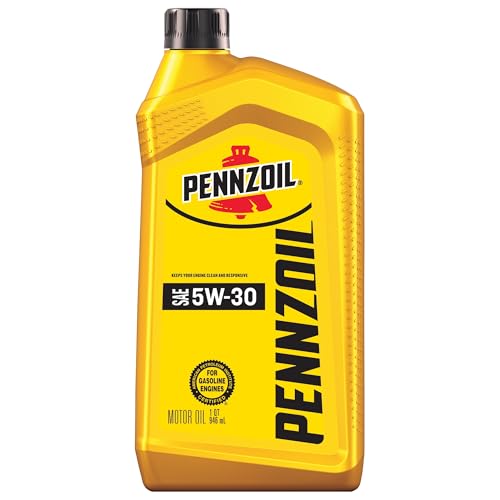
Pennzoil 5W-30 Motor Oil, 1 Quart
- Engine Cleaning and Responsiveness: Keeps engines clean and responsive
- Wear Protection: Provides proven wear protection
- Contaminant Prevention: Helps prevent dirt and deposits
As an affiliate, we earn on qualifying purchases.
As an affiliate, we earn on qualifying purchases.
Frequently Asked Questions
How Do I Identify the Correct Oil Type for My Vehicle?
You identify the correct oil type for your vehicle by checking your owner’s manual for recommended oil viscosity and additive types. Look for labels like 5W-30 or 10W-40, which indicate viscosity suited for your engine. Also, consider whether your engine needs specific additives for better performance or protection. Always choose oil that matches the manufacturer’s specifications to guarantee ideal engine performance and longevity.
Are There Any Environmental Impacts Differences Between Gasoline and Diesel Oils?
Coincidentally, your choice between gasoline and diesel oils impacts emission footprints and pollution levels. Diesel oils typically produce higher nitrogen oxides and particulate emissions, contributing to air pollution. Gasoline oils generally result in cleaner exhaust, reducing pollution. However, diesel engines often have better fuel efficiency, which can offset some environmental impacts. Ultimately, your oil choice influences your vehicle’s environmental footprint, making it essential to contemplate these differences for eco-conscious driving.
Can I Switch Between Gasoline and Diesel Oils Safely?
You shouldn’t switch between gasoline and diesel oils safely because they have different formulations. Synthetic oils often offer better performance and stability, but you must choose the right type for your engine. Conventional oils work well for older engines, while additive formulations enhance protection and efficiency. Always follow your vehicle’s manufacturer recommendations to avoid potential damage, and consult a mechanic if you’re unsure about switching types.
How Often Should I Change Each Type of Oil?
Think of your engine as a garden needing regular tending. For gasoline engines, follow your vehicle’s maintenance schedule, typically every 5,000 to 7,500 miles. Diesel engines often require oil changes every 10,000 to 15,000 miles, depending on usage. Always check your owner’s manual for specific oil change intervals, and stick to your maintenance schedule to keep your engine running smoothly and efficiently.
What Are the Cost Differences for Gasoline Vs Diesel Oils?
Gasoline oils are generally cheaper than diesel oils because of pricing nuances and production costs. Diesel oils tend to be more expensive due to higher additive requirements and stricter standards, which can increase your maintenance costs over time. If you’re switching between the two, expect to spend more on diesel oil and potentially higher maintenance costs, especially if your vehicle requires specific oil types for ideal performance.

Mobil 1 Turbo Diesel Truck Full Synthetic Motor Oil 5W-40, 1 Gal
- Engine Compatibility: Designed for modern diesel engines
- Long Drain Capability: Provides extended oil change intervals
- Performance Standards: Meets or exceeds major manufacturer specs
As an affiliate, we earn on qualifying purchases.
As an affiliate, we earn on qualifying purchases.
Conclusion
By now, you can see how gasoline and diesel oils serve different needs, with diesel engine efficiency offering up to 20% better fuel economy. Imagine fueling your car with diesel and traveling over 600 miles on just one tank—it’s like covering the distance from your city to a neighboring state without refueling. Understanding these differences helps you make smarter choices, ensuring your vehicle runs smoothly and efficiently for years to come.

STP Premium Synthetic Blend 4 Cycle Small Engine Oil, SAE 10w30 Motor Oil for Lawnmowers, Generators, Tractors, Snow Blowers, and More, 32 fl oz
- Engine Compatibility: Suitable for small engines like lawnmowers and generators
- Temperature Resistance: Fights thermal breakdown for high-temperature durability
- Engine Cleanliness: Prevents buildup and controls carbon deposits
As an affiliate, we earn on qualifying purchases.
As an affiliate, we earn on qualifying purchases.
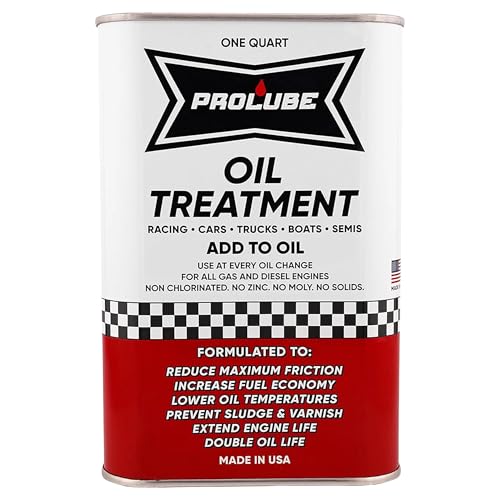
Prolube Oil Treatment – Engine Oil Additive for Gas & Diesel Engines – Reduces Wear, Noise, Vibration – Boosts Fuel Economy & Horsepower – Works on Transmissions & Differentials (1QT)
- Enhances Engine Performance: Increases horsepower and reduces noise
- Reduces Vibrations: Smooths engine vibrations for quieter operation
- Improves Fuel Efficiency: Decreases fuel consumption and friction
As an affiliate, we earn on qualifying purchases.
As an affiliate, we earn on qualifying purchases.