
Oil wears out mainly due to aging and contamination. As oil ages, additives deplete, and oxidation creates sludge and acids, reducing its protective ability. Contamination introduces dirt, water, or metal particles that cause wear, rust, and filter blockages. Both factors compromise oil performance and can lead to equipment failure. Understanding these causes helps you prevent issues before they harm your machinery—if you want to learn how to extend oil life, keep going.

Get business pricing on garage and car supplies
- Business-only prices and quantity discounts
- Tax-exempt purchasing
- Multiple users, one account, clear invoices
Key Takeaways
- Oil aging results from chemical breakdown due to oxidation and additive depletion, impairing viscosity and lubricity.
- Contamination introduces external particles like dirt, water, and debris, causing abrasive wear and filter clogging.
- Both processes reduce oil effectiveness, increasing equipment wear, sludge formation, and risk of failure.
- Regular testing and filtration help monitor and mitigate aging and contamination effects.
- Addressing both causes through oil changes and contamination control extends oil and equipment lifespan.
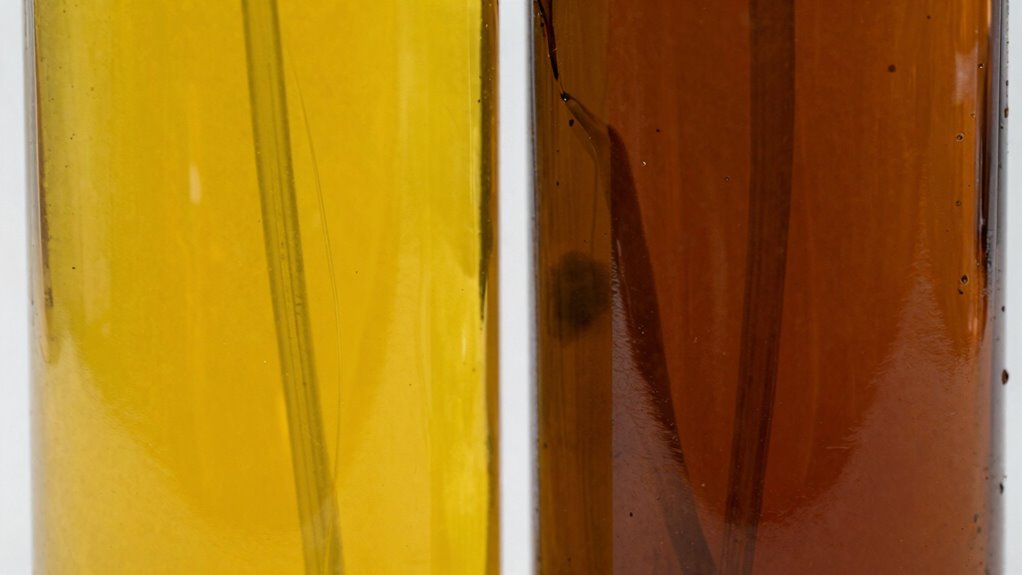
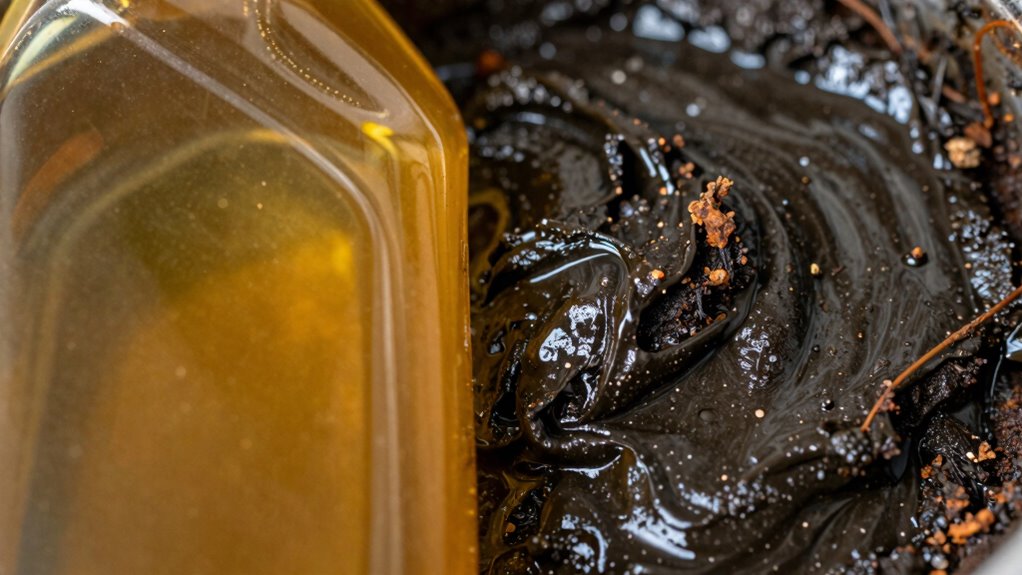
Understanding the difference between oil aging and contamination is essential for maintaining equipment performance. When your machinery operates, the oil inside is constantly subjected to various changes. Over time, it starts to break down due to natural processes like additive depletion and oxidation effects. Additive depletion occurs as the chemicals in the oil designed to protect and lubricate become exhausted. These additives, such as anti-wear agents, antioxidants, and corrosion inhibitors, gradually diminish, reducing the oil’s ability to perform its protective functions. As a result, the oil becomes less effective at preventing wear and damage to the equipment’s moving parts. Meanwhile, oxidation effects happen when the oil reacts with oxygen at elevated temperatures, forming sludge, varnish, and acids that compromise its viscosity and lubricity. This chemical change accelerates the oil’s deterioration, leading to increased wear and potential equipment failure if not addressed. Additionally, oil stability is crucial in understanding how well the oil resists these chemical changes over time. On the other hand, contamination introduces external substances into the oil, which can crucially degrade its quality and performance. Common contaminants include dirt, dust, water, metal particles, and other debris that find their way into the oil through leaks, poor filtration, or environmental exposure. These foreign materials can cause abrasive wear, clog filters, and accelerate corrosion. Unlike aging, contamination is often abrupt or episodic, making it easier to identify through regular monitoring. For example, water contamination can cause emulsification, reducing lubrication efficiency and promoting rust formation. Dirt and debris, being abrasive, can scratch and wear down surfaces, leading to increased friction and energy consumption. Metal particles, originating from the machinery itself, serve as indicators of internal wear and can further accelerate damage if not removed. While both oil aging and contamination negatively impact equipment, they require different approaches for management. Monitoring oil condition through tests like viscosity analysis, oxidation testing, and contamination checks helps you catch problems early. Regular oil changes, proper filtration, and maintaining clean operating environments are crucial strategies to prevent contamination. To combat aging caused by additive depletion and oxidation effects, you might need to add oil additives or replace the oil entirely. Recognizing the signs of each issue allows you to implement targeted solutions, prolonging equipment life and reducing downtime.
As an affiliate, we earn on qualifying purchases.
Frequently Asked Questions
How Can I Tell if My Oil Is Aging Prematurely?
You can tell if your oil is aging prematurely by noticing signs like increased engine noise, reduced performance, or dark, gritty oil during checks. Oil degradation and additive breakdown cause these issues, leading to less effective lubrication. Regular oil analysis can detect early signs of aging, while monitoring oil color and consistency helps you catch problems before they cause major damage. Staying proactive guarantees your engine stays protected longer.
Does Changing Oil More Frequently Prevent Contamination Buildup?
Think of your engine’s oil as a shield, and changing it more often is like sharpening that shield. Yes, it helps prevent contamination buildup, keeping harmful particles at bay. Regular oil changes slow down oil degradation, ensuring the oil remains effective in protecting your engine. By doing this, you extend its lifespan, reduce wear and tear, and keep your engine running smoothly—like a well-tuned orchestra.
Are Synthetic Oils Less Prone to Aging Than Conventional Oils?
Synthetic oils are less prone to aging than conventional oils because they offer superior synthetic performance and oil stability. You’ll find that synthetic formulas resist breakdown better over time, maintaining their protective qualities longer. This means you can go longer between oil changes, reducing wear and tear on your engine. By choosing synthetic oil, you guarantee your vehicle’s lubrication stays consistent, especially in extreme temperatures or demanding driving conditions.
Can Contamination Cause Engine Parts to Wear Out Faster?
Contamination can definitely cause engine parts to wear out faster. When dirt, debris, or metal particles enter your oil, they accelerate oil degradation and reduce its lubrication quality. This worsens contamination effects, leading to increased friction and wear on engine components. Regular oil changes and filters help minimize contamination, protecting your engine from premature damage and ensuring smoother, more efficient performance over time.
What Are the Best Practices to Prevent Both Aging and Contamination?
To prevent oil aging and contamination, you should regularly use oil filtration systems to remove debris and impurities. Store your oil in a cool, dry place away from direct sunlight and extreme temperatures to slow down aging. Always keep containers sealed tightly, and avoid exposing oil to moisture or dirt. These practices help maintain oil quality, ensuring peak engine performance and longer-lasting lubrication.
oil filtration system for machinery
As an affiliate, we earn on qualifying purchases.
As an affiliate, we earn on qualifying purchases.
Conclusion
Remember, oil wears out not just from aging but also from contamination. While aging silently breaks down its chemistry over time, contamination introduces sudden, harsh wear through dirt, water, or debris. Both threaten your engine’s health, yet they remind you that neglect—whether ignoring routine changes or ignoring leaks—can accelerate damage. So, stay vigilant. Proper maintenance balances understanding that true wear isn’t just about age; it’s about how well you protect and care for your oil.
oil additive for aging prevention
As an affiliate, we earn on qualifying purchases.
As an affiliate, we earn on qualifying purchases.
As an affiliate, we earn on qualifying purchases.
Halloween Picks
halloween
As an affiliate, we earn on qualifying purchases.