
TL;DR

Get business pricing on garage and car supplies
- Business-only prices and quantity discounts
- Tax-exempt purchasing
- Multiple users, one account, clear invoices
A well-chosen automotive repair tools set depends on quality, size range, and intended use. Focus on key tools like metric sockets, ratchets, and a torque wrench to handle most repairs safely and efficiently.
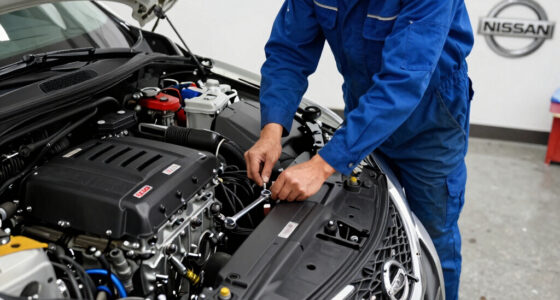
If you’ve ever tried fixing your car with a mismatched or cheap tool, you know it’s a recipe for frustration. The right set of automotive repair tools can turn a daunting task into a manageable project. But what makes a set good, and how do you build one that truly works for you?
Whether you’re tackling routine oil changes or diving into more complex repairs, this guide reveals the essentials. You’ll learn how to pick tools that match your needs, avoid common pitfalls, and keep your vehicle safe and roadworthy.
Prioritize quality materials like chrome-vanadium steel and impact-rated sockets for durability and safety.
A versatile 3/8-inch drive socket set with a mix of metric and SAE sizes covers most repairs.
Impact wrenches require impact-rated sockets — standard ones cannot withstand shock loads.
Safety gear and proper vehicle support are non-negotiable for injury-free repairs.
Regular tool maintenance and correct organization extend tool life and improve repair efficiency.
What a Quality Automotive Repair Tools Set Looks Like
A good set isn’t about having the most pieces — it’s about having the right tools. Think of it as assembling a collection of trusted allies, each designed for specific jobs. High-quality materials like chrome-vanadium steel ensure durability, while thoughtful organization makes your work faster.
Imagine trying to fix a brake caliper and finding your ratchet slips — that’s a quality issue. Instead, look for ratchets with a smooth, limited-backlash mechanism and sockets with secure retention. A sturdy case or tray helps keep everything accessible and safe, especially if you need to grab tools in a flash.
For example, a typical professional-grade set might include a 3/8-inch drive socket, a 1/2-inch drive for heavy-duty tasks, and a 1/4-inch drive for small fasteners. Each should have a mix of shallow and deep sockets, with six-point sizes for a tighter grip on fasteners.
Understanding these features is crucial because they directly impact the longevity and safety of your tools. Using inferior materials or poorly designed organization can lead to quicker wear, misplacement, or even injury during repairs. Investing in quality tools means fewer replacements and more confidence during demanding tasks, especially when applying high torque or working in tight spaces where precision is critical.
impact-rated socket set for impact wrench
As an affiliate, we earn on qualifying purchases.
As an affiliate, we earn on qualifying purchases.
The Must-Have Tools for Every DIY Garage
If you’re building your first automotive toolkit, start with these essentials. They’ll cover most basic repairs and prevent you from wasting money on unnecessary gadgets.
- Metric socket set: Shallow and deep sockets, 3/8-inch drive
- Ratchets: One 3/8-inch and one 1/4-inch for versatility
- Combination wrenches: Metric sizes, open and box ends
- Screwdrivers: Phillips and flat-head, assorted sizes
- Pliers: Needle-nose, locking, and slip-joint types
- Breaker bar: For stubborn fasteners
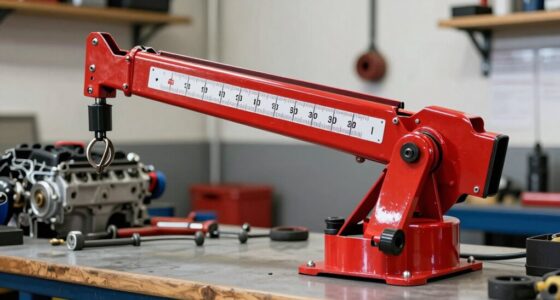
- Torque wrench: For final tightening, especially wheels and engine parts
- Multimeter: To diagnose electrical issues
- Safety gear: Gloves and glasses
This core kit can handle everything from changing a flat tire to replacing a worn belt. For example, a good 3/8-inch socket set with 10-19mm sizes can cover most bolts on a typical sedan.
Adding tools like a tire-pressure gauge and inspection light boosts your capability, making you more confident in tackling repairs independently. These tools are foundational because they address the most common and critical repair scenarios, ensuring you’re prepared without overwhelming your budget. Choosing quality over quantity here means your tools will perform reliably when it matters most, reducing the risk of stripped fasteners or inaccurate diagnoses that could complicate repairs.
professional automotive repair tools kit
As an affiliate, we earn on qualifying purchases.
As an affiliate, we earn on qualifying purchases.
Understanding Drive Sizes and Why They Matter
Drive size determines the kind of fasteners you can work with and the torque you can apply. The three common sizes are 1/4-inch, 3/8-inch, and 1/2-inch.
| Drive Size | Best For | Typical Use Cases |
|---|---|---|
| 1/4-inch | Small fasteners, tight spaces | Electronics, interior panels |
| 3/8-inch | Most versatile | Most automotive repairs, engine work, suspension |
| 1/2-inch | Heavy-duty fasteners | Wheels, suspension, high-torque bolts |
Choosing the correct drive size is essential because it influences your ability to access different fasteners and apply the necessary torque safely. For instance, a 1/4-inch drive is ideal for small, delicate fasteners in tight spaces, but it lacks the strength for larger bolts. Conversely, a 1/2-inch drive provides the robustness needed for heavy-duty tasks but can be cumbersome for delicate work. The 3/8-inch drive strikes a balance, offering versatility for most repairs. The tradeoff is that you may need multiple sets if you work on a variety of vehicles or components, which can increase costs and storage needs.
Impact-rated sockets are crucial if you’re using an impact wrench. They withstand shock loads better and last longer under heavy use, reducing the risk of sudden failure that can cause injury or damage. By understanding these differences, you can assemble a toolkit that’s both effective and safe, avoiding the pitfalls of mismatched tools that might crack or slip under load, leading to costly repairs or injuries.
3/8 inch drive socket set metric and SAE
As an affiliate, we earn on qualifying purchases.
As an affiliate, we earn on qualifying purchases.
How to Choose the Right Socket Set for Your Needs
Picking the best socket set depends on what you plan to do. Think about your vehicle type, repair frequency, and whether you’re more of a hobbyist or semi-pro.
- Assess your vehicle: Do you own an older American car or a modern Japanese hybrid? Different vehicles use different fastener sizes and types.
- Decide on drive size: For most repairs, a 3/8-inch set works. Add 1/4-inch for small fasteners, and 1/2-inch for wheels and suspension.
- Prioritize quality over quantity: A smaller, well-made set often outperforms a giant collection of cheap tools. Look for chrome-vanadium steel and impact-rated sockets for heavy work.
- Include specialty tools if needed: Spark-plug sockets, Torx, security bits, and extensions make repairs smoother.
- Match organization to your workflow: A case with clearly labeled sizes helps prevent losing critical tools in the middle of a repair.
Beyond mere selection, understanding your vehicle’s specific fastener types and sizes helps avoid frustration and damage. Using mismatched or low-quality tools can strip fasteners, prolong repairs, or even cause injury if a tool breaks unexpectedly. Carefully matching your tools to your vehicle’s requirements ensures smoother repairs, saves time, and maintains safety. The tradeoff for a tailored set is often a higher initial investment but pays off through durability and fewer setbacks, especially when working on complex or critical components.
As an affiliate, we earn on qualifying purchases.
Impact Wrenches and Sockets: When Speed Becomes Power
Impact wrenches paired with impact-rated sockets can dramatically cut repair time. Impact-rated sockets are built with thicker walls and tougher materials, designed to take repeated shocks, which is vital for safety and tool longevity.
Imagine trying to loosen a stubborn lug nut with a regular socket — it might slip, deform, or crack under the high torque. Using impact-rated sockets ensures the fastener remains secure and prevents damage to your tools or the fastener itself. This durability is especially important when dealing with rusted or overtightened bolts, where the extra strength reduces the risk of slipping or rounding off the fastener, which can make the repair more complicated and costly.
Standard sockets are typically thinner and less resistant to impacts, so their use with impact wrenches is a common cause of tool failure. The thicker walls and special alloys of impact sockets distribute shock loads more evenly, preventing deformation and extending their lifespan. Choosing impact-rated sockets is a wise investment for frequent or heavy-duty work because they enhance safety by reducing the risk of tool failure and ensure your repairs are done efficiently without unnecessary delays or hazards.
Safety First: Gear and Precautions Every DIYer Must Know
Safety gear isn’t just padding and glasses — it’s your lifeline during repairs. A sturdy pair of gloves, safety glasses, and a fire extinguisher can prevent serious injuries.
Imagine working under a car on jack stands when a tool slips. Without glasses, you risk debris or fluid splashing into your eyes. Gloves protect your hands from sharp edges, hot surfaces, and chemical exposure.
Use wheel chocks and proper lifting equipment like a hydraulic jack and jack stands. Never rely solely on a jack — it’s like balancing on a tightrope without a safety net. Always support the vehicle with stands rated for its weight.
Additional safety measures include working in a well-lit area, keeping a fire extinguisher nearby, and following proper procedures for high-voltage EV systems. Never attempt high-voltage repairs without specialized training and insulated tools.
For example, when replacing brake pads, wear gloves and glasses, and lift the vehicle with a jack and stands. It’s simple steps that prevent accidents and keep you safe.
Keeping Your Tools in Shape: Maintenance Tips for Longevity
Your tools are investments. Proper care extends their lifespan and keeps them working like new. After each use, wipe down sockets and wrenches to remove grease and grime. Store them in a dry, organized case to prevent corrosion.
Inspect tools regularly for cracks, rust, or wear. Replace damaged tools immediately. Lubricate moving parts like ratchets and hinges with light oil, but avoid overdoing it — too much oil can attract dirt.
Calibrate measurement tools like torque wrenches annually, especially if you rely on precise tightening. Proper storage, such as hanging tools or using foam trays, prevents damage and loss.
For example, a torque wrench stored in a dry drawer and calibrated annually will maintain accurate readings, preventing over-tightening or under-tightening critical components.
Think of your tools as a collection of trusted allies—treat them well, and they’ll serve you reliably for years.
The Future of Automotive Repair Tools: What’s New and Next
Modern vehicles are smarter than ever — and so are the tools. Diagnostic technology now includes Bluetooth adapters, advanced scan tools, and even smartphone apps for live data and coding. This means your toolkit isn’t just about nuts and bolts anymore.
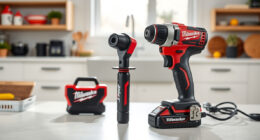
Impact tools have become cordless, offering portability and speed. Battery platforms like Milwaukee, DeWalt, and Makita now dominate, allowing you to swap batteries easily among tools.
Vehicle-specific fasteners like Torx, security bits, and low-profile sockets are more common, demanding a broader collection of specialty bits. Plus, EVs and hybrids require high-voltage safety gear, insulated tools, and specialized training.
Manufacturers are also improving organization with color-coded sockets, stackable cases, and digital inventory systems — making your tools easier to find and track.
As technology advances, your best bet is to stay informed and invest in versatile, quality tools that adapt to the evolving landscape of automotive repair.
Frequently Asked Questions
What should a basic automotive tool set include?
A basic set should have metric sockets, ratchets, extensions, combination wrenches, screwdrivers, pliers, a breaker bar, a torque wrench, a multimeter, and safety gear like gloves and glasses. These cover most DIY repairs and maintenance tasks.
How many pieces should a good set have?
Quality over quantity is key. A compact, well-chosen set with essential sizes and types often outperforms a huge, unfocused collection. Aim for around 50-100 pieces of high-quality tools tailored to your vehicle and repair needs.
Do I need metric or SAE tools?
Most modern vehicles use metric fasteners, so metric tools are essential. SAE tools are useful for older American cars or aftermarket parts. A mixed set offers the broadest compatibility, but focus first on metric for daily repairs.
Which drive size is best for beginners?
A 3/8-inch drive is the most versatile choice for general repairs. Adding a 1/4-inch set helps with small fasteners, and a 1/2-inch set is useful for wheels and suspension work.
Are six-point or 12-point sockets better?
Six-point sockets are generally preferred for high-torque work because they grip fasteners more securely, reducing the chance of slipping or rounding off corners. 12-point sockets are easier to position but are less robust under heavy loads.
Conclusion
Building a solid automotive repair tools set isn’t about amassing pieces — it’s about choosing the right, high-quality tools for your needs. Think of it as equipping your personal garage with the trusted allies that make every repair safer and faster.
Invest in good tools, follow safety protocols, and keep everything well-maintained. Your vehicle—and your peace of mind—will thank you every time you turn a wrench.
Halloween Picks
halloween
As an affiliate, we earn on qualifying purchases.