
TL;DR
Massachusetts nonprofit Frog Racing offers a free online tool for creating or reviewing virtual roll cage designs. It can compare a design with selected motorsports rulebooks and provide a safety score, but the source does not establish that the tool replaces professional review or guarantees a cage is safe or legal.
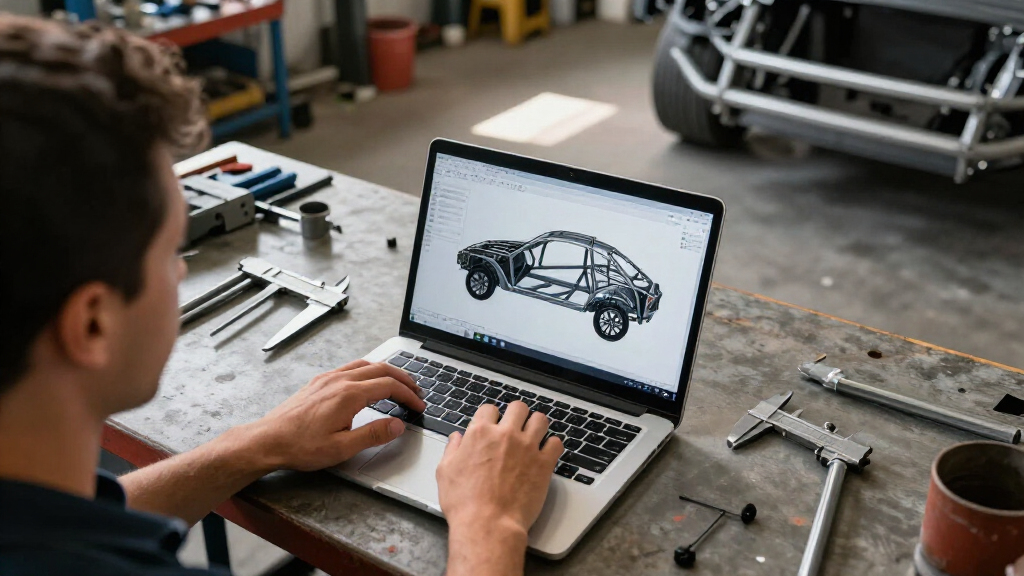
Frog Racing, a Massachusetts-based nonprofit that promotes motorsports, offers a free online roll cage assessment tool for building or reviewing virtual cage designs. The tool can compare user-supplied details with selected racing rulebooks and assign a safety score, giving racers a way to identify potential design issues before committing time and materials to fabrication.

Get business pricing on garage and car supplies
- Business-only prices and quantity discounts
- Tax-exempt purchasing
- Multiple users, one account, clear invoices
Users can start with a sample design, create a cage from scratch or import an existing file. The examples include real-world cages, commercially available kits and generic layouts, among them a half cage, an NHRA-compliant drag racing cage and a design based on FIA Article 253 Appendix J. The library also contains a deliberately poor example labeled “worst cage.”
The tool’s questionnaire collects information about the vehicle, including its year, make, model and steering-wheel side. It also asks about tubing, welds, bar and gusset placement, and cockpit dimensions. The source report says users can upload photographs for conversion into a 3D cage model, then select a rulebook to see items the tool identifies as needing changes.
Frog Racing’s assessment includes explanations of potential safety problems, such as bar placement that may put excessive load on individual bars instead of distributing forces through the structure. Designs can be exported as PDFs, and the tool runs in mobile browsers on iOS and Android, according to the report.
A Design Check Before Fabrication
Roll cages are built to protect drivers, but their design has to fit both the vehicle and the rules of the competition. A cage that does not meet a series’ requirements may need costly rework; a poorly laid-out structure can also raise safety concerns. A browser-based design aid can help users examine those issues earlier, when changes may be easier than after tubing has been cut and welded.
The tool’s explanations may also help users understand why a layout is flagged, rather than treating rule compliance as a simple pass-or-fail check. That educational role matters for people learning cage design, though the available reporting does not establish how accurate the tool is across every vehicle, rule set or real-world build. Its score should not be treated as a substitute for qualified technical judgment.
Products Worth Considering
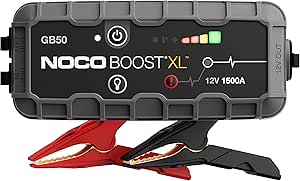
NOCO Boost GB50 1500A 12V Lithium Jump Starter

NOCO Boost GB70 2000A 12V Lithium Jump Starter

DEWALT 20V MAX Cordless Drill and Impact Driver Combo Kit (DCK277D2)
As an affiliate, we earn on qualifying purchases.
Rules Vary Across Racing Series
There is not necessarily a single off-the-shelf cage that fits every car and satisfies every racing organization’s requirements. The original report says racers often face the combined challenge of finding a cage that fits their vehicle and meets the rules for the series they intend to enter. That makes vehicle dimensions, materials, construction details and the chosen rulebook relevant to an assessment.
Frog Racing describes itself as a Massachusetts nonprofit that promotes motorsports and provides guides and tools for aspiring racers. The online assessment’s examples draw on different kinds of cages, while its safety scoring is based on FIA Article 253, according to the report. Users therefore need to distinguish that scoring basis from the separate rulebook comparison they select for a particular competition.
Limits of the Online Assessment
The source material does not explain how the tool validates its results, how often its rulebooks are updated or which sanctioning bodies are currently supported. It also does not provide independent testing, user feedback or a comparison with reviews by race officials or cage specialists. Those details matter because regulations and vehicle configurations can differ.
It is also unclear how reliably photographs can be converted into usable 3D models, what file formats are accepted for imports, and whether the safety score accounts for every aspect of fabrication and installation. The report describes features of the tool but does not establish that a design it approves will be accepted by a series or provide adequate protection in a crash. Users should confirm requirements with the relevant sanctioning body and seek qualified review before building or racing with a cage.
Check Rules Before Building
People considering the tool can begin by entering their vehicle and design details, then compare the result with the rulebook for the series they plan to enter. Before fabrication, they should verify the current regulations directly with that organization and resolve flagged issues with an experienced cage builder or other qualified professional.
The source report gives no schedule for future tool updates or additional rulebook support. Whether those details change, and how the nonprofit maintains the assessment as regulations evolve, remain open questions. For now, the tool is presented as a free online resource for exploring designs and spotting potential issues—not as a certification of a finished roll cage.
Key Questions
What does Frog Racing’s roll cage tool do?
It lets users create or import a virtual roll cage, enter vehicle and construction details, compare a design with a selected rulebook and review a safety score.
Is the roll cage assessment tool free?
The source report describes it as a free online tool. It does not provide further information about account requirements or paid features.
Can the tool confirm that a cage is safe and legal?
The report says the tool flags potential changes and assigns a safety score, but it does not establish that a result guarantees safety or acceptance by a racing organization. Check current rules and get qualified review before fabrication and use.
Can users work with existing designs?
Yes. The report says users can import a design file or upload photos for conversion into a 3D model. It does not specify supported file formats or the accuracy of photo-based modeling.
Which devices can run the tool?
According to the source report, it works in mobile browsers on iOS and Android. The report does not list specific browser requirements.
Source: thedrive.com