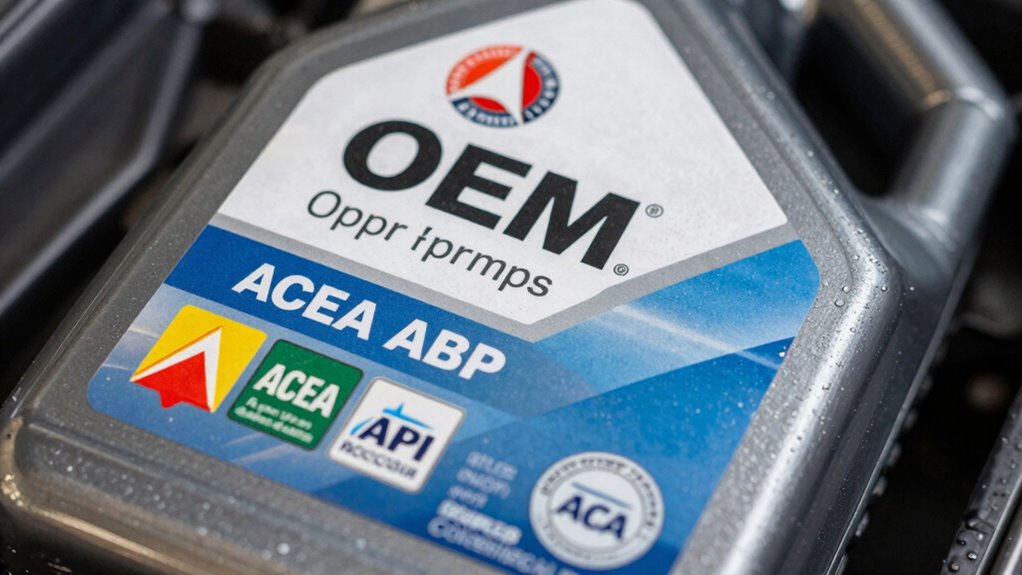
Discover how OEM approvals and ACEA/API standards differ in setting vehicle engine requirements and what that means for your vehicle’s performance and safety.
Browsing Category
OEM Approvals
44 posts
The Approval Expiration Problem: Can Approvals Change Over Time?
Yes, approvals can change over time as renewal requirements evolve and circumstances…
Non-OEM Approvals: When Aftermarket ‘Approvals’ Aren’t Approvals
Many aftermarket “approvals” may seem legitimate, but understanding what truly qualifies as genuine certification is essential—continue reading to learn more.
When Dealers Use ‘House Oil’: What You Should Ask (Politely)
Many car owners wonder what to ask when dealers use house oil; find out the key questions to protect your engine and ensure quality.
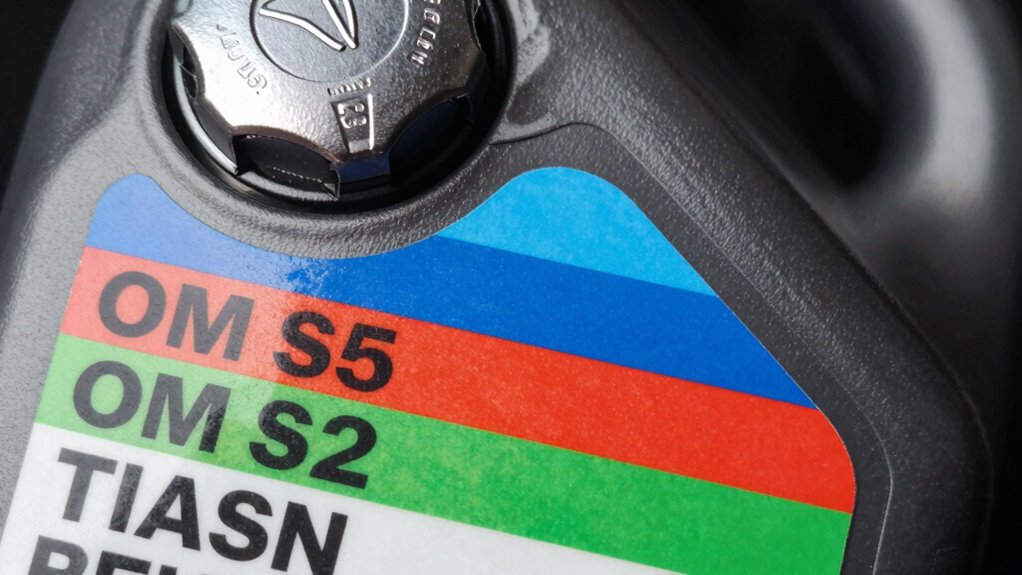
How to Read an OEM Oil Spec Line (Example Breakdown)
Learn how to read an OEM oil spec line and discover what each detail reveals about choosing the right engine oil.
Start-Stop Systems and Oil Specs: The Hidden Link
A deeper look at start-stop systems reveals how choosing the right oil specifications can significantly impact engine health and longevity.
Oil Spec for Hybrids: Why Warm-Up Cycles Change the Stress Profile
Understanding how warm-up cycles alter stress profiles in hybrid engines is crucial to selecting the right oil specifications for optimal protection.
The ‘Back-Spec’ Confusion: Can Newer Approvals Replace Older Ones?
More recent approvals may challenge older drugs, but can they truly replace them? Discover the complexities behind this regulatory debate.
Why Some Approvals Require Specific Viscosity Ranges
Proven viscosity ranges ensure lubricants meet specific performance standards, but understanding why these limits matter helps optimize machinery longevity and efficiency.
When an OEM Approval Is Overkill (and When It’s Non‑Negotiable)
Navigating when OEM approval is overkill or essential can save time and resources; learn the key factors that determine its necessity.