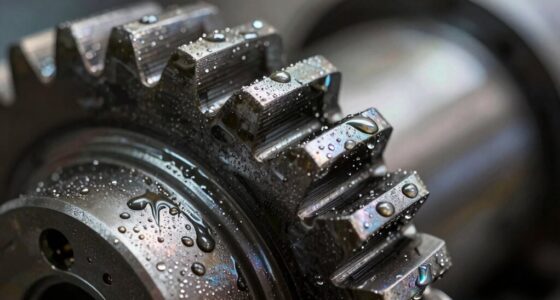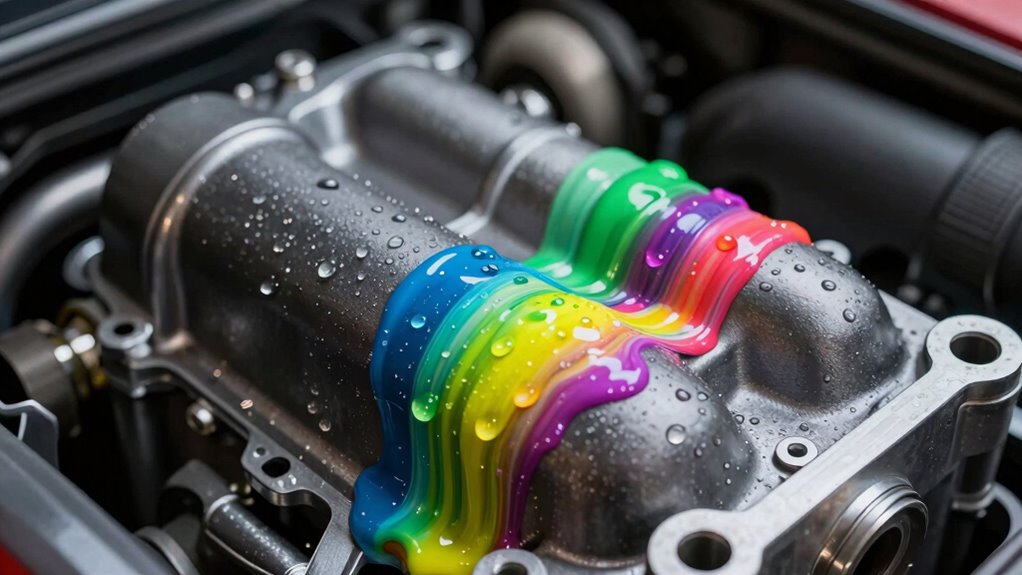

Adding more ATF additives than recommended can cause serious issues for your transmission. Excessive additives upset the fluid balance, increase friction, and may cause foaming and overheating. These problems lead to accelerated wear, potential failure, and costly repairs. Following the manufacturer’s instructions and using the right amount keeps your transmission running smoothly and extends its lifespan. Keep these tips in mind to avoid damage—there’s more to learn if you continue exploring.
Get ready for Prime Big Deal Days — try Prime free
Exclusive member deals on October 6–7, plus fast free delivery. Cancel anytime.
As an affiliate, we earn on qualifying purchases.
Key Takeaways
- Excessive ATF additive use can cause foaming, impairing fluid flow and cooling, leading to overheating.
- Overapplication disrupts the transmission’s natural lubrication balance, increasing mechanical stress and wear.
- Using more additive than recommended may accelerate transmission component wear and cause premature failure.
- Overuse can lead to increased friction and overheating, risking costly repairs and reduced transmission lifespan.
- Proper maintenance and correct additive dosage are safer and more effective than adding excessive amounts.
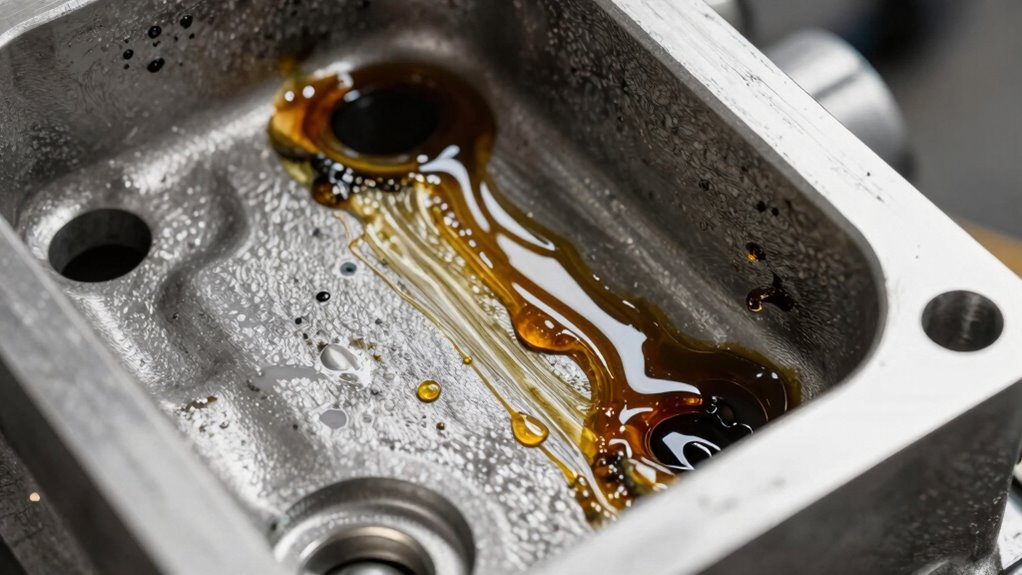
Automatic transmission fluid (ATF) additives are designed to enhance the performance and longevity of your vehicle’s transmission. While some drivers believe that adding more of these products will boost your car’s efficiency or fix transmission issues, this approach can do more harm than good. Instead of trying to squeeze extra performance out of your transmission with hefty doses of additives, it’s better to understand how they work and why moderation is key. Overusing ATF additives won’t necessarily lead to better fuel efficiency or longer engine life; in fact, it can compromise both.
When you add too much additive, you risk creating imbalances within the transmission fluid. These products are formulated to improve specific properties like lubrication or cleaning, but in excess, they can alter the fluid’s natural properties. This imbalance can cause increased friction, overheating, and accelerated wear of transmission components. Over time, these issues can lead to costly repairs and reduce the overall lifespan of your transmission. Instead of focusing on quantity, it’s smarter to select the right additive for your vehicle’s needs and follow the manufacturer’s recommended dosage.
Many drivers assume that more additive equals better performance, but this isn’t how it works. Proper transmission maintenance involves regular fluid changes and using high-quality fluids suited for your vehicle. Additives should complement these practices, not replace them. When used correctly, they can help keep your transmission running smoothly and efficiently, which in turn supports better fuel economy. A well-maintained transmission reduces energy waste, meaning you’ll get more miles per gallon and extend your engine’s operational life. It’s a simple way to maximize your vehicle’s efficiency without risking damage from over-application.
Furthermore, overusing ATF additives can lead to unintended consequences like foaming, which hampers fluid flow and cooling. This can cause your transmission to overheat and fail prematurely. Instead of trying to boost your vehicle’s performance with excessive additives, focus on routine maintenance and using products that are specifically designed for your transmission type. Proper care and the right products will naturally support better fuel efficiency and help your engine last longer. Additionally, understanding transmission fluid properties can help you make informed decisions about maintenance and additive use.
automatic transmission fluid additive
As an affiliate, we earn on qualifying purchases.
As an affiliate, we earn on qualifying purchases.
Frequently Asked Questions
Can Additive Overuse Damage My Vehicle’s Engine?
Yes, overusing additives can damage your engine. If the additive isn’t compatible with your engine, it may clog parts or reduce efficiency. Excessive additive use can also hinder additive effectiveness, leading to poor lubrication or buildup. Always follow manufacturer recommendations to guarantee the additive works properly without risking engine damage. Using the right amount maintains engine health and maximizes benefits without risking overuse issues.
Are There Specific Brands of Additives That Are Safer?
Some brands are safer because they focus on additive toxicity reduction and have better quality controls. You should look for reputable brands with transparent ingredient lists and positive reviews, as these indicate higher brand safety. Avoid cheap, unverified additives, as they may contain harmful chemicals that could damage your engine. Always follow the manufacturer’s recommendations and consult a mechanic if you’re unsure, ensuring you use additives responsibly and safely.
How Often Should I Add ATF Additives?
Be cautious with additives, as frequent use can increase additive risks and fuel maintenance myths. You should only add ATF additives when recommended by your vehicle’s manufacturer or during scheduled maintenance, typically every 30,000 to 50,000 miles. Avoid overdoing it, since extra additives can cause more harm than good. Always consult your owner’s manual or a trusted mechanic before adding anything to your transmission fluid.
Do Additives Improve Fuel Efficiency Significantly?
Additives can boost your vehicle’s fuel economy by cleaning fuel injectors and improving combustion. However, the benefits are usually modest and won’t lead to drastic savings. Relying solely on additives isn’t a safe or effective strategy for markedly improving your fuel efficiency. Instead, focus on regular maintenance, driving smoothly, and using quality fuel to get the most out of your vehicle’s additive benefits without risking engine issues.
What Are Signs of Additive-Related Engine Problems?
You notice strange knocking sounds or your engine stalls unexpectedly—that’s a warning sign. Additive-related engine problems often lead to increased engine wear and additive buildup, which can clog essential components. Watch for sluggish acceleration, rough idling, or a burning smell. These symptoms hint that excessive additives may be disrupting your engine’s harmony, risking costly damage. Stay alert, and consult a mechanic before these subtle signs turn into serious issues.
transmission fluid additive for cars
As an affiliate, we earn on qualifying purchases.
As an affiliate, we earn on qualifying purchases.
Conclusion
You might think adding more ATF additives improves your engine’s performance, but that’s not always true. Overdoing it can cause more harm than good, leading to engine problems or damage. Instead, trust the manufacturer’s recommended additives and maintenance schedule. By sticking to proven guidelines, you’ll keep your vehicle running smoothly and avoid costly repairs. Remember, more isn’t always better—sometimes, less is truly more when it comes to additives.
As an affiliate, we earn on qualifying purchases.
As an affiliate, we earn on qualifying purchases.
NFL season / tailgating Picks
team gear
As an affiliate, we earn on qualifying purchases.