
Using the wrong friction modifiers in your transmission fluid can disrupt the delicate friction curve needed for smooth shifting. When this balance is off, your transmission may feel like it’s slipping, hesitating, or failing altogether. Incompatible additives can cause inconsistent engagement and even long-term damage. If you’d like to understand how proper formulation keeps your transmission reliably performing, there’s more to discover about maintaining ideal friction conditions.
Listen free for 30 days with Audible
Thousands of audiobooks and originals — cancel anytime.
As an affiliate, we earn on qualifying purchases.
Key Takeaways
- An incompatible friction modifier disrupts the transmission’s balanced friction curve, causing slipping and rough shifting sensations.
- Wrong friction characteristics can mimic transmission failure symptoms, like hesitation or harsh engagement.
- Poor formulation or additive incompatibility leads to unpredictable shifts, feeling like the transmission is failing.
- A disrupted friction curve reduces transmission efficiency, resulting in performance issues that resemble mechanical problems.
- Properly formulated, compatible friction modifiers maintain stable friction curves, ensuring smooth operation and preventing perceived failures.
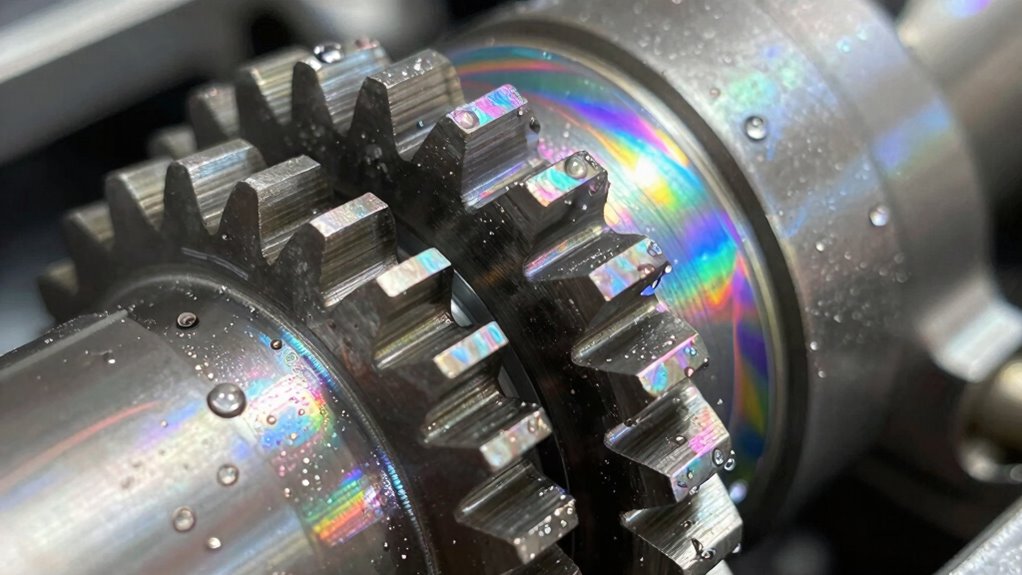
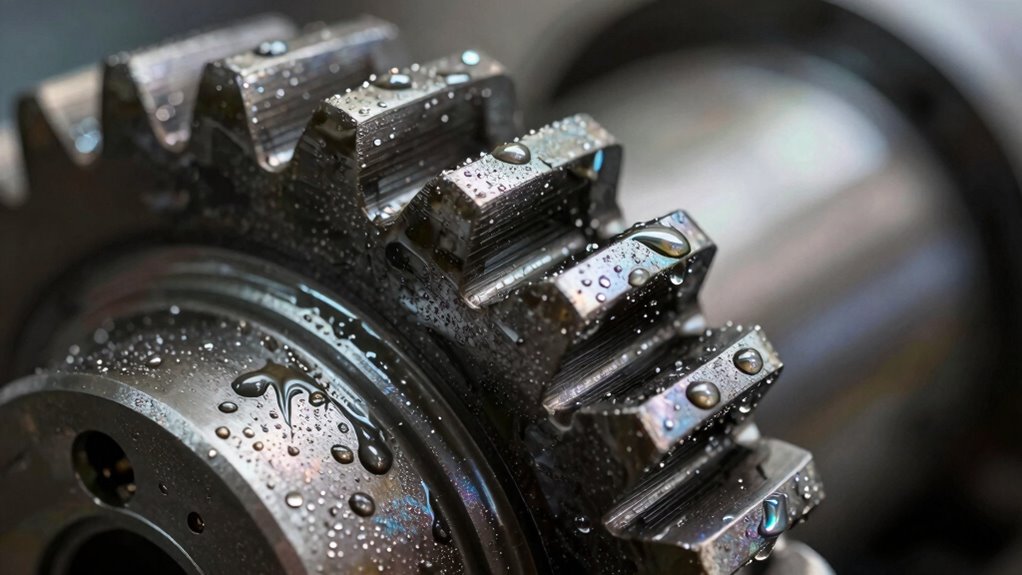
Have you ever wondered how engines run smoothly and efficiently? One key to that performance lies in the transmission fluid, specifically the friction modifiers within it. These additives are designed to maximize the friction characteristics between transmission components, ensuring smooth shifting and fuel economy. But not all friction modifiers are created equal, and understanding how they work can help you avoid the frustration of a poor driving experience. When selecting an automatic transmission fluid (ATF), you need to consider the role of synthetic formulations and additive compatibility. Synthetic formulations often provide more consistent and stable performance across various temperatures, which is essential for maintaining the correct friction curve. They resist breakdown better than conventional oils, ensuring the friction modifiers maintain their intended effect over longer periods. This stability helps keep the transmission shifting smoothly without sudden slips or harsh engagements, which can feel like failure to the driver. Additionally, proper formulation can help prevent additive incompatibility that might disrupt the delicate balance of the friction environment within the transmission.
Additive compatibility is another critical factor. Not all friction modifiers mix well with other additives in the fluid, and incompatibilities can lead to a disrupted friction curve. When the friction modifiers don’t blend properly, you might experience slipping, rough shifts, or increased wear—symptoms that suggest your transmission isn’t functioning as it should. To prevent this, manufacturers formulate ATFs with specific additive packages designed to work harmoniously. Choosing an oil with proven additive compatibility ensures that the friction modifiers reinforce each other rather than conflict. This synergy maintains the ideal friction curve, which is essential for reliable transmission operation.
Choose ATFs with proven additive compatibility to ensure smooth shifting and prevent transmission issues.
If the friction curve is off, your transmission might behave unpredictably. Instead of smooth, confident shifts, you could feel slipping or hesitation, which often feels like a failure on the part of the fluid or the transmission itself. This is where understanding the importance of proper additive formulation comes into play. When the synthetic formulations are engineered with additive compatibility in mind, they create a balanced friction environment. This balance allows the transmission to respond precisely to changing conditions, providing a consistent driving experience. It’s not just about adding friction modifiers but ensuring those additives are compatible and stable within the synthetic base oil.
In the end, aligning the right synthetic formulations with compatible additives is essential for maintaining the desired friction curve. This harmony prevents the feeling of failure during driving, keeps your transmission functioning perfectly, and prolongs its lifespan. When you choose the right ATF, you’re investing in smooth shifts, reliable performance, and peace of mind—knowing that your vehicle’s transmission is operating at its best.
automatic transmission fluid with compatible friction modifiers
As an affiliate, we earn on qualifying purchases.
As an affiliate, we earn on qualifying purchases.
Frequently Asked Questions
How Do Friction Modifiers Affect Transmission Lifespan?
Friction modifiers impact your transmission’s lifespan by altering the friction coefficient, which can either reduce wear resistance or cause excessive wear if not properly balanced. When correctly formulated, they optimize the interaction between transmission parts, decreasing friction and wear, consequently extending component life. However, if the friction curve is wrong, it can lead to increased wear resistance issues or excessive friction, ultimately shortening your transmission’s durability and risking costly repairs.
Can Incorrect Friction Modifiers Cause Engine Overheating?
Incorrect friction modifiers can cause engine overheating if they disrupt oil compatibility and lead to additive interactions that impair cooling. When incompatible additives react negatively, they can create deposits or reduce lubrication efficiency, causing the engine to run hotter. This overheating results from compromised oil performance, which hampers heat dissipation. Always confirm your oil and friction modifiers are compatible to prevent such issues and maintain ideal engine temperatures.
Are There Specific Vehicles That Benefit Most From Friction Modifiers?
You’ll find that certain vehicles, especially those with older transmissions or high-performance models, benefit most from friction modifiers. Always check vehicle compatibility and follow manufacturer recommendations because using the right friction modifiers guarantees ideal performance and protection. If your vehicle’s specs call for specific additives, sticking to those ensures smooth shifting and longevity. Ignoring these guidelines can lead to issues, so always verify compatibility before making changes.
What Are the Signs of Incompatible Friction Modifier Use?
You might notice issues like rough shifting, slipping, or increased wear if your transmission shows signs of incompatible friction modifier use. These problems happen when the additive’s friction coefficient doesn’t match your transmission’s needs, leading to poor additive compatibility. Keep an eye out for unusual noises or heat, which indicate the friction modifiers aren’t working correctly, and consider switching to a compatible formulation for ideal performance.
How Do Friction Modifiers Influence Fuel Economy?
Friction modifiers in lubricant formulation boost engine efficiency by reducing internal friction, which helps your engine operate more smoothly. When properly balanced, they decrease energy loss, improving fuel economy. However, if the friction curve isn’t right, it can cause increased wear or inefficiency, making your vehicle less fuel-efficient. So, choosing the correct friction modifiers ensures peak engine performance and better fuel mileage.
synthetic ATF for smooth shifting
As an affiliate, we earn on qualifying purchases.
As an affiliate, we earn on qualifying purchases.
Conclusion
Next time you feel that unexpected slip or hesitation, remember it’s like chasing a perfect friction curve that’s just out of reach. That elusive balance you seek is like a delicate dance on a razor’s edge—when it’s wrong, everything feels off, like trying to grip smooth ice with worn-out gloves. Instead of failure, see it as a sign to fine-tune your approach, to find that sweet spot where friction flows smoothly, and everything clicks into place.
transmission additive compatibility products
As an affiliate, we earn on qualifying purchases.
As an affiliate, we earn on qualifying purchases.
high-quality transmission fluid for reliable shifting
As an affiliate, we earn on qualifying purchases.
As an affiliate, we earn on qualifying purchases.
Fall yard work Picks
leaf blowers
As an affiliate, we earn on qualifying purchases.