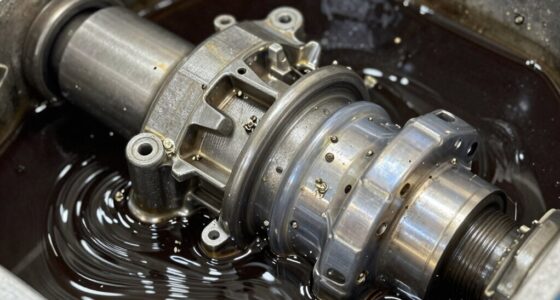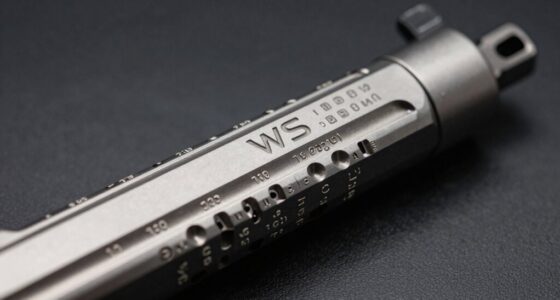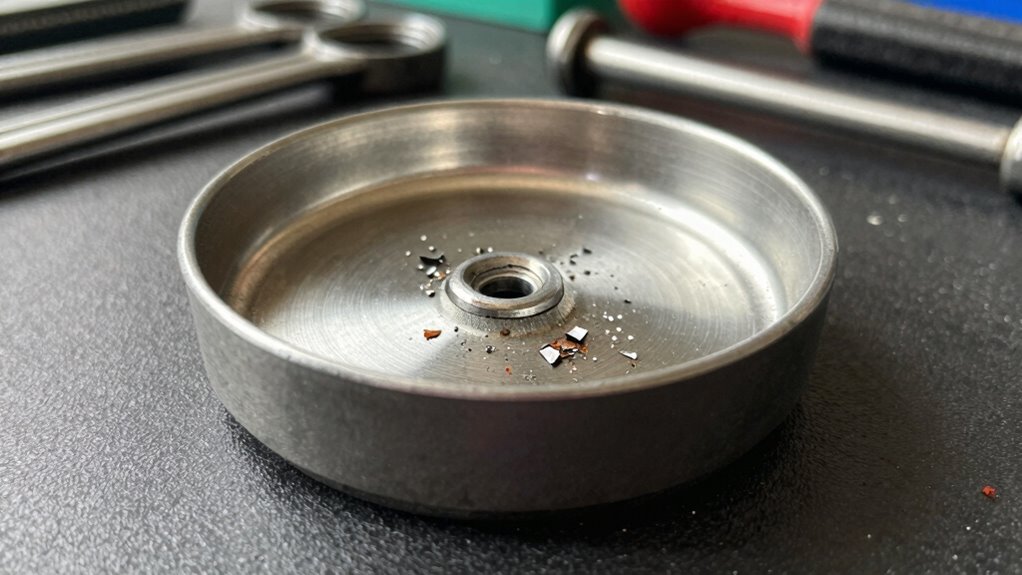

Transmission pan magnets help protect your transmission by capturing metal shavings and debris before they circulate, reducing wear and extending its life. They’re simple and inexpensive to check, offering an early warning of potential issues. However, they can’t diagnose internal problems like worn clutches or failed sensors, and they don’t guarantee your transmission is perfectly healthy. If you want to understand how to keep your transmission in top shape, keep exploring these important tools.

Get business pricing on garage and car supplies
- Business-only prices and quantity discounts
- Tax-exempt purchasing
- Multiple users, one account, clear invoices
Key Takeaways
- Transmission pan magnets capture metal debris, reducing fluid contamination and protecting internal parts from wear.
- They provide early warning signs of internal wear through debris collection but can’t diagnose specific issues.
- Regular inspection and cleaning of magnets are essential, as effectiveness diminishes over time due to temperature and contamination.
- Magnets do not replace the need for regular fluid changes or professional diagnostics of internal transmission problems.
- They are simple, cost-effective tools for monitoring debris, but can’t detect issues like worn clutches or faulty sensors.
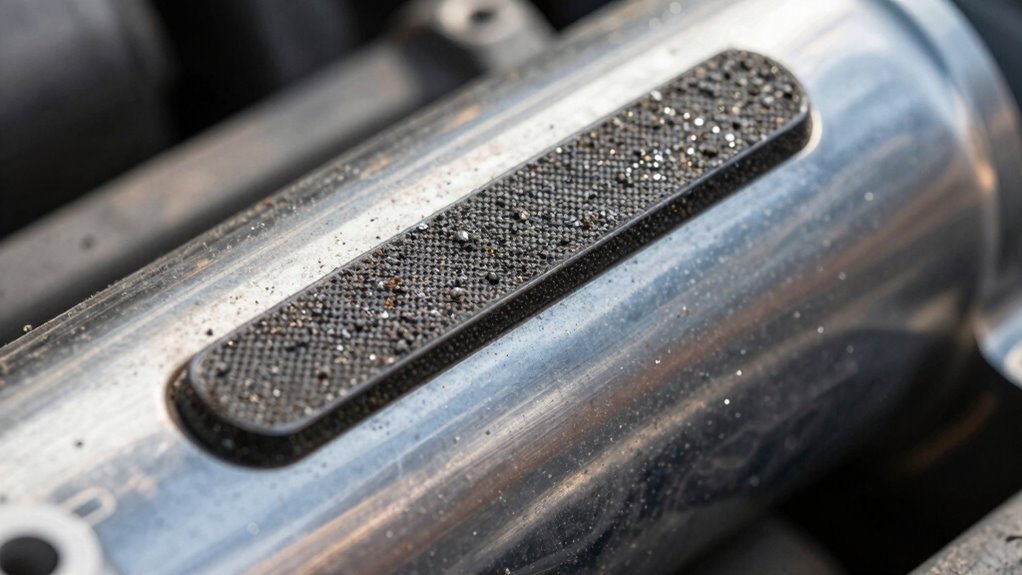
Have you ever wondered how to keep your transmission running smoothly? One key component often overlooked is the transmission pan magnet. These small but essential tools work quietly to catch metal debris and prevent it from circulating through your transmission. When functioning properly, they help protect your transmission’s internal parts, but understanding their role in managing fluid contamination and ensuring magnet longevity is critical to maintaining peak performance.
Fluid contamination is a common enemy for transmissions. As your vehicle operates, tiny metal shavings and particles naturally shed from gears and other internal components. Without a proper way to capture these debris, it can circulate with the transmission fluid, causing increased wear and potential damage. That’s where the transmission pan magnet steps in. Designed to attract and hold metal particles, the magnet minimizes the contamination of your transmission fluid, helping it stay cleaner longer. Cleaner fluid means less friction, smoother shifts, and a longer lifespan for your transmission. Regularly inspecting and cleaning the magnet ensures it continues to do its job effectively. If the magnet becomes clogged with debris, its ability to attract new particles diminishes, increasing the risk of fluid contamination and internal damage.
Fluid contamination from metal shavings can damage your transmission; a magnet helps keep fluid cleaner longer.
Magnet longevity is another essential aspect to consider. Over time, the magnet’s effectiveness can decline due to several factors. Exposure to high temperatures, frequent fluid changes, or contaminants can weaken its magnetic properties. That’s why it’s important to check the magnet periodically, especially if you notice transmission issues like slipping or rough shifting. Proper maintenance, including cleaning or replacing the magnet when necessary, helps sustain its ability to attract metal particles. A well-maintained magnet prolongs your transmission’s health by continuously capturing debris before it causes harm. Ignoring signs of magnet wear or neglecting inspection can lead to increased contamination, accelerated wear, and ultimately, costly repairs. Additionally, understanding the magnetic properties of materials involved can help you select the most effective magnet for your transmission.
While transmission pan magnets are valuable, they aren’t a cure-all. They can’t tell you about internal transmission problems like worn clutches or faulty sensors. They also don’t eliminate the need for regular transmission fluid changes or professional inspections. Instead, think of the magnet as an early warning system—an easy, inexpensive way to monitor debris and prevent larger issues down the line. Keeping an eye on your transmission pan magnet’s condition and maintaining it properly can make a significant difference in your vehicle’s longevity and performance. Remember, it’s a simple step that can save you money and stress by catching potential problems early and keeping your transmission operating smoothly for miles to come.
transmission pan magnet replacement
As an affiliate, we earn on qualifying purchases.
As an affiliate, we earn on qualifying purchases.
Frequently Asked Questions
Can Transmission Pan Magnets Prevent Transmission Failure?
Transmission pan magnets can’t prevent transmission failure directly, but they help by attracting metal shavings from fluid contamination, reducing wear on internal parts. Their effectiveness depends on how well they trap debris, which can prolong transmission life. However, magnets aren’t a cure-all; regular fluid changes and maintenance are essential. You should view them as a helpful tool, not a guaranteed safeguard against transmission failure.
How Often Should I Replace My Transmission Pan Magnet?
Think of your transmission pan magnet as a vigilant guard collecting debris. You should replace it during every transmission fluid change or roughly every 30,000 to 50,000 miles. Magnet maintenance is key to keeping it effective, so don’t forget to verify for excessive metal shavings. Regular replacement intervals ensure your transmission stays clean and smooth, preventing potential damage and costly repairs down the line.
Do All Vehicles Benefit From Transmission Pan Magnets?
Not all vehicles benefit equally from transmission pan magnets. If your vehicle has a transmission with a removable pan, installing a magnet can help catch metal debris and prevent damage. You should regularly check and remove the magnet to keep it effective. Some vehicles may not need magnet installation, but if debris buildup is a concern, adding a magnet can extend transmission life and improve performance.
Are There Different Types of Transmission Pan Magnets?
You might think all transmission pan magnets are the same, but they aren’t. Different types vary in magnet material, like ceramic or neodymium, which affects strength and durability. Magnet placement is also key—some are designed for maximum contact with fluid flow, while others are better positioned for easy cleaning. Choosing the right type guarantees better debris collection, helping you maintain your transmission’s health more effectively.
What Signs Indicate My Transmission Pan Magnet Needs Checking?
If you notice metal particles on your transmission pan magnet or see increased fluid contamination, it’s time to check it. These signs suggest wear within the transmission gears or clutches, which can lead to damage if ignored. Regular inspection helps catch issues early, preventing costly repairs. Keep an eye out for unusual metal buildup or contaminated fluid, and consider checking your transmission pan magnet to maintain ideal transmission health.
metal debris transmission magnet
As an affiliate, we earn on qualifying purchases.
As an affiliate, we earn on qualifying purchases.
Conclusion
So, now you know why transmission pan magnets matter—they reveal clues about your transmission’s health. But remember, they can’t tell you everything. Hidden issues could still be lurking, waiting to surprise you down the road. Keep an eye on those magnets, but stay vigilant. The real story of your transmission might still be unfolding. Are you ready to uncover what’s next? The key to your transmission’s future might just be one magnet away.
transmission fluid contamination magnet
As an affiliate, we earn on qualifying purchases.
As an affiliate, we earn on qualifying purchases.
automatic transmission pan magnet
As an affiliate, we earn on qualifying purchases.
As an affiliate, we earn on qualifying purchases.
Fall Picks
fall essentials
As an affiliate, we earn on qualifying purchases.