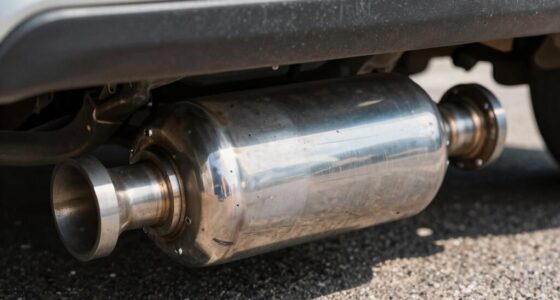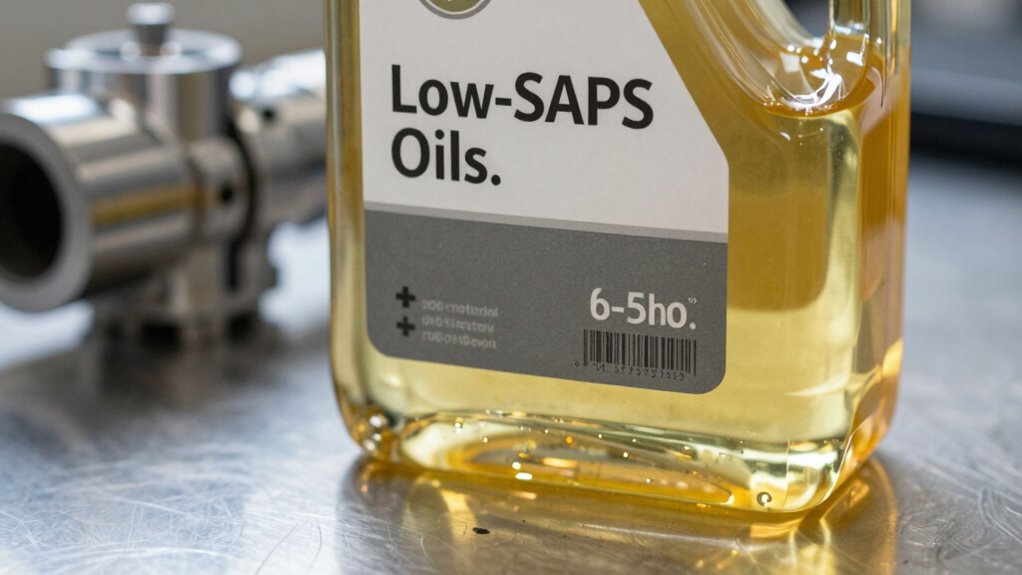

Low-SAPS oils balance wear protection with emission system safety by combining advanced additive packages and synthetic or blended base oils. They include detergents, antioxidants, and anti-wear agents designed to prevent engine wear while keeping sulfur, phosphorus, and ash levels low to protect catalytic converters and filters. This careful formulation guarantees your engine stays protected without harming emission components. If you’re curious about how these oils achieve this delicate balance, there’s more to uncover ahead.

Get business pricing on garage and car supplies
- Business-only prices and quantity discounts
- Tax-exempt purchasing
- Multiple users, one account, clear invoices
Key Takeaways
- Achieving a balanced additive package that provides anti-wear protection without compromising emission system components.
- Incorporating synthetic blends to enhance thermal stability and wear resistance while maintaining low SAPS levels.
- Carefully controlling detergent and dispersant levels to prevent sensor interference and protect catalysts.
- Using antioxidants to prevent oil degradation, ensuring consistent wear protection over extended oil change intervals.
- Optimizing additive formulations to protect engine parts and emission devices simultaneously, ensuring overall system longevity.
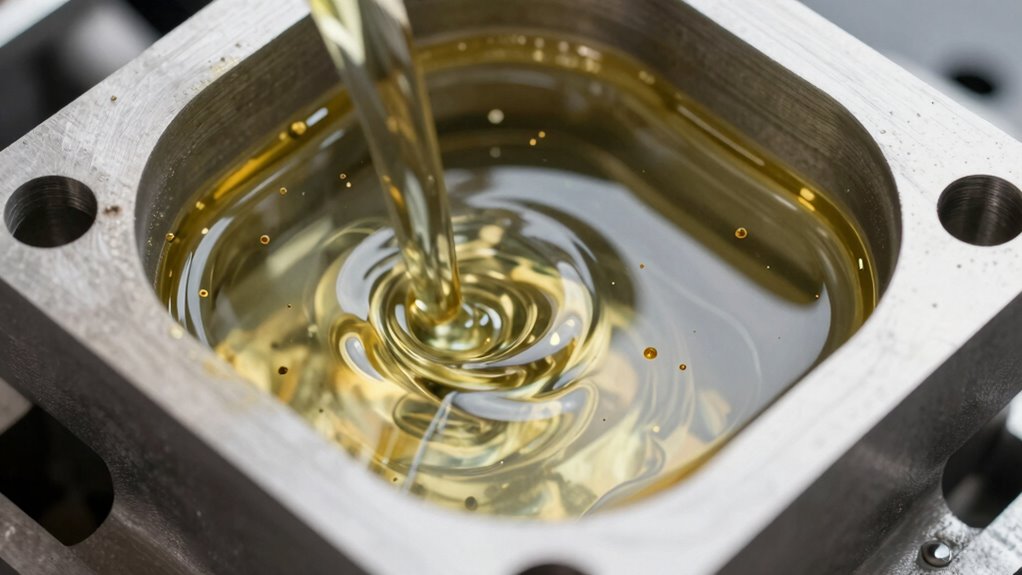
Low-SAPS oils have become essential for modern engines because they reduce wear and extend component life. These oils are specially formulated to meet the demands of newer vehicles equipped with advanced emission control systems, such as catalytic converters and diesel particulate filters. To achieve this, manufacturers often incorporate synthetic blends and sophisticated additive packages that work together to deliver ideal protection without compromising the performance of these sensitive components.
Low-SAPS oils protect modern engines and emission systems with synthetic blends and advanced additive packages.
Synthetic blends are a key feature of many low-SAPS oils. They combine the best properties of conventional mineral oils with the enhanced stability and protection of fully synthetic oils. This blend creates a lubricant that offers superior thermal stability, better viscosity control, and improved wear resistance. As a result, your engine benefits from consistent lubrication under various operating conditions, reducing the risk of metal-to-metal contact and minimizing wear over time. Synthetic blends also tend to have better low-temperature flow characteristics, ensuring easier starts and quicker oil circulation in cold weather, which is vital for protecting engine parts from cold-start wear.
Another essential factor in low-SAPS oils is the additive package. Additives are chemicals added to the base oil to enhance its properties. For low-SAPS oils, these packages are carefully balanced to protect engine parts while also ensuring compatibility with emission control devices. Typical additives include detergents and dispersants that keep engine surfaces clean and prevent sludge buildup, antioxidants that reduce oil oxidation and degradation, and anti-wear agents that form protective films on metal surfaces. These additives work synergistically to reduce friction, prevent corrosion, and extend the oil’s life, all while maintaining low sulfur, ash, phosphorus, and other elements that can harm emissions systems.
You need to pay attention to this balance because too many anti-wear additives or overly aggressive detergents can interfere with emission system components, leading to costly repairs or system failures. Achieving the right balance in additive formulations is crucial in low-SAPS oils to provide optimal wear protection without compromising the longevity of your catalytic converter and filters. This careful formulation means you get the best of both worlds: excellent wear protection and compatibility with emissions controls.
As an affiliate, we earn on qualifying purchases.
Frequently Asked Questions
Do Low-Saps Oils Perform Well in High-Performance Engines?
Yes, low-SAPS oils perform well in high-performance engines because they reduce deposits and improve fuel efficiency. They’re designed to minimize emissions, helping your engine stay cleaner and more efficient over time. By using low-SAPS oils, you support ideal engine wear protection while also contributing to environmental goals. Just make certain you choose the right type for your engine’s specifications to get the best performance and longevity.
How Often Should Low-Saps Oils Be Changed for Optimal Protection?
You should follow your vehicle’s recommended oil change intervals, typically every 5,000 to 7,500 miles, but always check your maintenance schedule. Low-SAPS oils may require more frequent changes if you drive under severe conditions or high-performance engines. Regular oil changes guarantee maximum protection, prevent wear, and keep your engine running smoothly. Staying attentive to your manufacturer’s guidelines helps you maintain engine health and maximize the benefits of low-SAPS oils.
Are Low-Saps Oils Compatible With Older Vehicle Models?
Yes, low-SAPS oils can be compatible with older vehicle models, including antique vehicles, but it’s essential to check the manufacturer’s recommendations. Some vintage engines may require specific oil formulations for ideal performance and protection. Always verify if the low-SAPS oil meets the standards for vintage compatibility, and consider consulting a specialist if you’re unsure. Proper oil choice helps preserve the engine’s longevity and maintains its original performance.
What Additives Are Typically Included in Low-Saps Oils?
You’ll find that low-SAPS oils typically include additives like anti-wear agents, dispersants, antioxidants, and detergents. These additives are carefully chosen for their additive formulation and additive stability, ensuring they function effectively without compromising the oil’s low-SAPS properties. This balance helps protect engine parts, reduce deposits, and maintain oil longevity, all while preventing harmful sulfate ash buildup that can affect catalytic converters and emission controls.
Can Low-Saps Oils Prevent Engine Sludge Buildup Effectively?
Low-SAPS oils can considerably reduce engine sludge buildup since they contain fewer detergent additives. Studies show that engines using low-SAPS oils experience 30% less sludge over time. They maintain proper oil viscosity, ensuring better flow and cleaning. By preventing sludge, these oils help keep your engine cleaner and more efficient, but regular maintenance is essential for peak protection. So, yes, low-SAPS oils can effectively prevent engine sludge when used properly.
As an affiliate, we earn on qualifying purchases.
Conclusion
Think of your engine like a delicate garden. Using low-SAPS oils is like planting gentle, nourishing seeds that protect the soil, but you still need the right balance to keep weeds (wear) at bay. When you choose the right oil, you’re tending this garden carefully—balancing growth and protection. Just as a gardener doesn’t overwater or underfertilize, you shouldn’t overuse or underuse your oil. With the right balance, your engine blossoms and stays healthy for miles to come.
oil additive for wear protection
As an affiliate, we earn on qualifying purchases.
As an affiliate, we earn on qualifying purchases.
As an affiliate, we earn on qualifying purchases.
Fall Picks
fall essentials
As an affiliate, we earn on qualifying purchases.