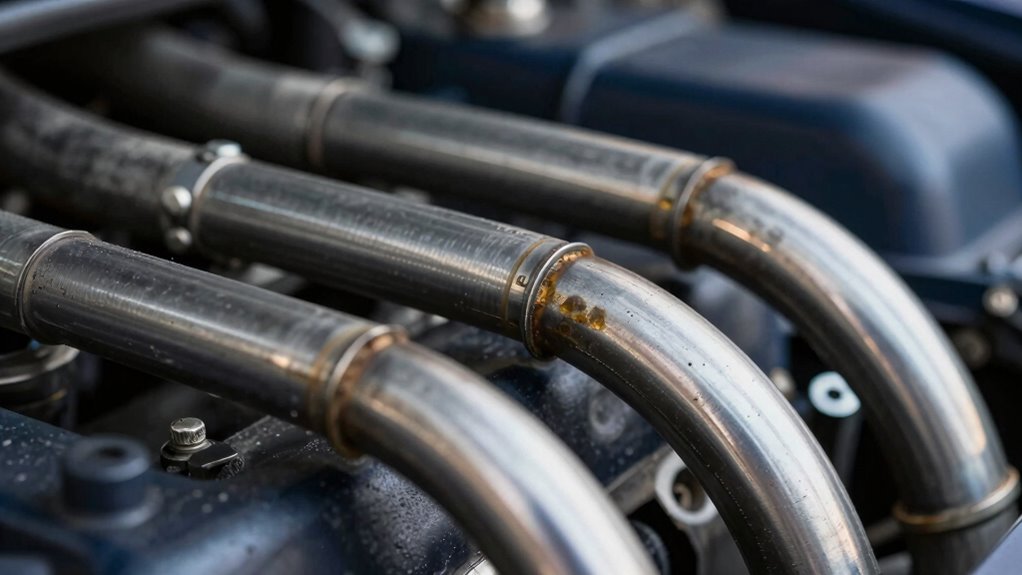
Flow restrictions in your transmission cooler lines can seriously cut down your fluid’s lifespan. When lines are kinked, clogged, or blocked, they hinder proper fluid flow, causing it to overheat and break down faster. Overheated fluid loses its lubricating and cooling properties, increasing wear on internal parts and risking transmission damage. Keep an eye out for signs of flow issues, and you’ll find out more about how to protect your transmission’s health.
Key Takeaways
- Restricted cooler lines hinder transmission fluid flow, causing overheating and accelerated fluid breakdown.
- Poor flow reduces the cooling efficiency, leading to elevated fluid temperatures and faster degradation.
- Blocked or kinked lines increase internal component wear due to inconsistent lubrication and cooling.
- Over time, restricted flow promotes sludge buildup, further impairing fluid quality and transmission performance.
- Maintaining clear, unobstructed cooler lines helps extend fluid life and ensures optimal transmission operation.
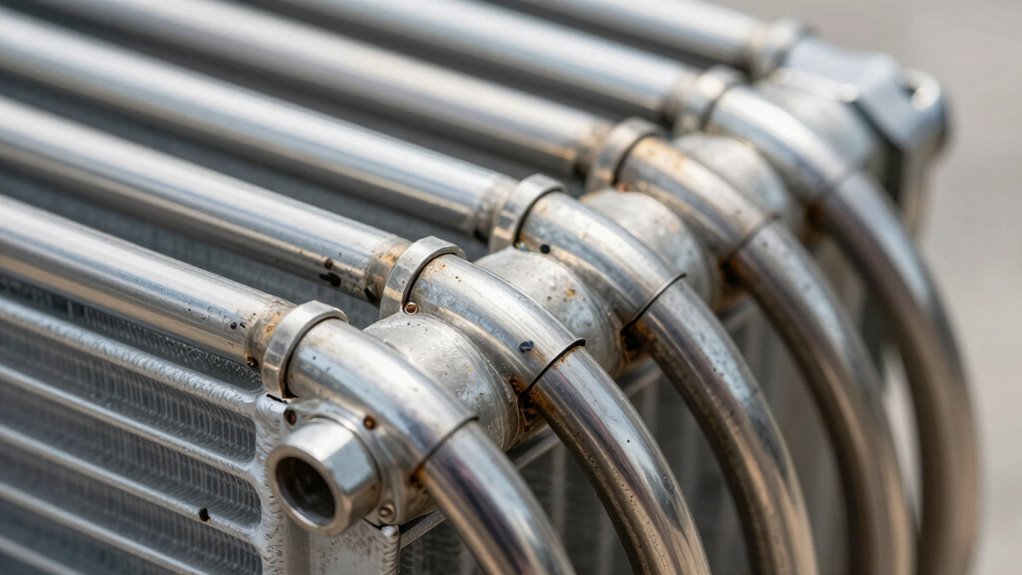
Have you ever wondered how your vehicle keeps its transmission running smoothly? One essential component often overlooked is the transmission cooler lines. These lines are responsible for transporting transmission fluid between the radiator and the transmission itself. Their proper function is necessary for maintaining peak performance and longevity of your vehicle’s transmission system. When fluid flow through these lines is restricted, it can lead to a cascade of problems, including overheating and premature fluid degradation.
Fluid flow is the backbone of a healthy transmission. If the cooler lines become clogged or kinked, the transmission fluid doesn’t circulate efficiently. This reduced flow means the fluid isn’t reaching the radiator or cooler properly, which hampers temperature regulation. When fluid isn’t cooled adequately, it can quickly heat up beyond safe levels. Elevated temperatures cause the transmission fluid to break down faster, losing its lubricating and cooling properties. As a result, internal components face increased wear and tear, risking costly repairs down the line.
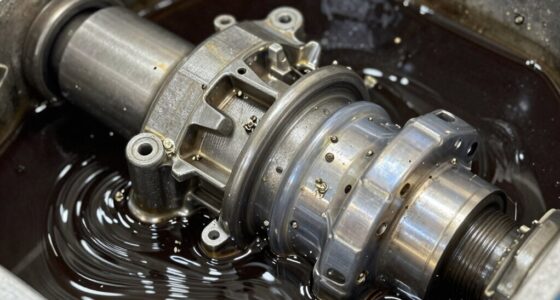
Clogged cooler lines hinder fluid flow, leading to overheating and increased transmission wear.
Temperature regulation is essential because it directly influences the lifespan of your transmission fluid. Cooler lines help dissipate heat generated by friction and mechanical work inside the transmission. When flow restrictions occur, the fluid remains hotter for longer periods, diminishing its effectiveness. Over time, this can lead to sludge buildup, varnish deposits, and reduced fluid viscosity. These issues impair the transmission’s ability to shift smoothly and can cause slipping, harsh gear changes, or even complete failure.
You might notice symptoms of flow restrictions if your vehicle experiences overheating, delayed or erratic shifting, or if you detect a burnt smell from the transmission fluid. Regular inspections of the cooler lines can help you identify kinks, leaks, or blockages early, preventing serious damage. Replacing or repairing damaged lines restores proper fluid flow and guarantees effective temperature regulation. Remember, maintaining clean, unobstructed cooler lines isn’t just about avoiding breakdowns; it’s about extending the life of your transmission fluid and, by extension, the entire transmission system.
In addition, proper fluid flow is critical for avoiding damage to sensitive internal components. Maintaining clean, unobstructed cooler lines isn’t just about avoiding breakdowns; it’s about extending the life of your transmission fluid and, by extension, the entire transmission system. Remember, maintaining clean, unobstructed cooler lines isn’t just about avoiding breakdowns; it’s about extending the life of your transmission fluid and, by extension, the entire transmission system.
In essence, understanding how fluid flow and temperature regulation interact within your transmission cooler lines underscores their importance. When these lines function correctly, they help keep your transmission cool and fluids fresh, promoting smooth shifts and reliable performance. Don’t neglect their condition—regular maintenance and prompt repairs safeguard your vehicle’s transmission health, saving you money and hassle in the long run. Properly functioning cooler lines are small components with a big impact on your vehicle’s overall performance and longevity.

6AN 70" Transmission Fluid Oil Cooler Hose Line kit for GM Chevy Transmission 4L80E TH350 TH400 4L60E 700R4 200-4R TR6060 Ford AOD 4R100 4R70W and C5 Stainless Steel Braided PTFE Hose
- Universal Compatibility: Fits various GM and Ford transmissions
- Enhanced Cooling Function: Improves transmission cooling efficiency
- Durable Construction: Extends transmission lifespan by reducing heat
As an affiliate, we earn on qualifying purchases.
As an affiliate, we earn on qualifying purchases.
Frequently Asked Questions
How Often Should Transmission Cooler Lines Be Inspected?
You should inspect your cooler lines regularly, ideally every 30,000 miles or during routine maintenance. Cooler line maintenance is vital to prevent flow restrictions that can harm transmission fluid life. Pay attention to signs of leaks, cracks, or blockages, and confirm the lines are clean and unobstructed. Regular inspections help catch issues early, guaranteeing your transmission runs smoothly and lasts longer.
Can Transmission Cooler Line Leaks Cause Transmission Failure?
A small cooler line leak can silently lead to transmission troubles. When cooler line corrosion occurs, it may cause leaks that introduce fluid contamination and reduce cooling efficiency. Over time, this can strain your transmission, increasing the risk of failure. Regular inspections catch leaks early, preventing costly damage. Don’t ignore even tiny drips—addressing leaks promptly maintains fluid quality and ensures your transmission stays healthy and reliable.
Are Aftermarket Transmission Cooler Lines Better Than OEM?
You’ll find aftermarket transmission cooler lines can be better than OEM if they’re made from durable materials and installed properly. They often offer enhanced material durability, resisting corrosion and leaks longer. However, quality varies among brands, so it’s crucial to select high-quality aftermarket lines and guarantee professional installation. Proper installation prevents flow restrictions, which helps maintain fluid life and transmission performance, ultimately protecting your vehicle’s transmission system.
What Are Signs of Flow Restriction in Cooler Lines?
Think of your cooler lines as arteries, and signs of flow restriction as warning signs of a stroke. You might notice sluggish shifting, higher transmission temps, or fluid leaks. Clogged passages and corrosion buildup can cause these issues, restricting fluid flow. If your transmission isn’t cooling properly or you feel delays during gear changes, it’s time to inspect for flow restrictions and keep your system healthy.
How Do Temperature Fluctuations Impact Cooler Line Durability?
Temperature fluctuations cause thermal expansion and contraction in cooler lines, which can weaken the material over time. You might notice increased wear or leaks as the lines endure repeated expansion and contraction cycles. This process accelerates material fatigue, reducing the cooler line’s durability. To prevent damage, guarantee your cooler lines are properly maintained and monitored, especially during extreme temperature changes, to extend their lifespan and sustain ideal transmission performance.
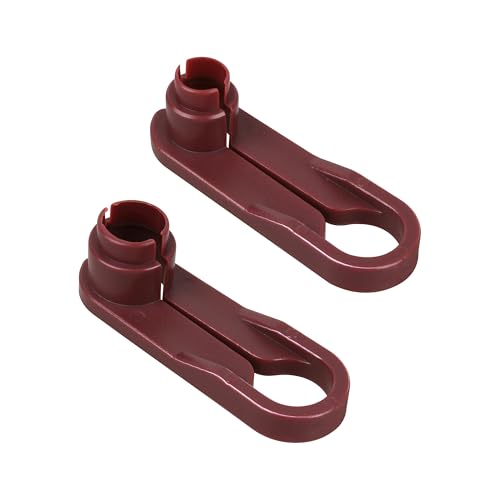
39960 For Ford Transmission Oil Cooler Transmission line disconnect tool 2-Pcs
- Durable Pipeline Disconnection Tool: Resists bending and snapping
- Compatible with Ford & Cadillac: Precisely disconnects transmission oil cooler lines
- Versatile Transmission Tool: Ideal for service, upgrades, and fluid flushes
As an affiliate, we earn on qualifying purchases.
As an affiliate, we earn on qualifying purchases.
Conclusion
Keep your transmission cooler lines clear and consistent. Clogged or constricted lines cause chaos, compromising fluid flow and shortening fluid life. By checking for blockages and maintaining proper pressure, you protect your transmission’s performance and prolong its lifespan. Remember, smooth, steady flow is essential for vitality. Stay vigilant, prevent problems, and keep your transmission cool, clean, and continuously capable. Proper care creates a powerful, problem-free drive, ensuring every journey stays joyful and hassle-free.
6AN 70" Transmission Fluid Oil Cooler Hose Line kit for GM Chevy Transmission 4L80E TH350 TH400 4L60E 700R4 200-4R TR6060 Ford AOD 4R100 4R70W and C5 Stainless Steel Braided PTFE Hose
- Universal Compatibility: Fits various GM and Ford transmissions
- Enhanced Cooling Function: Improves transmission cooling efficiency
- Durable Construction: Extends transmission lifespan by reducing heat
As an affiliate, we earn on qualifying purchases.
As an affiliate, we earn on qualifying purchases.
6AN 70" Transmission Fluid Oil Cooler Hose Line kit for GM Chevy Transmission 4L80E TH350 TH400 4L60E 700R4 200-4R TR6060 Ford AOD 4R100 4R70W and C5 Stainless Steel Braided PTFE Hose
- Universal Compatibility: Fits various GM and Ford transmissions
- Enhanced Cooling Function: Improves transmission cooling efficiency
- Durable Construction: Extends transmission lifespan by reducing heat
As an affiliate, we earn on qualifying purchases.
As an affiliate, we earn on qualifying purchases.