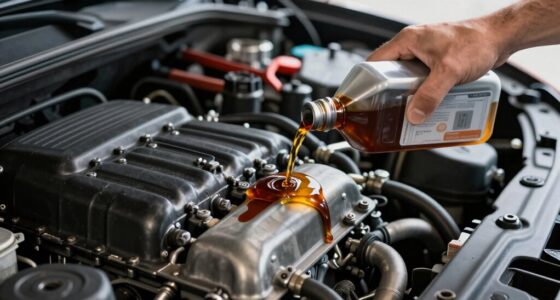
The key factor determining if you can use diesel oil in a gas engine is whether the oil’s formulation matches your engine’s needs. Diesel oils contain detergents and additives designed for diesel contaminants and higher pressures, which may not suit gas engines. Using the wrong oil can cause wear and damage. To make certain of safety and performance, check your manufacturer’s recommendations first—continuing will reveal important details to contemplate.
Key Takeaways
- Compatibility depends primarily on the engine’s design and manufacturer’s specifications.
- Diesel oil’s formulation, including additives and viscosity, may not suit gas engine operating conditions.
- Using diesel oil in a gas engine can cause improper lubrication and increased engine wear.
- Engine compression ratios and operating temperatures influence whether diesel oil is appropriate.
- Manufacturer approval is essential before using diesel oil in a gas engine, especially in modern or critical equipment.
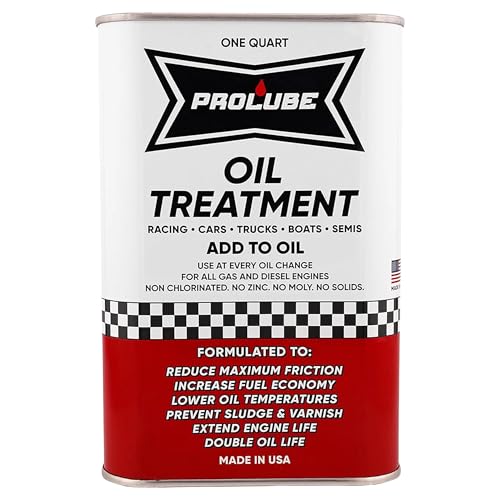
Prolube Oil Treatment – Engine Oil Additive for Gas & Diesel Engines – Reduces Wear, Noise, Vibration – Boosts Fuel Economy & Horsepower – Works on Transmissions & Differentials (1QT)
- Enhances Engine Performance: Increases horsepower and reduces noise
- Reduces Vibrations: Smooths engine vibrations for quieter operation
- Improves Fuel Efficiency: Decreases fuel consumption and friction
As an affiliate, we earn on qualifying purchases.
As an affiliate, we earn on qualifying purchases.
What’s the Difference Between Diesel Oil and Gasoline Engine Oil?

Diesel oil and gasoline engine oil are formulated differently to meet the specific demands of their respective engines. Diesel oil typically contains higher levels of detergents and additives to handle the soot and sludge produced by diesel combustion. It’s designed to withstand higher temperatures and pressures in diesel engines, providing better lubrication and wear protection. Gasoline engine oil, on the other hand, focuses on minimizing deposits, controlling combustion by-products, and maintaining smooth operation in spark-ignition engines. Its additive package is optimized for cleaner burning and reduced sludge formation. Using the wrong oil can compromise engine performance and longevity. While they share some similarities, each oil type is tailored to address the unique operating conditions of diesel and gas engines. Engine compatibility is crucial when selecting motor oil to ensure optimal engine health and performance. Additionally, using the appropriate oil can prevent issues such as engine wear and costly repairs. Proper oil selection also supports the engine’s overall efficiency and prolongs its service life. Understanding the different additive compositions of each oil type helps in making the right choice for your engine.

CMTOOL Engine Oil Tester, Gasoline Diesel Engine Oil Quality Analyzer, High-Precision Checker, 800mm Flexible Probe Built-in Identifier Audio Alerts Backlit Display
- Oil Quality Analysis: Checks oil impurities and contaminants
- Built-in Temperature Sensor: Measures engine temperature (-10℃-60℃)
- Dual Test Modes: Supports gasoline and diesel engine testing
As an affiliate, we earn on qualifying purchases.
As an affiliate, we earn on qualifying purchases.
Is It Safe to Use Diesel Oil in a Gas Engine?
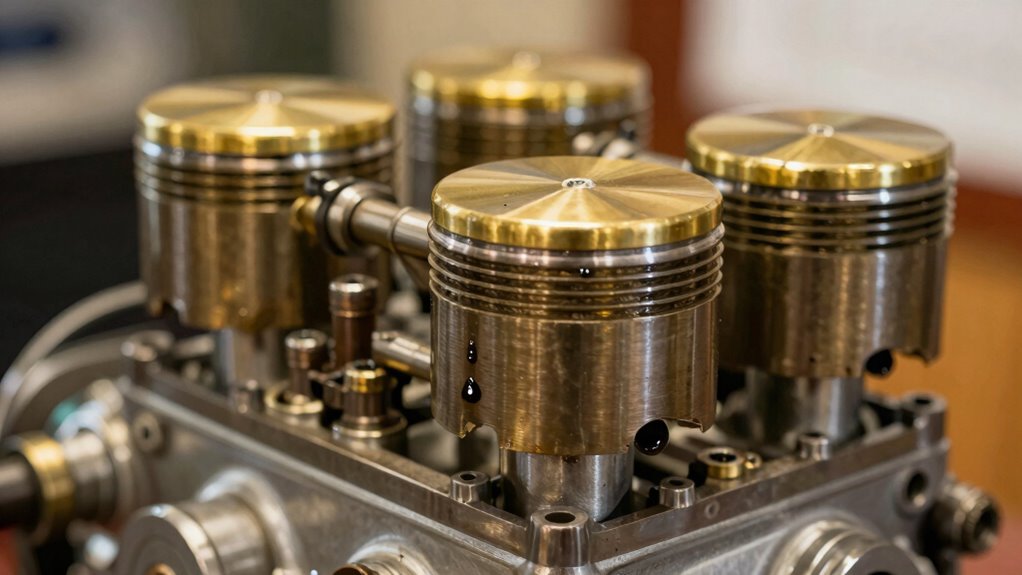
Using diesel oil in a gas engine isn’t always straightforward, as compatibility depends on the engine’s design and the oil’s properties. You need to take into account potential mechanical risks that could arise from mismatched oil types. For example, engine compatibility plays a crucial role in determining whether diesel oil can be safely used in a gas engine. Let’s examine whether using diesel oil is safe and what factors you should keep in mind.
Compatibility of Oil Types
While diesel oil may seem similar to gasoline engine oil, they are formulated with different additives and properties that affect compatibility. Diesel oils often contain detergents and dispersants designed to handle soot and heavy contaminants found in diesel engines, which might not be suitable for gasoline engines. Using diesel oil in a gas engine can lead to improper lubrication, increased wear, and potential engine damage. Conversely, gasoline engine oils are tailored for the combustion characteristics and lubrication needs of spark-ignited engines. It’s essential to check the oil’s specifications and manufacturer recommendations before mixing or substituting these oils. Although they might appear interchangeable, the differences in formulation mean that using the wrong type could compromise engine performance and longevity. Oil compatibility is a crucial factor to consider when choosing the appropriate lubrication for your engine.
Engine Design Differences
The design differences between diesel and gasoline engines considerably influence whether diesel oil can be safely used in a gas engine. Diesel engines operate under higher compression ratios, requiring thicker, more robust oils for lubrication. Gas engines, however, use lighter oils suited for lower compression and faster RPMs. These variations impact oil flow, viscosity, and filtration needs. Using diesel oil in a gas engine might cause inadequate lubrication or sludge buildup. Consider the following key differences:
| Aspect | Diesel Engine | Gas Engine | Impact on Oil Use |
|---|---|---|---|
| Compression Ratio | Higher (14:1 to 25:1) | Lower (8:1 to 12:1) | Affects oil viscosity requirements |
| Operating Temperature | Higher due to combustion process | Lower, more fluctuating temperatures | Influences oil stability |
| Lubrication Needs | Thicker, more durable oils preferred | Lighter oils suitable | Compatibility depends on oil specs |
| Fuel Type | Diesel | Gasoline | Different combustion effects |
| Engine Speed | Generally slower, higher torque | Faster, lower torque | Affects oil flow and cooling |
Potential Mechanical Risks
Introducing diesel oil into a gas engine can pose significant mechanical risks because their design and lubrication requirements differ markedly. Diesel oil is formulated to withstand higher pressures and temperatures typical of diesel engines, which can lead to improper lubrication in a gas engine. Using it may cause increased wear on engine components like pistons, valves, and bearings. The oil’s thicker consistency can hinder proper circulation, leading to deposits, sludge buildup, and reduced engine efficiency. Over time, these issues can cause overheating, component failure, or even engine seizure. You might also experience increased oil consumption and faster deterioration of engine parts. To avoid costly repairs or damage, it’s safest to stick with the recommended oil types specified for your gas engine. Using the wrong oil can also impact overall home safety and maintenance routines.]
As an affiliate, we earn on qualifying purchases. As an affiliate, we earn on qualifying purchases.
MOLUCKFU Engine Oil Comparator Tool and Transmission Oil Viscosity Tester Acrylic Stand for Accurate Car Maintenance and Quality Testing
What’s the Main Factor That Affects Using Diesel Oil in Gas Engines?
One of the most important factors influencing the use of diesel oil in gas engines is compatibility. You need to confirm that the oil’s formulation aligns with the engine’s requirements. Diesel oils typically contain additives designed for diesel combustion, which may not suit gas engines. Using incompatible oil can cause poor lubrication, increased wear, or engine damage. Check your engine’s specifications and manufacturer recommendations before switching oils. Look for oils labeled as suitable for gasoline engines, which have different additive packages to handle the combustion process and fuel types. The main factor is whether the oil’s properties match your engine’s needs, so always verify compatibility to avoid risks and guarantee optimal performance. Additionally, understanding the causes of narcissistic behaviors can help you better recognize and manage difficult interactions with narcissistic individuals. Ensuring proper engine oil compatibility is essential for maintaining engine longevity and efficiency, and consulting with a qualified mechanic can provide personalized guidance on suitable oil choices. Being aware of engine specifications can further prevent potential issues caused by using incorrect oils. It’s also helpful to consider oil formulation differences to ensure the oil you select is appropriate for your engine type.

STP Premium Synthetic Blend 4 Cycle Small Engine Oil, SAE 10w30 Motor Oil for Lawnmowers, Generators, Tractors, Snow Blowers, and More, 32 fl oz
- Engine Compatibility: Suitable for small engines like lawnmowers and generators
- Temperature Resistance: Fights thermal breakdown for high-temperature durability
- Engine Cleanliness: Prevents buildup and controls carbon deposits
As an affiliate, we earn on qualifying purchases.
As an affiliate, we earn on qualifying purchases.
How Can I Tell If My Diesel Oil Is Safe for My Gas Engine?
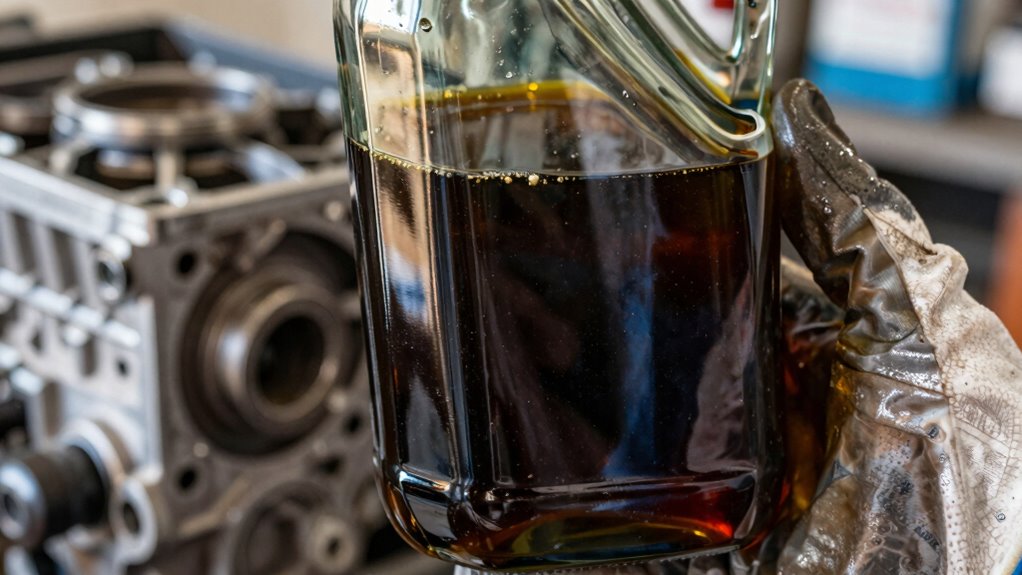
To determine if your diesel oil is safe for your gas engine, start by checking the oil’s label and specifications. Look for clear markings indicating whether it’s suitable for gasoline engines. Many oils are labeled as “for diesel engines” or “heavy-duty,” which may not be ideal for gas engines. Check the API (American Petroleum Institute) service classification; oils rated for gasoline engines typically have a “S” (service) designation, like SN or SP. Avoid oils labeled only for diesel use, as they may contain additives that aren’t compatible with gas engines. If you’re unsure, consult your vehicle’s owner manual or contact the manufacturer. Using the correct oil guarantees your engine runs smoothly and prevents potential damage caused by incompatible additives. Additionally, understanding electric bike power can help you choose the right type of motor and oil if you’re modifying or maintaining an electric or hybrid vehicle. Being aware of oil compatibility is also crucial to prevent engine issues related to improper lubrication. For optimal engine health, it’s important to use oils formulated specifically for your engine type, as engine oil differences can significantly impact performance. Moreover, considering energetic alignment in your maintenance routine can promote better performance and longevity of your engine components.
When Is It Okay to Use Diesel Oil in Your Gas Vehicle?
You can safely use diesel oil in your gas vehicle only under specific circumstances, such as during oil emergencies or when the manufacturer explicitly approves it. If you’re out of your regular gasoline engine oil and need to top off quickly, diesel oil might be a temporary solution. However, check your vehicle’s manual first—some manufacturers may warn against it. Using diesel oil is generally acceptable if your vehicle is older or has a compatible engine design that can handle it without issues. Always avoid making this a regular practice, as diesel oil’s different formulation can affect engine performance and longevity if used long-term. Be aware that Free Floating conditions can influence the suitability of using alternative oils. When in doubt, consult your vehicle’s manufacturer or a trusted mechanic before using diesel oil in your gas engine.
What Are the Benefits and Risks of Using Diesel Oil in Gas Engines?
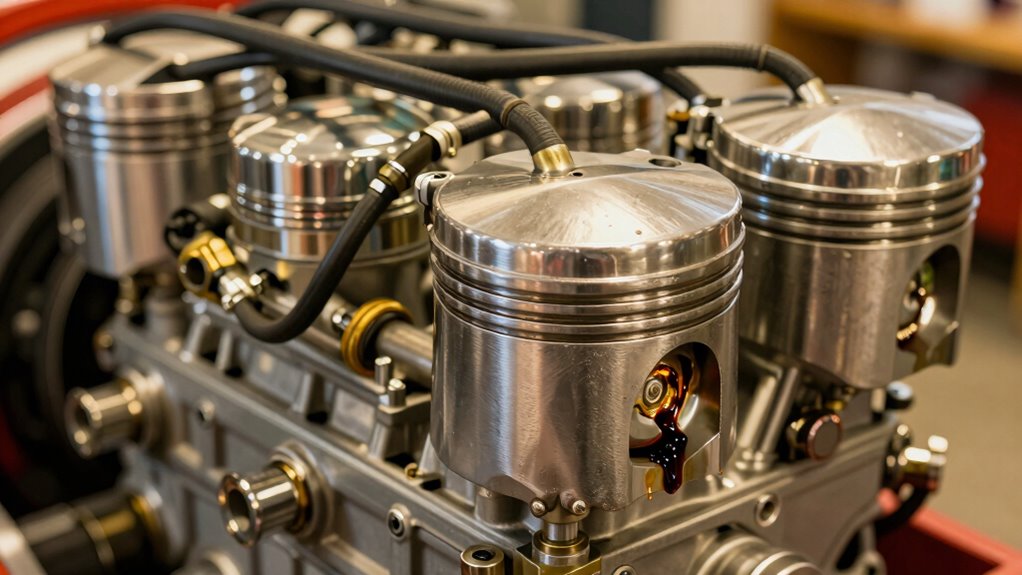
Using diesel oil in your gas engine can improve lubrication and reduce friction, but it may also cause compatibility issues with certain engine parts. You might notice changes in engine performance, such as smoother operation or, conversely, potential misfires. It’s important to weigh these benefits and risks carefully before making the switch. Additionally, understanding dark psychology tactics can help you recognize and prevent manipulation attempts related to vehicle maintenance or false information. Being aware of engine material compatibility is essential to avoid damaging components and ensure optimal functioning. Proper knowledge of auditory processing can also help in understanding how engine sounds may change with different oils, aiding in early detection of issues. Moreover, recognizing signs of engine trouble can help you address problems promptly before serious damage occurs. Being informed about oil types and specifications can further guide you toward making the safest choice for your engine’s longevity.
Lubrication Compatibility Concerns
While diesel oil is designed for heavy-duty engines, it can sometimes be considered for use in gas engines, raising important lubrication compatibility concerns. Using the wrong oil can lead to reduced engine protection and potential damage. To understand these risks and benefits, consider:
- Additive Compatibility – Diesel oils contain additives that might not suit gas engine components, leading to accelerated wear. Additive composition plays a significant role in how well the oil interacts with different engine types. Using incompatible additives can impair engine performance and longevity. Additionally, incompatible additives can cause chemical reactions that degrade engine parts over time.
- Viscosity Differences – Diesel oils are often thicker, which may hinder proper lubrication at low temperatures or cause increased engine strain.
- Deposit Formation – Certain additives in diesel oil can promote sludge buildup, impacting engine cleanliness.
- Seal Compatibility – Diesel oils may affect seals differently, risking leaks or seal degradation over time.
- Water-Related Issues – Since diesel oils are sometimes used in water-related environments like hydrotherapy, they may introduce challenges related to moisture and corrosion in gas engines. Additionally, the presence of water in diesel oil can exacerbate corrosion issues within the engine components.
Engine Performance Impacts
Although diesel oil isn’t specifically formulated for gas engines, its use can impact engine performance in both positive and negative ways. On the plus side, diesel oil often has higher viscosity and added detergents, which can improve wear protection and keep engine parts cleaner. This might lead to smoother operation and potentially extend engine life. However, risks exist, such as reduced fuel efficiency and increased engine deposits, because diesel oils are designed for different combustion processes. Using diesel oil in a gas engine may also cause improper lubrication, leading to increased wear or knocking. Overall, while there could be some benefits, the potential for negative effects makes it risky unless your engine manufacturer explicitly approves this practice.
What Do Experts Say About Using Diesel Oil in Gas Engines?
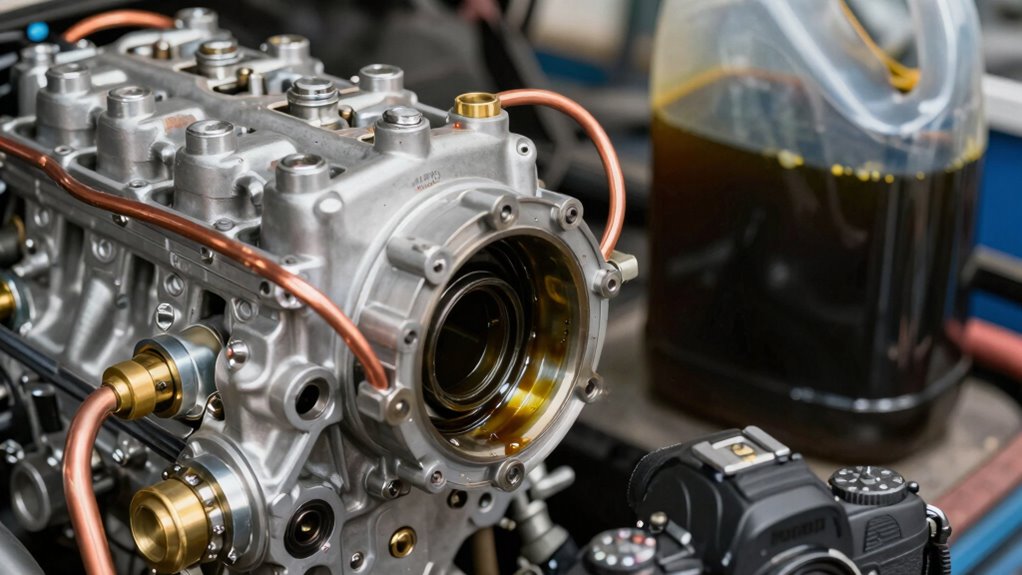
Have experts weighed in on whether diesel oil is suitable for gas engines? Generally, they advise caution. Most agree that using diesel oil in a gas engine isn’t recommended unless specified by the manufacturer. Here are key points experts emphasize:
- Compatibility issues can cause engine wear or damage over time.
- Diesel oil’s additives may not suit the lubrication needs of gas engines.
- Using the wrong oil can impact fuel efficiency and emissions.
- Always consult your engine’s manual before switching oils or additives.
- Proper maintenance practices are essential for ensuring engine longevity and performance.
Experts stress that sticking to the recommended oil type guarantees excellent performance and longevity. If you’re considering using diesel oil, verify with a professional or your engine’s manufacturer to avoid costly mistakes.
Frequently Asked Questions
Can Using Diesel Oil Void My Gas Engine’s Warranty?
Yes, using diesel oil can void your gas engine’s warranty if it’s not recommended by the manufacturer. You need to check your owner’s manual first. If diesel oil isn’t approved, using it could be considered improper maintenance, which might lead to warranty denial. Always follow the manufacturer’s guidelines for oil types to keep your warranty intact and ensure your engine runs smoothly.
How Often Should I Change Diesel Oil in a Gas Engine?
Picture your engine as a picky eater at a fancy dinner—would you serve it diesel oil every week? Probably not. You should change your gas engine’s oil every 3,000 to 5,000 miles, or as recommended by your vehicle’s manual. Regular oil changes keep your engine happy and running smoothly, preventing costly repairs. So, stay consistent, and your engine will thank you with reliable performance.
Are There Specific Brands of Diesel Oil Safe for Gas Engines?
Yes, there are specific brands of diesel oil that are safe for gas engines. Look for oils labeled as multi-grade or universal, which meet API SN or SP service classifications. These oils are formulated to work in both diesel and gasoline engines, ensuring proper lubrication and protection. Always check your vehicle’s owner manual to confirm compatibility, and choose reputable brands known for quality and engine safety.
Does Using Diesel Oil Affect My Vehicle’s Emissions?
Using diesel oil in your gas engine can increase emissions because diesel lubricants contain additives that produce more soot and particulate matter when burned. This can lead to higher pollutant levels and potentially cause your vehicle to fail emissions tests. To keep emissions low and guarantee proper engine performance, stick with the oil recommended by your vehicle’s manufacturer. Using the correct oil helps maintain efficiency and keeps emissions within legal limits.
What Are the Long-Term Effects of Mixing Diesel Oil With Gas Engine Oil?
Mixing diesel oil with gas engine oil can cause long-term issues like increased engine wear, sludge buildup, and oil breakdown. You might notice reduced lubrication, leading to potential engine damage over time. This mixture can also compromise oil performance, making your engine less efficient. To avoid these problems, always use the recommended oil type for your engine and stick to proper oil changes, ensuring longevity and ideal performance.
Conclusion
Think of your engine as a delicate garden—each type of oil is a unique seed. Using diesel oil in a gas engine without checking the key detail can be like planting the wrong seed in the wrong soil. When you pay attention to that one essential factor, you nurture your engine’s health and longevity. Stay vigilant, and your engine will flourish, symbolizing a well-tended garden that blooms with reliability and performance.