
TL;DR
Electric buses introduced in Chennai have led to a 22% reduction in particulate matter and noise pollution over five years. This development highlights India’s move towards cleaner urban mobility, though some details remain under study.
Chennai’s adoption of electric buses has led to a 22% decrease in particulate matter and noise pollution over the past five years, according to recent reports. The shift to electric public transport is part of India’s broader efforts to reduce urban air pollution and noise levels, making this a significant environmental milestone for the city and the country.

Get business pricing on garage and car supplies
- Business-only prices and quantity discounts
- Tax-exempt purchasing
- Multiple users, one account, clear invoices
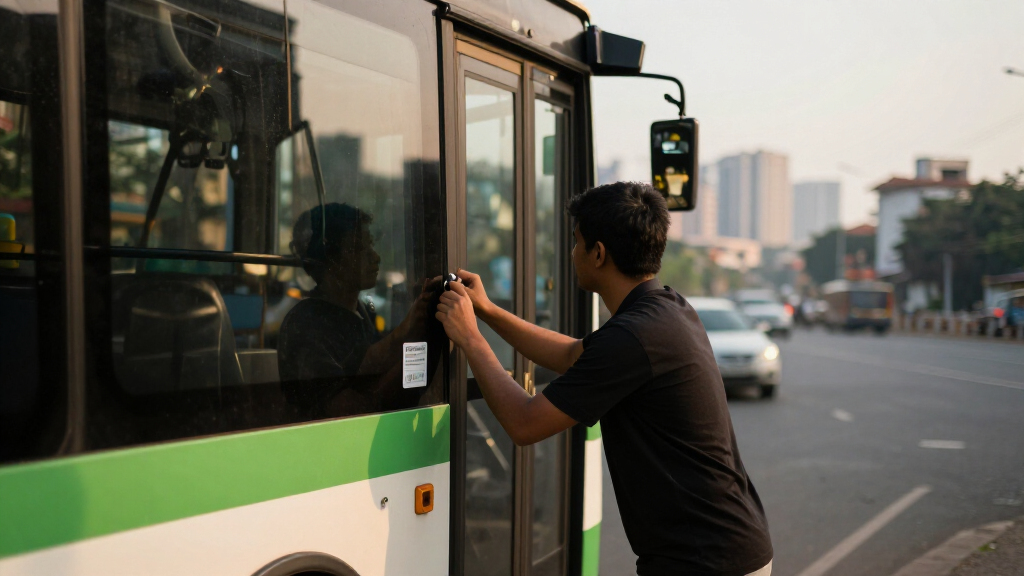
Since their introduction, over 1,000 electric buses have been operational across Chennai’s public transport network, replacing older diesel-powered vehicles. Data from environmental assessments indicate a 22% reduction in particulate matter (PM2.5 and PM10) and noise pollution levels in the city, measured over five years.
Officials from Chennai Metropolitan Transport Corporation (CMTC) confirmed that the electric buses have contributed to improved air quality and a quieter urban environment. The buses are part of India’s national push for electric mobility, supported by government incentives and investments in charging infrastructure.
Experts note that the reduction in smoke and noise not only benefits the environment but also improves public health and quality of life for residents. The initiative aligns with India’s commitments under the Paris Agreement to cut emissions and transition to sustainable transport solutions.
Environmental and Public Health Benefits of Electric Buses in Chennai
The 22% reduction in particulate matter and noise pollution signifies a meaningful step toward cleaner cities in India. These improvements can reduce respiratory and cardiovascular health issues among residents, especially vulnerable groups like children and the elderly. The success in Chennai could serve as a model for other Indian cities seeking sustainable urban transport solutions, potentially accelerating national adoption of electric vehicles.
Products Worth Considering

Autel Level 2 Home Smart EV Charger with NACS Connector, 50 A, 240 V, 25-Foot Cable

Autel MaxiCharger AC Home Level 2 EV Charger, 50A, J1772, Wi-Fi, Hardwired, 25 ft Cable

Autel MaxiCharger Level 2 EV Charger, 40A, 240V, 25-Foot Cable, NEMA 14-50 Plug
As an affiliate, we earn on qualifying purchases.
India’s Shift Toward Electric Public Transport Since 2018
India has been gradually increasing its investment in electric mobility, with the government launching incentives and policies to promote EV adoption since 2018. Chennai’s move to electrify its bus fleet is part of this national trend, which aims to replace aging diesel buses with cleaner alternatives. Over the past five years, several Indian cities have reported improvements in air quality following EV deployment, though comprehensive data is still emerging.
Prior to this initiative, Chennai relied heavily on diesel-powered buses, which contributed significantly to urban air pollution. The city’s electric bus program was scaled up with support from central government schemes and private sector partnerships, aiming to reduce emissions and noise pollution.
“A 22% reduction in particulate matter and noise pollution over five years is a promising indicator of the potential for electric mobility to transform urban environments in India.”
— Environmental researcher Dr. Anjali Patel
Unconfirmed Aspects of Long-Term Impact and Data Scope
While initial data indicates a 22% reduction in pollution, it is not yet clear whether these improvements are solely attributable to electric buses or influenced by other factors such as stricter emissions regulations or weather patterns. Ongoing monitoring and independent studies are needed to confirm the long-term environmental benefits and assess the full impact of the transition.
Future Plans for EV Expansion and Monitoring in Chennai
Chennai plans to expand its EV bus fleet further, aiming for complete electrification of its public transport network within the next decade. Authorities will continue environmental monitoring to evaluate sustained benefits and identify areas for improvement. Additionally, efforts are underway to enhance charging infrastructure and promote EV adoption among other sectors.
Key Questions
How many electric buses are currently operating in Chennai?
Over 1,000 electric buses are currently part of Chennai’s public transport fleet, representing a significant portion of the city’s bus network.
What specific environmental improvements have been observed?
Reports indicate a 22% reduction in particulate matter (PM2.5 and PM10) and noise pollution levels over five years, leading to cleaner air and a quieter city environment.
Are these benefits solely due to electric buses?
While electric buses are a major factor, other initiatives and regulations may also contribute to improvements. Further studies are needed to isolate the impact of EVs alone.
What challenges remain for expanding electric mobility in Chennai?
Challenges include infrastructure development, high initial costs, and ensuring the sustainability of the supply chain for EV components.
When will Chennai fully electrify its public transport fleet?
The city aims for complete electrification within the next decade, with ongoing expansion plans and investments in infrastructure.
Source: local