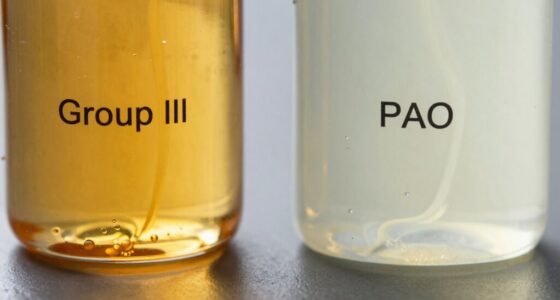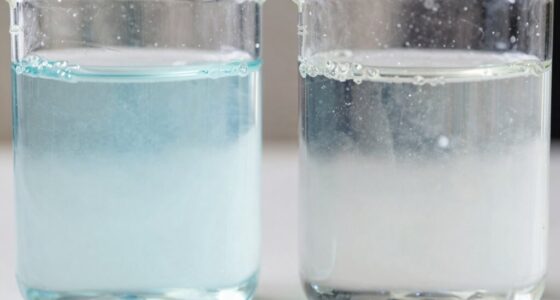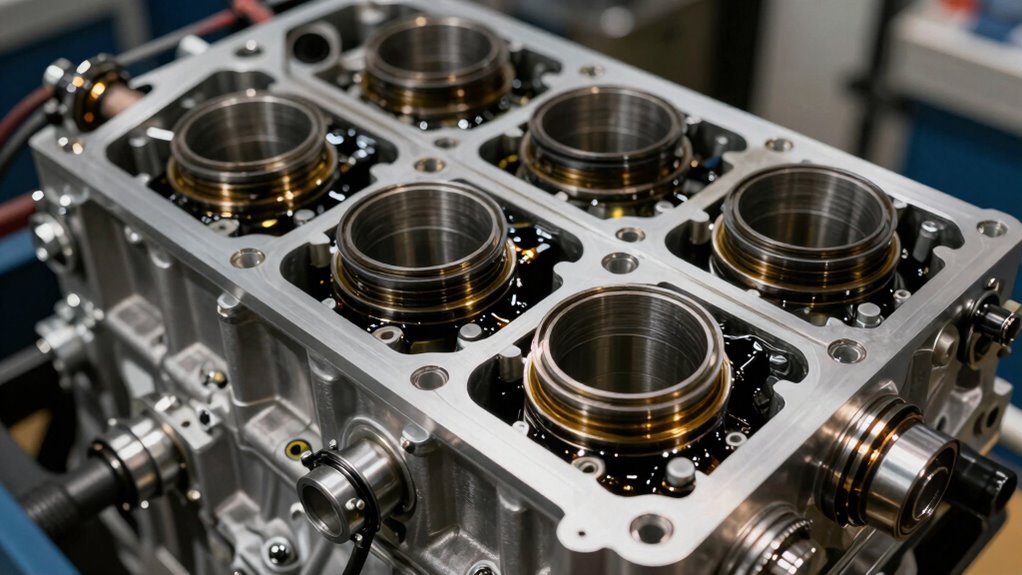

If your engine eats oil, it could be due to several factors like worn piston rings or valve seals that allow oil to enter the combustion chamber, or issues with the PCV system that causes pressure buildup and oil leaks. Engine volatility also plays a role; hotter, turbocharged engines burn more oil due to vaporization. Understanding these causes helps you spot potential problems early—stay with us to uncover how each factor impacts your engine’s health.

Get business pricing on garage and car supplies
- Business-only prices and quantity discounts
- Tax-exempt purchasing
- Multiple users, one account, clear invoices
Key Takeaways
- Worn piston rings or valve seals allow oil to leak into the combustion chamber, increasing oil consumption.
- Engine volatility, especially in turbocharged or high-temperature engines, causes more oil vaporization and burning.
- A faulty or clogged PCV system can’t properly vent oil vapors, leading to pressure buildup and oil loss.
- Excessive oil burning can be a sign of internal component wear, such as piston rings or seals, rather than volatility alone.
- The interaction between engine design, oil volatility, and PCV system health determines how much oil an engine consumes.
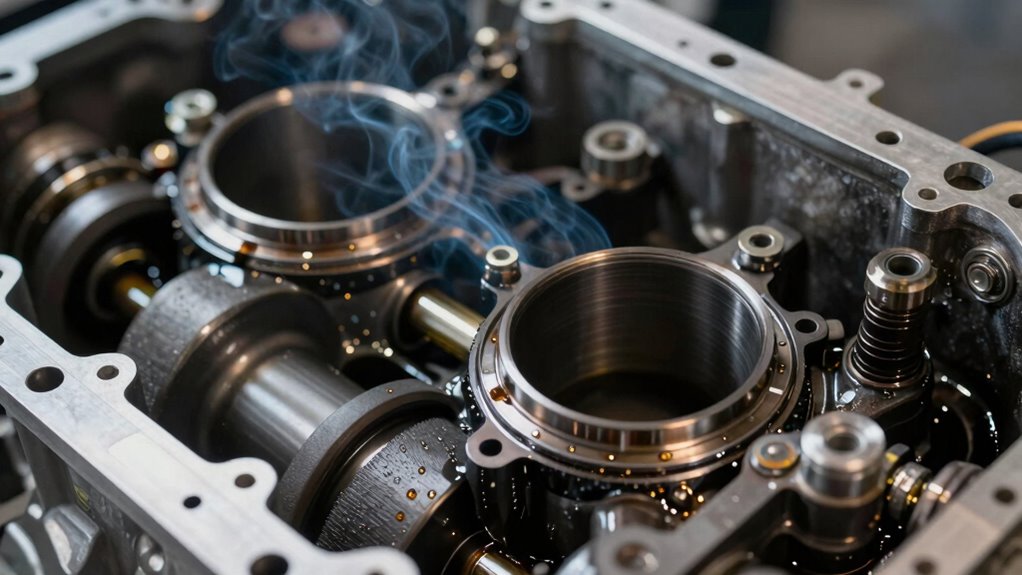
Engines that use oil are designed to burn a small amount of engine oil along with fuel, which helps keep internal components lubricated and functioning smoothly. However, if you notice your vehicle consuming more oil than usual, it can be a sign of underlying issues that might accelerate engine wear over time. Excessive oil consumption isn’t just inconvenient; it can indicate problems like worn piston rings, valve seals, or other internal components. When these parts wear out, oil can bypass seals or enter combustion chambers more easily, leading to increased oil burn and potential engine damage if left unaddressed.
Excessive oil consumption signals potential engine wear like worn piston rings and valve seals.
One of the main reasons behind increased oil consumption is the condition of your piston rings. These rings form a tight seal between the piston and cylinder wall, preventing oil from slipping into the combustion chamber. Over time, piston rings can become worn or sticky, especially if you operate your engine under high stress or neglect regular maintenance. When rings lose their sealing ability, oil can leak into the combustion chamber and burn along with fuel. This not only causes higher oil consumption but also contributes to faster engine wear, as the oil burns away prematurely and fails to adequately lubricate crucial components.
Another factor that influences oil consumption is the engine’s volatility — fundamentally, how easily it burns fuel and oil under different conditions. Some engines are more prone to oil burning because of their design or manufacturing tolerances. For example, certain turbocharged engines tend to run hotter, which can increase oil vaporization and lead to higher oil consumption. When oil vaporizes and burns in the combustion chamber, it accelerates engine wear by depositing residues on valves and piston rings, impairing proper function and sealing. This process can create a cycle where increased volatility causes more oil to burn, further damaging internal parts.
The Positive Crankcase Ventilation (PCV) system plays a critical role in managing oil vapors and preventing excessive oil consumption. If the PCV valve becomes clogged or faulty, it can cause pressure buildup inside the engine, forcing oil past seals and into the intake system. This results in increased oil consumption and potential buildup of sludge that accelerates engine wear. Regularly inspecting and replacing the PCV valve can help mitigate these issues, keeping oil consumption in check and protecting your engine from unnecessary wear.
engine oil consumption repair kit
As an affiliate, we earn on qualifying purchases.
As an affiliate, we earn on qualifying purchases.
Frequently Asked Questions
Can Synthetic Oils Reduce Oil Consumption in Engines?
Yes, synthetic oils can reduce your engine’s oil consumption. They contain advanced oil additives that improve lubrication and help seal tiny leaks, reducing oil burn-off. Plus, synthetics maintain better viscosity over time, which enhances engine sealing and minimizes oil loss. Using synthetic oil regularly can keep your engine cleaner and more efficient, ultimately lowering the amount of oil you need to top off between oil changes.
How Does Engine Age Affect Oil Consumption?
As your engine ages, it naturally experiences wear that can lead to increased oil consumption. Over time, engine components like piston rings may become less effective, and oil leaks can develop, both contributing to higher oil use. You might notice your vehicle needing more frequent top-offs. Regular maintenance helps, but understanding that aging engines often need extra attention can keep your ride running smoothly longer.
Are High-Mileage Engines More Prone to Burning Oil?
Yes, high-mileage engines are more prone to burning oil because engine wear, especially on piston rings, tends to increase over time. As piston rings wear down, they can’t seal the combustion chamber effectively, allowing oil to pass into the cylinders and burn. This degradation makes oil consumption more common in older, high-mileage engines, so you might notice more frequent oil top-offs or smoke from the exhaust.
Does Driving Style Influence Oil Consumption Rates?
Your driving style definitely influences oil consumption. Aggressive driving habits, like sudden acceleration and hard braking, cause higher engine temperatures and increased wear, which can lead to faster oil burn. Even if you think your driving isn’t intense, frequent short trips don’t give the engine enough time to warm up, affecting oil efficiency. So, smooth driving and longer trips can help reduce oil consumption and keep your engine healthier.
Can Using Thicker Oil Prevent Oil Burning?
Using thicker oil can sometimes prevent oil burning because higher viscosity improves sealing effectiveness in engine components. When the oil is too thin, it may leak past piston rings or valve seals, causing consumption. However, it is crucial to choose the right viscosity for your engine, as excessively thick oil can hinder performance and flow. Always follow the manufacturer’s recommendations to balance sealing and engine efficiency.
As an affiliate, we earn on qualifying purchases.
Conclusion
So, next time your engine seems to gulp down oil like a thirsty traveler in a desert, remember—it’s not always about bad rings or a faulty PCV. Sometimes, it’s just the universe’s way of reminding you that even machines have their quirks. Ironically, what eats your oil might just be trying to keep your engine’s story interesting. After all, who knew that a little volatility could turn your car into a true oil-eating beast?
As an affiliate, we earn on qualifying purchases.
high temperature turbo engine oil additive
As an affiliate, we earn on qualifying purchases.
As an affiliate, we earn on qualifying purchases.
Fall Picks
fall essentials
As an affiliate, we earn on qualifying purchases.