
You can use automotive oil in your four-stroke small engine when you choose the right viscosity, like SAE 30 or 10W-30, suitable for your climate. Make sure to verify your engine manual to confirm compatibility. Using the correct oil helps your engine run smoothly, reduces wear, and prevents starting issues. To guarantee the best performance, pay attention to oil quality and storage tips—keep exploring for more insights.

Get business pricing on garage and car supplies
- Business-only prices and quantity discounts
- Tax-exempt purchasing
- Multiple users, one account, clear invoices
Key Takeaways
- Automotive oils with correct viscosity ratings like SAE 30 or 10W-30 are generally suitable for four-stroke small engines.
- Always verify engine manual recommendations to confirm compatibility before using automotive oil.
- Standard motor oils that meet API or SAE standards can be safely used in small engines if viscosity matches.
- Using automotive oil with proper viscosity ensures optimal lubrication and reduces engine wear.
- Regularly check and replace oil to maintain engine performance and longevity when using automotive-grade oils.
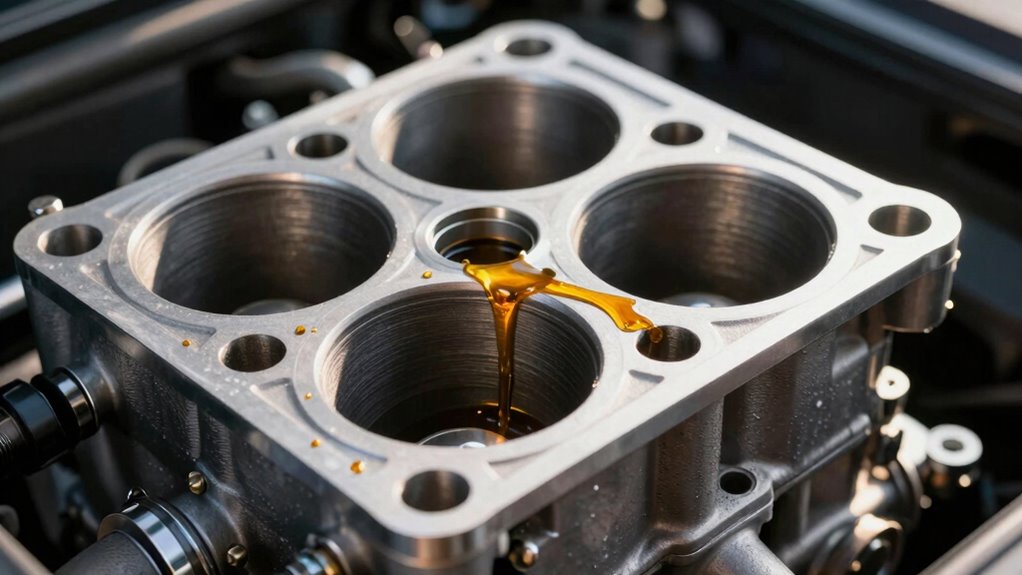
Four-stroke small engines are widely used in lawnmowers, generators, and other portable machinery because of their efficiency and durability. When it comes to maintaining these engines, understanding the role of oil viscosity and fuel mixture is essential for peak performance. Unlike two-stroke engines, which require a pre-mixed fuel and oil, four-stroke engines have separate lubrication systems, making the choice of oil even more significant. You might wonder if automotive oil is suitable for your small engine. The good news is, in many cases, it is, especially if the oil meets the right viscosity specifications.
Oil viscosity refers to how thick or thin the oil is at certain temperatures, influencing how well it lubricates engine parts. For small four-stroke engines, manufacturers typically recommend a specific viscosity rating, like SAE 30 or 10W-30. If you use oil with the correct viscosity, the engine lubricates smoothly, reducing wear and tear, especially in varying weather conditions. Automotive oils often match these viscosity ranges, which means you can often use standard motor oil from your vehicle supply without issue. However, it’s essential to check the engine manual to confirm that the oil’s viscosity meets the manufacturer’s recommendations. Using oil that’s too thick can hinder engine start-up and increase fuel consumption, while oil that’s too thin may fail to provide adequate lubrication, leading to premature engine wear.
Fuel mixture plays a different but equally important role in small engine health. While four-stroke engines operate with separate oil and fuel, the quality of your fuel mixture still impacts performance. You should always use fresh, clean fuel, and if you’re using fuel with ethanol, make sure it’s ethanol-free or has a proper stabilizer. Ethanol-blended fuels can cause issues like fuel separation and corrosion if left sitting for long periods, which can impact engine operation. Also, avoid using fuel that’s been stored for too long, as stale fuel can cause starting problems and poor running.
As an affiliate, we earn on qualifying purchases.
Frequently Asked Questions
Can I Switch to Synthetic Oil for My Small Engine?
Yes, you can switch to synthetic oil for your small engine if it’s compatible. Synthetic oils offer better synthetic compatibility, ensuring proper engine lubrication. They also provide increased oil longevity, meaning you’ll change it less often. Just double-check your engine’s manual for specific recommendations. Using synthetic oil can improve performance, reduce wear, and extend your engine’s life, making it a smart upgrade for many small engine applications.
How Often Should I Change the Engine Oil?
You should change your engine oil every 25-50 hours of use or at least once a season. When changing oil, remember to replace the oil filter to guarantee clean oil circulation. If your engine has accumulated dirt and grime, consider doing an engine flush before adding fresh oil. Regular oil changes keep your small engine running smoothly, extend its lifespan, and prevent costly repairs.
Is It Necessary to Use Oil Additives?
Did you know that only about 10% of engine wear happens during normal operation? You don’t always need oil additives, as regular oil provides good engine protection. However, if your engine faces harsh conditions or high mileage, additives can help reduce wear and keep it running smoothly. Use them sparingly and follow manufacturer recommendations to make certain they truly enhance your engine’s protection without causing harm.
What Signs Indicate Oil-Related Engine Issues?
You’ll notice oil-related engine issues if you see signs like oil contamination, where dirty or gritty oil signals trouble, or if oil viscosity isn’t right—thinner or thicker oil can cause poor lubrication. Other signs include engine knocking, increased smoke, or a burning smell. Regularly check your oil level and condition to catch these problems early, ensuring your engine runs smoothly and avoids costly repairs.
Can I Use Car Oil Straight From the Bottle?
You can use car oil straight from the bottle if it’s compatible with your small engine’s specifications. Check the oil’s viscosity and make certain it meets your engine’s lubrication requirements, usually specified in the owner’s manual. Using the right oil ensures proper engine lubrication, prevents wear, and maintains performance. Avoid using oils that aren’t designed for small engines, as they might not provide adequate protection or could cause damage over time.
10W-30 automotive motor oil for small engines
As an affiliate, we earn on qualifying purchases.
As an affiliate, we earn on qualifying purchases.
Conclusion
In brief, using automotive oil in four-stroke small engines can be perfectly fine if you choose the right type. Did you know that about 70% of engine failures are caused by improper lubrication? By understanding your engine’s needs and selecting the correct oil, you can extend its lifespan and avoid costly repairs. So, next time you’re at the store, remember that automotive oil might be just what your small engine needs to keep running smoothly.
small engine oil filter replacement
As an affiliate, we earn on qualifying purchases.
As an affiliate, we earn on qualifying purchases.
As an affiliate, we earn on qualifying purchases.
Fall Picks
fall essentials
As an affiliate, we earn on qualifying purchases.