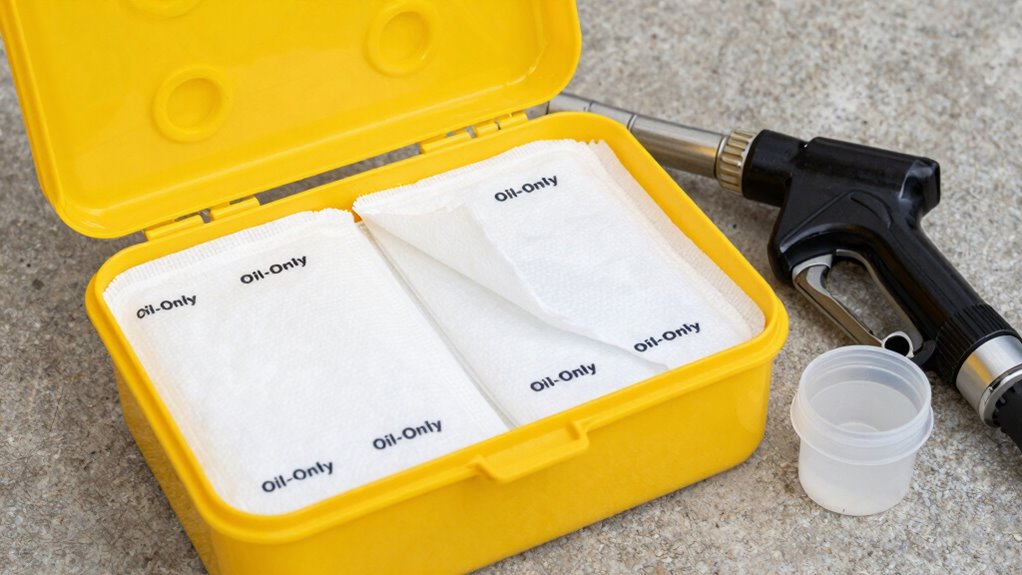
An oil-only spill kit is designed to absorb hydrocarbons like oil while resisting water, so it solely targets oil and leaves water behind. These kits use special materials like polypropylene fibers that repel water and trap oil effectively. They’re ideal for spills on water or damp surfaces where water absorption must be avoided. To learn more about how these kits work and their best uses, keep exploring how they help protect the environment and ensure safe cleanup.

Get business pricing on garage and car supplies
- Business-only prices and quantity discounts
- Tax-exempt purchasing
- Multiple users, one account, clear invoices
Key Takeaways
- Oil-only spill kits are designed to absorb hydrocarbons while resisting water, preventing water absorption during cleanup.
- They use hydrophobic materials like polypropylene fibers that repel water and selectively trap oil.
- These kits are ideal for spills on water surfaces or wet environments, minimizing environmental contamination.
- Unlike universal kits, oil-only kits do not absorb water or chemicals, focusing solely on oil spill response.
- Proper handling and disposal of saturated materials are essential to prevent environmental impact and ensure safety.
As an affiliate, we earn on qualifying purchases.
What Does ‘Oil-Only’ Mean in Spill Response?
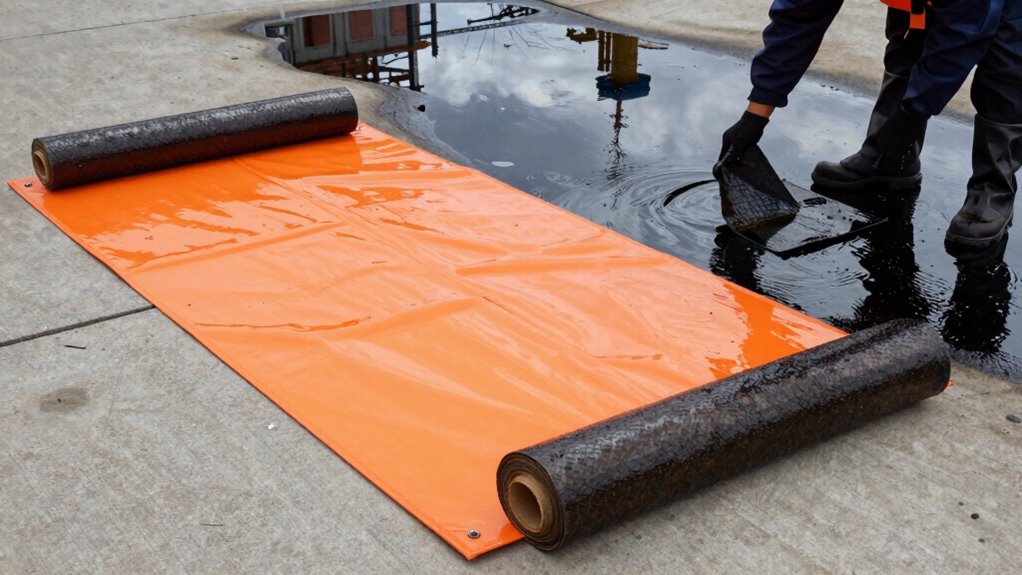
Have you ever wondered what “oil-only” means in spill response? It refers to spill kits designed specifically to absorb oil while resisting water and other chemicals. These kits contain materials with high chemical compatibility, ensuring they don’t break down or react when in contact with oil. Using oil-only spill kits helps minimize environmental impact by preventing oil from spreading further into waterways, soil, or ecosystems. They are essential for situations where you need to contain and clean up oil spills efficiently without harming the environment. Because they target oil specifically, these kits reduce the risk of releasing other substances or contaminants, making cleanup safer for wildlife and ecosystems. In essence, “oil-only” spill kits are crucial tools for responsible spill management. Chemical compatibility is vital in selecting the right spill response materials to prevent reactions and ensure durability.
hydrophobic oil spill absorbent pads
As an affiliate, we earn on qualifying purchases.
As an affiliate, we earn on qualifying purchases.
How Do Oil-Only Spill Kits Absorb Oil Selectively?

Ever wonder how oil-only spill kits can target oil while ignoring water? They do this through specialized absorbent materials that exploit differences in chemical properties. Here’s how:
- Selective Absorption: These materials are hydrophobic, meaning they repel water but attract oil, reducing environmental impact.
- Material Composition: They often contain polypropylene fibers that trap oil while letting water pass through.
- Surface Tension: The surface tension of oil allows it to cling to the absorbent, leaving water behind.
- Disposal Procedures: Proper disposal involves sealing the saturated materials to prevent environmental contamination, minimizing ecological impact.
- Technology Impact: advancements in absorbent material technology continue to improve the efficiency and selectivity of oil-only spill kits. Additionally, ongoing research into hydrophobic coatings aims to enhance their effectiveness further. The development of eco-friendly materials is also helping to address the environmental concerns associated with spill cleanup. Moreover, innovations in material durability are making these kits more reliable in challenging spill conditions. This ongoing innovation helps address challenges like spill size and environmental conditions, making cleanup safer and more effective.
This selectivity not only makes cleanup more efficient but also ensures responsible disposal, reducing the environmental impact of spill response.
As an affiliate, we earn on qualifying purchases.
What Materials Are Used in Oil-Only Absorbents?
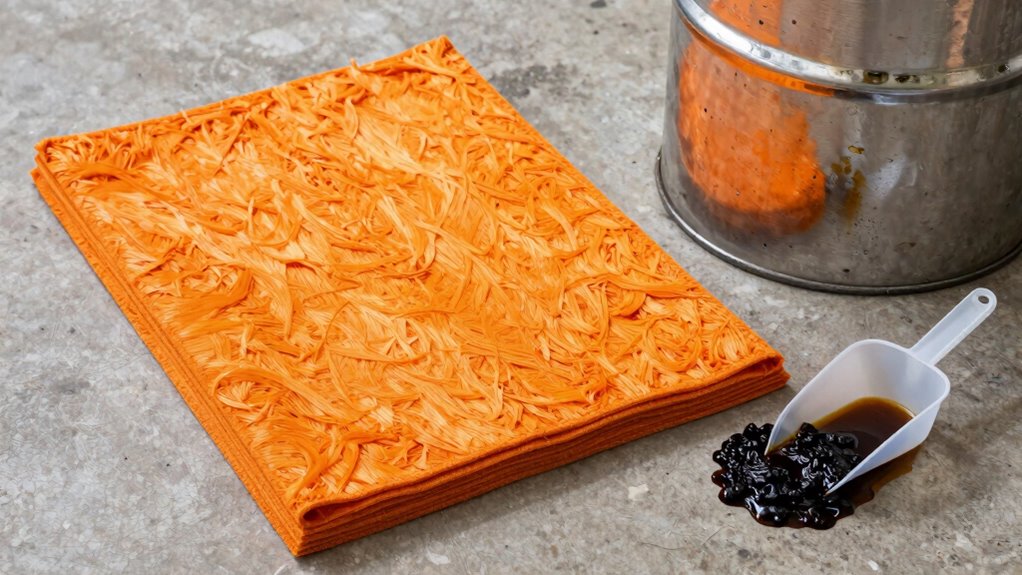
Oil-only absorbents are made from specialized materials designed to target oil spills effectively. You’ll find various absorbent types, each with unique features to suit different spill scenarios. Understanding these materials helps you choose the right kit for your needs. Proper maintenance of spill kits, such as ensuring they are compatible with your specific environment and stored correctly, can improve their longevity and effectiveness. Regular inspection and understanding the materials used in absorbents can also prevent deterioration over time. Additionally, selecting appropriate storage conditions ensures the absorbents remain effective and ready for use when needed. Being aware of the composition of absorbent materials can further optimize spill response strategies. For example, some materials are designed to be hydrophobic, repelling water and focusing absorption on oil only.
Material Composition Overview
Oil-only absorbents are typically made from materials that selectively attract and hold oil while repelling water. These materials are chosen to meet environmental regulations and guarantee chemical resistance, making them effective in various spill scenarios. The core components often include:
- Polypropylene fibers, valued for their water-repelling properties and durability.
- Specialized sorbent mats or pads that enhance absorbency and ease of handling.
- Chemical-resistant coatings to prevent degradation upon contact with oils and chemicals.
- Support fabrics that provide strength and stability during use. Additionally, the materials used are often designed to be environmentally friendly, minimizing ecological impact during disposal and cleanup. These materials are designed to ensure superior performance, environmental compliance, and safety during spill response. Understanding the composition helps you select the right product for different spill circumstances, ensuring efficient cleanup without compromising environmental standards. Material composition plays a crucial role in the effectiveness of oil-only absorbents. Incorporating advanced manufacturing techniques can further improve the durability and efficiency of these absorbents. Many manufacturers also focus on eco-conscious designs to reduce environmental footprint further, often utilizing sustainable materials and innovative production processes to promote eco-friendliness.
Absorbent Types and Features
To effectively contain and clean up oil spills, the materials used in oil-only absorbents are indispensable. These absorbents typically feature polypropylene fibers, which have chemical properties that repel water while attracting and holding oil. This selective absorption minimizes environmental impact by preventing water contamination and reducing waste. The fibers’ chemical properties also ensure they don’t disintegrate or release harmful substances into the environment. Some oil-only absorbents include specialized pads, booms, or rolls designed to maximize oil absorption while resisting moisture. Their lightweight nature allows for easy deployment and disposal. polypropylene fibers are particularly valued for their durability and effectiveness in spill response. Additionally, choosing absorbents with environmentally friendly materials can further reduce ecological harm. The effectiveness of oil-only absorbents depends heavily on their material composition, which determines their absorption capacity and environmental safety. Overall, choosing absorbents with the right chemical properties helps contain spills effectively while considering environmental impact, making them a crucial part of spill response efforts.
water-resistant oil spill absorbent
As an affiliate, we earn on qualifying purchases.
As an affiliate, we earn on qualifying purchases.
Oil-Only vs. Universal Spill Kits: What’s the Difference?
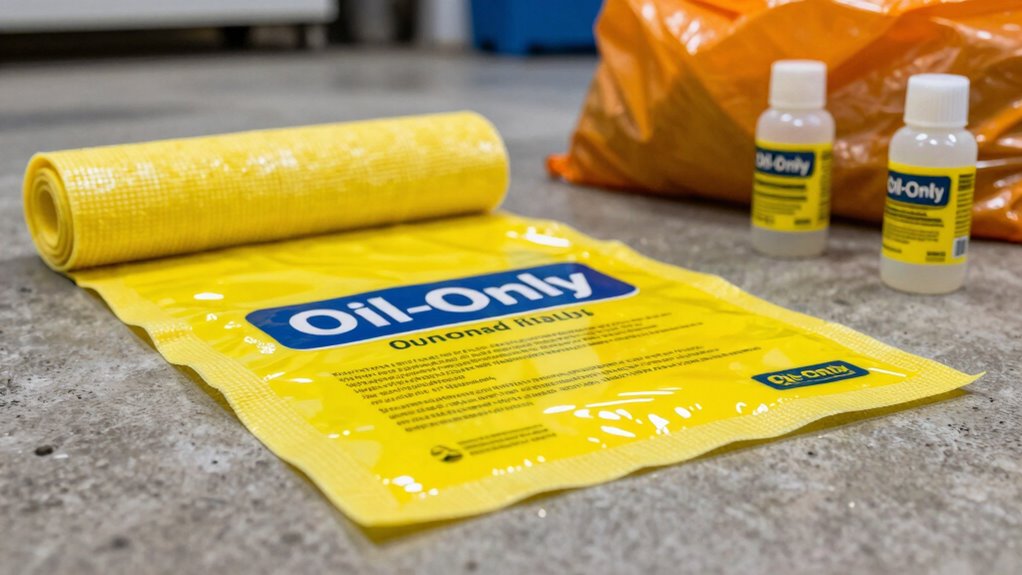
Oil-only and universal spill kits use different materials, affecting how they absorb liquids and what they can handle. You’ll notice variations in absorption capabilities, making each suited for specific spill scenarios. Understanding these differences helps you choose the right kit for your needs. For example, absorption performance varies depending on the kit type, ensuring effective cleanup for different kinds of spills. Additionally, the materials used in each kit determine their effectiveness against various types of contaminants and surfaces.
Material Composition Differences
Understanding the material differences between oil-only and universal spill kits is essential for choosing the right solution for your needs. Oil-only kits use synthetic fibers combined with chemical binders to selectively absorb hydrocarbons while repelling water. Universal kits, on the other hand, contain a mix of materials designed to absorb a broad range of liquids, including water, chemicals, and oils.
Key differences include:
- Oil-only pads feature specialized synthetic fibers with chemical binders that target oil absorption.
- Universal pads use a blend of fibers that absorb both water and oils.
- The material in oil-only kits resists water, preventing saturation with moisture.
- Universal kits are typically more versatile but less selective, often absorbing unwanted liquids.
- The selectivity of oil-only kits makes them particularly suitable for oil spill cleanup in environments where water contamination must be avoided.
- Understanding material composition helps users determine the most effective spill response for specific scenarios.
- Recognizing the absorption capabilities of each kit type ensures appropriate and efficient spill management.
Absorption Capabilities Variance
When comparing absorption capabilities, it’s clear that oil-only and universal spill kits serve different functions based on their design. Oil-only kits primarily use synthetic fibers that repel water while absorbing oil and hydrocarbons, making them ideal for oil spills on water or damp surfaces. Their chemical absorption properties target oil-based substances specifically, preventing water from soaking in. Conversely, universal spill kits contain absorbents capable of handling a broader range of liquids, including water, chemicals, and oils. These often include materials with versatile absorption capabilities, but they may not be as effective at selectively absorbing oil without water contamination. Absorption selectivity plays a key role in determining which spill kit is most appropriate for a specific situation. Additionally, understanding the chemical compatibility of absorbents can prevent further spreading or reactions during cleanup, emphasizing the importance of selecting the right kit for your spill scenario.
Ideal Spill Scenarios
Choosing the right spill kit depends on the specific situation you’re facing. For ideal scenarios, consider the chemical properties of the oil and potential environmental impacts. Oil-only spill kits excel in environments with water, as they target oil without absorbing water or chemicals. Use them when dealing with floating petroleum products in outdoor or aquatic settings. Conversely, universal spill kits are better suited for mixed chemical spills or environments where multiple substances are involved.
- Oil-only kits work best for oil spills on water surfaces, minimizing water absorption.
- Universal kits handle chemical spills with diverse properties, including acids or solvents.
- Environmental impacts dictate kit choice—oil-only minimizes water contamination.
- Chemical properties, like viscosity and toxicity, influence the ideal kit for quick, safe response.
- Chamber vacuum sealers and sealing gear are also important safety tools to consider in spill response and cleanup.
Can Oil-Only Spill Kits Handle Water and Other Fluids?
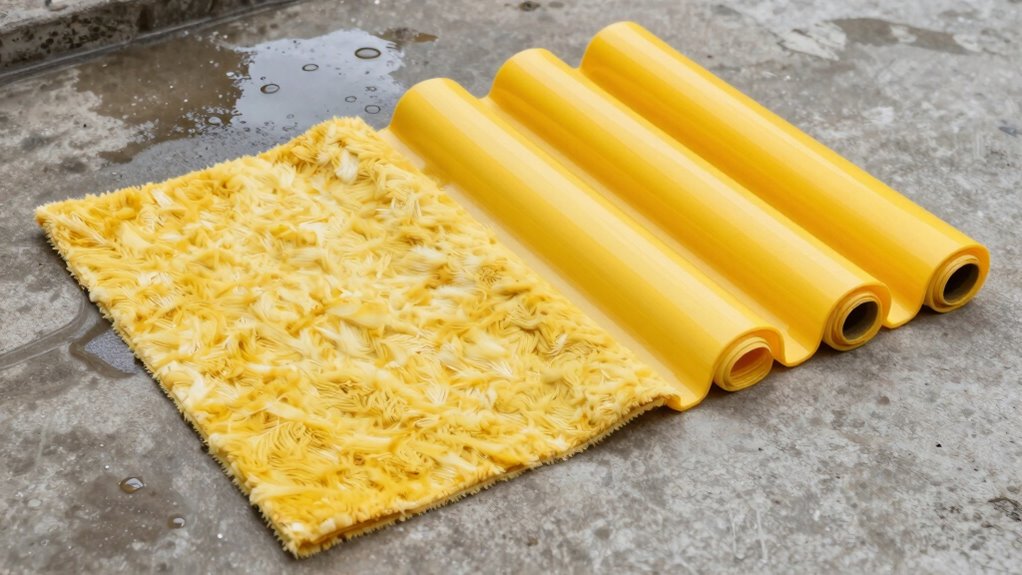
Oil-only spill kits are designed specifically to absorb oil and hydrocarbons, but they’re not meant to handle water or other fluids. These kits won’t effectively absorb water, which means using them on water contamination can lead to spill spread and increased environmental impact. They are crafted with materials that repel water while soaking up oil, so water will usually separate and remain on the surface. Here’s a quick comparison:
| Fluid Type | Absorption Capability | Material Properties |
|---|---|---|
| Oil | High | Hydrophobic, oleophilic |
| Water | Low or none | Hydrophilic, repelled by oil-specific mats |
| Other Fluids | Variable | Usually not designed for chemicals |
| Oil & Water | Not suitable | Separation unlikely |
| Heavy Liquids | Limited | May not absorb effectively |
Use oil-only spill kits for oil spills only, to avoid worsening water contamination and environmental impact.
When Should You Use Oil-Only Spill Kits?
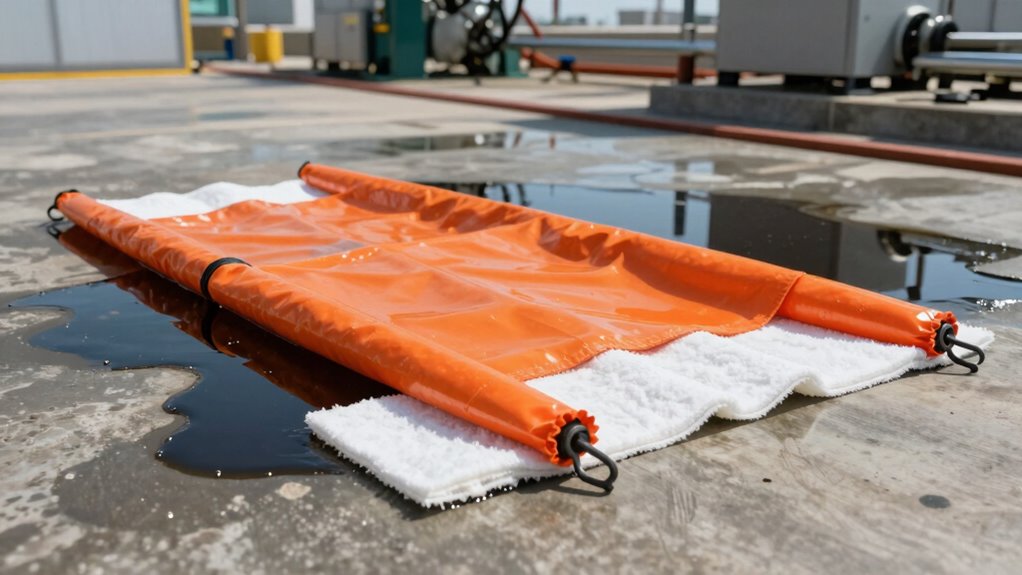
Ever found yourself dealing with an oil spill or leak? Use oil-only spill kits when the spill involves petroleum products on water or near sensitive environments. They’re ideal when environmental regulations require specialized containment to prevent water contamination. Consider using them if:
Use oil-only spill kits for petroleum spills on water or sensitive environments to ensure compliance and environmental safety.
- The spill occurs on water surfaces or wet surfaces.
- You need to protect environmental zones from oil contamination.
- Spill prevention strategies prioritize quick, targeted response.
- The oil is limited to the surface, avoiding absorption of water or other fluids.
These kits help you comply with environmental regulations and minimize environmental impact. Use them promptly during spills to prevent costly penalties and environmental damage. Understanding when to deploy oil-only spill kits ensures effective spill management and supports sustainable spill prevention strategies.
Limitations and Tips for Using Oil-Only Spill Kits Effectively
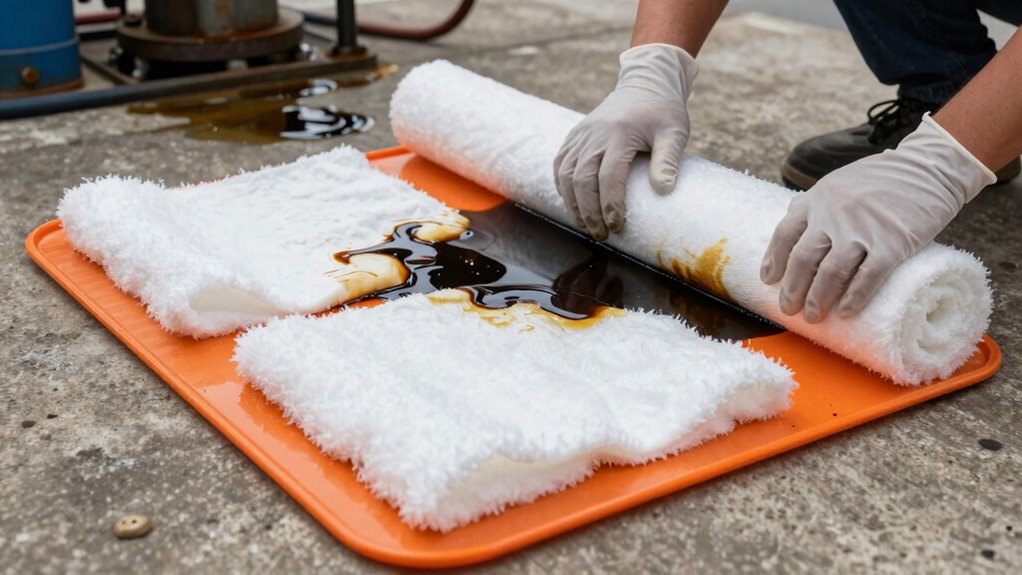
While oil-only spill kits are effective for specific situations, they come with certain limitations you should keep in mind. These kits are designed to absorb hydrocarbons on water or land but won’t handle water-based or chemical spills. Proper spill kit maintenance is vital to verify materials remain effective; replace saturated or damaged pads promptly. Additionally, always follow environmental regulations when using and disposing of spill kit contents to prevent penalties and environmental harm. Keep your spill kit accessible and regularly check its supplies so you’re prepared for emergencies. Remember, these kits are not a substitute for exhaustive spill response plans. Using them correctly and understanding their limitations will help you respond quickly and minimize environmental impact.
How to Choose the Right Oil-Only Spill Kit for Your Needs
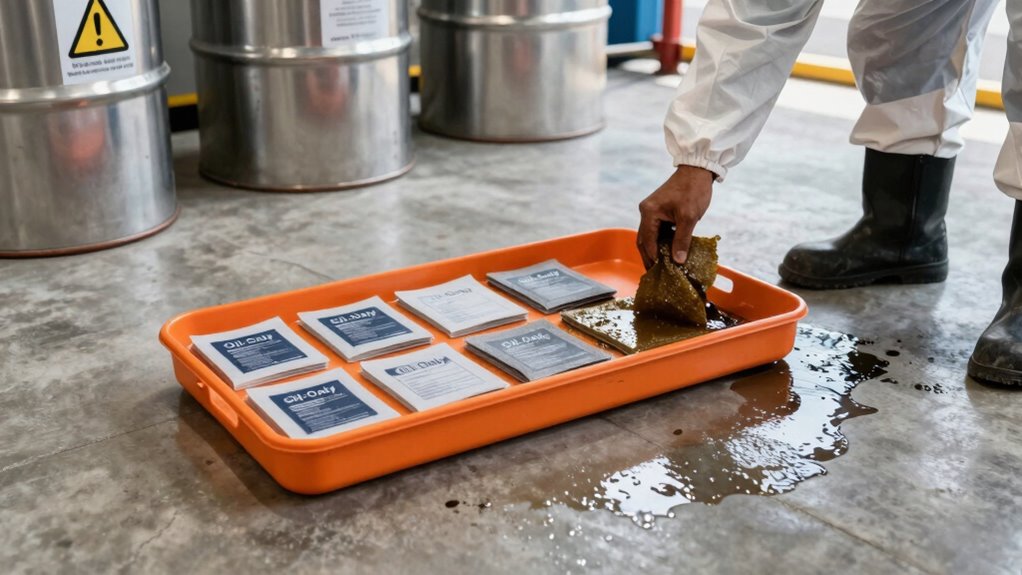
Choosing the right oil-only spill kit depends on understanding your specific needs and the environment where you’ll use it. First, assess the types of oil and chemicals you handle to ensure chemical compatibility with your chosen kit. Next, consider storage considerations—select a kit that fits your space and is easy to access during emergencies.
To make an informed decision, focus on these factors:
- Compatibility with the types of oil and chemicals in your environment
- Size and capacity to handle potential spill volumes
- Ease of use and portability for quick response
- Storage requirements to keep the kit safe and readily available
Frequently Asked Questions
Are Oil-Only Spill Kits Reusable or Disposable?
Oil-only spill kits are generally disposable due to their absorbent material’s limited lifespan. However, some components can be reused if they’re properly cleaned and maintained, enhancing oil-only sustainability. You should check the absorbent lifespan and manufacturer guidelines, as reusing absorbents too many times can reduce effectiveness. For best results, use disposable kits for large spills and consider reusable options when cleaning smaller, controlled leaks to balance safety and sustainability.
How Long Do Oil-Only Absorbents Typically Last?
Oil-only absorbents usually last until they’re saturated, which depends on the spill size and absorbent type. Typically, their lifespan ranges from a few hours to several days of continuous use. To maximize their lifespan, follow proper maintenance tips like storing them in a dry, clean area and replacing saturated materials promptly. Regular inspection helps you determine when to replace the absorbents, ensuring effective spill response and safety.
Can Oil-Only Spill Kits Be Used on Large Spills?
Yes, oil-only spill kits can be used for large spill response, but their effectiveness depends on the spill size. For extensive spills, you’ll need multiple kits or specialized equipment to contain and clean up efficiently. Using oil-only absorbents helps minimize environmental impact by targeting oil specifically, preventing further contamination. Always evaluate the spill size and select the right resources to ensure a timely, safe, and environmentally responsible cleanup.
What Certifications Should Oil-Only Absorbents Have?
You should look for oil-only absorbents with proper oil-only certification, ensuring they meet recognized absorbent standards. These certifications verify the absorbent’s ability to selectively absorb oil while repelling water, making them ideal for spill response. When choosing products, confirm they comply with industry standards like ASTM or EN, and check for labels indicating oil-only certification. This guarantees you get reliable, effective spill containment that meets safety and environmental regulations.
How Do I Dispose of Used Oil-Only Absorbent Materials?
You should dispose of used oil-only absorbent materials as hazardous waste, following local regulations to guarantee environmental impact. Place the used absorbents in approved, labeled containers and coordinate with certified waste disposal services. Proper disposal ensures compliance with environmental regulations, preventing pollution and protecting ecosystems. Always check your jurisdiction’s specific rules, as improper disposal can lead to legal penalties and environmental harm.
Conclusion
Think of oil-only spill kits as your trusty lighthouse, guiding you safely through stormy waters filled with oil. They’re specially designed to pick up oil while letting water pass by, like a vigilant lighthouse shining through fog. By choosing the right kit, you’re steering clear of hazards and keeping your environment safe. When used correctly, these kits become your dependable beacon, helping you navigate spill response with confidence and ease.
Fall Picks
fall essentials
As an affiliate, we earn on qualifying purchases.